
Malaysian Journalist Arrest Sparks Alarm Over Press Freedom and Legal Overreach
April 3, 2026
Arrest in Shan Dahar Case Revives Long-Stalled Quest for Justice
April 4, 2026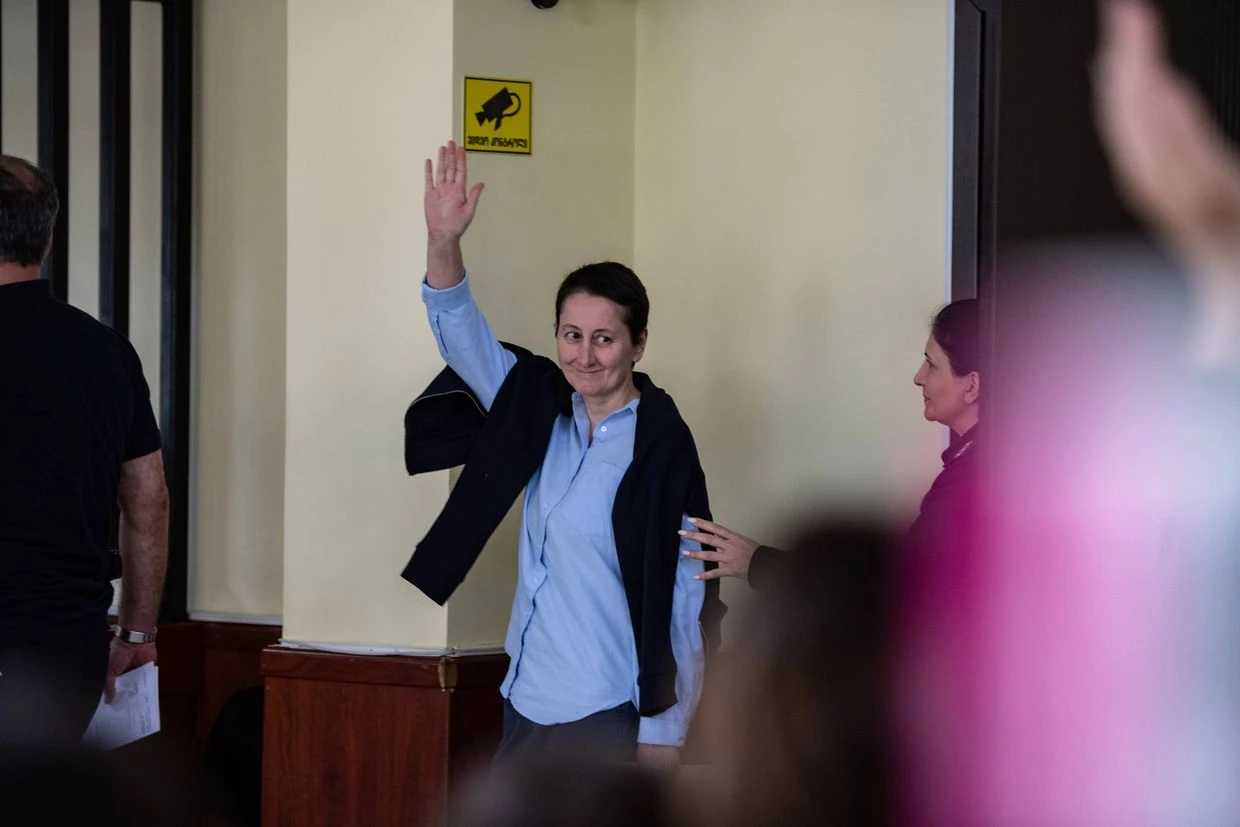
April 03, 2026 – Georgia –
Georgia’s State Council has rejected a petition for the early release of journalist Mzia Amaghlobeli, a decision that has drawn concern from press freedom advocates and underscored ongoing tensions between authorities and independent media figures in the country.
Amaghlobeli, an editor at the independent news outlet Media Post, has been serving a prison sentence imposed in connection with defamation and alleged “insulting behaviour” toward a government official—charges critics have widely characterized as politically motivated and inconsistent with international standards for free expression. The State Council’s decision to deny her early release means Amaghlobeli will continue serving the remainder of her sentence, a development that has renewed alarm among local and international rights groups.
The petition for early release was filed by Amaghlobeli’s legal team on humanitarian grounds, citing her health challenges and arguing that continued detention serves little public interest. In its ruling, the State Council did not grant the request, though it offered limited detail on its reasoning. Legal observers said the decision is likely to intensify debate over the use of criminal law to regulate journalistic expression in Georgia.
Amaghlobeli was convicted in late 2025 after writing articles and social media commentary that were perceived by prosecutors as defamatory toward a senior state official. She was initially charged under the country’s criminal code provisions related to insults and reputational harm, laws that domestic critics and international watchdogs have long argued are incompatible with modern norms of press freedom and free speech. Defamation cases against journalists in Georgia have frequently drawn scrutiny, particularly when they involve coverage of public officials or politically sensitive matters.
Rights groups responded swiftly to the council’s ruling. Article 19, an international freedom of expression organization, called the denial “deeply troubling” and said it reflects a growing pattern of judicial actions that hinder media independence. Local journalist associations also issued statements urging Georgian authorities to reconsider their approach and to bring national law into alignment with international standards that protect journalists from criminal sanctions in the course of their work.
Amaghlobeli’s case has become emblematic of broader concerns about press freedom in Georgia, which has seen several high‑profile legal actions involving journalists and media outlets in recent years. Critics argue that the use of criminal defamation and related statutes against reporters discourages robust investigative reporting and deters critical coverage of public officials.
For Amaghlobeli and her supporters, the State Council’s decision represents a significant setback. The journalist is expected to continue pursuing legal avenues to challenge her detention, even as advocates intensify calls for reform of laws that criminalize speech and threaten media pluralism in the country.
The ruling adds to a broader narrative about shrinking protections for journalists in parts of Eastern Europe and the Caucasus, where concerns about media independence and legal harassment of reporters have drawn increased international scrutiny. Amaghlobeli’s continued imprisonment underscores the high stakes for journalists challenging powerful interests in restrictive legal environments.
Reference –
https://oc-media.org/georgian-state-council-rejects-early-release-for-journalist-mzia-amaghlobeli/