
London University Honors Shireen Abu Akleh with Named Lecture Theatre
March 27, 2026
Hungary Charges Investigative Journalist Szabolcs Panyi Ahead of Election
March 28, 2026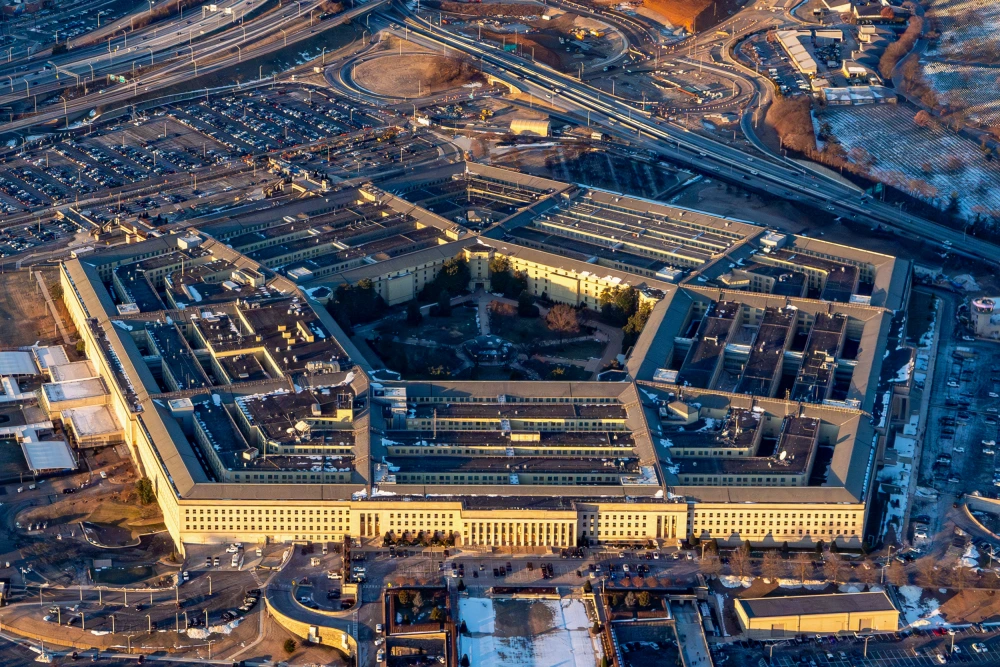
March 27, 2026 – USA –
The Pentagon has moved to further restrict journalists’ access to its headquarters after losing a major court battle over media credentialing rules, escalating a confrontation that press freedom advocates say could undermine independent reporting on one of the most powerful institutions in the United States.
The dispute stems from a federal court ruling that struck down parts of a Pentagon policy introduced in October 2025, which had required journalists to sign an agreement limiting how they could handle information obtained while reporting inside the building. Reporters who refused to accept the terms lost their credentials and access, prompting legal challenges from major news organizations, including The New York Times. U.S. District Judge Paul Friedman ruled that the policy violated constitutional protections and ordered the restoration of access for affected journalists.
Rather than fully reopening the reporting environment that existed before the case, the Defense Department announced a revised policy that still imposes significant new barriers. Under the new rules, journalists must now be escorted by authorized Pentagon personnel while inside the building, and the long-standing “Correspondents’ Corridor,” a dedicated workspace for reporters inside the Pentagon, is being shut down. Officials said a replacement media workspace would be created in an annex outside the main building, but still on Pentagon grounds.
The Pentagon has argued that the changes are necessary to address security concerns after the court ruling removed provisions it said were important for screening credentialed reporters. Critics, however, say the revised measures preserve the core effect of the earlier restrictions by making it harder for journalists to move freely, build sources, and gather information in real time. The Pentagon Press Association and National Press Club both condemned the decision, warning that it limits transparency at a time when public scrutiny of military decision-making is especially important.
The standoff has become a broader test of press freedom and government accountability in Washington. While the court ruling was seen as a significant victory for journalists, the Pentagon’s response suggests the legal and institutional battle over access is far from over. For reporters covering national security and war policy, the issue is no longer just about office space, but about whether the government can make meaningful journalism harder through administrative control of access.
Reference –
https://www.nytimes.com/2026/03/23/business/media/pentagon-closes-journalists-work-area.html