
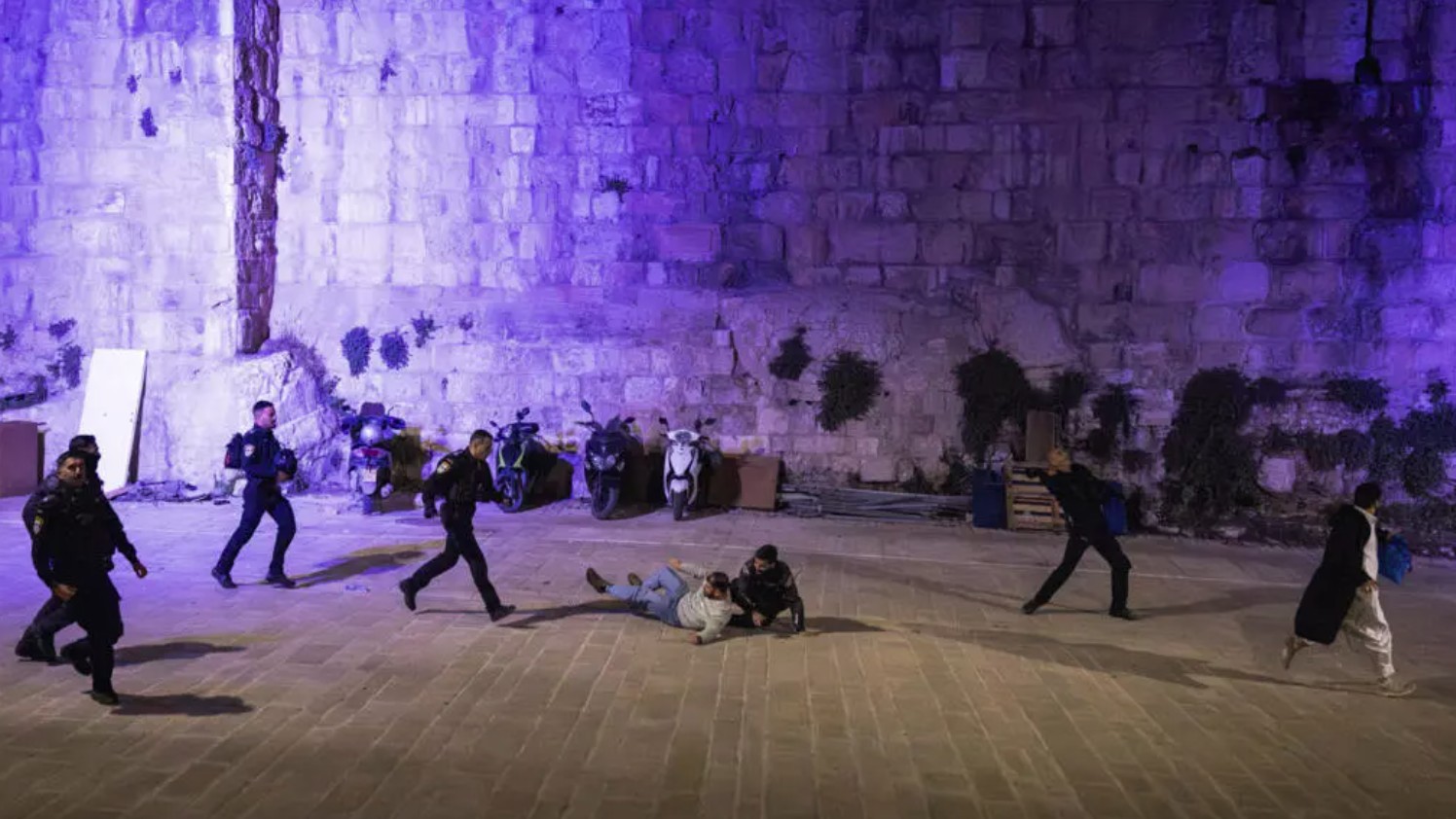
Foreign Press Condemns Israeli Police After Journalist Injured During Coverage
March 18, 2026
Gamblers Threaten Israeli Journalist Over War Report Linked to Online Bets
March 18, 2026
March 18, 2026 – Syria –
A detailed report by Reporters Without Borders (RSF) has revealed the extent of the surveillance system used by Bashar al-Assad’s regime to monitor, control, and suppress journalists inside Syria, describing a deeply entrenched apparatus designed to eliminate independent reporting and enforce strict state narratives.
According to the investigation, the Syrian government built an extensive intelligence network that infiltrated media institutions and tracked journalists’ activities at nearly every level. Reporters were subjected to constant monitoring, including surveillance of their communications, movements, and even personal interactions. Informants were embedded within newsrooms, creating an environment where colleagues could report on one another, fostering fear and mistrust among media workers.
The report highlights how journalists operated under the threat of severe punishment for any deviation from official messaging. Even minor perceived infractions, such as questioning narratives or engaging with dissenting views, could result in detention, interrogation, or torture. In many cases, journalists were compelled to produce content aligned with state propaganda, effectively turning media outlets into extensions of the regime’s messaging apparatus.
RSF also underscores the technological dimension of this control system. Authorities reportedly monitored social media activity and digital communications, using cyber tools and intelligence units to identify and target journalists suspected of opposition sympathies. This digital surveillance complemented traditional methods, including arbitrary arrests and coercive interrogations, reinforcing a system where self-censorship became essential for survival.
The broader impact of this system has been the near-total suppression of independent journalism within Syria during the years of conflict. Many journalists were forced into exile, while others were detained, disappeared, or killed. The environment made it nearly impossible for foreign correspondents to operate freely, leaving much of the reporting to citizen journalists working under extreme risk.
RSF’s findings illustrate how the Assad regime’s surveillance machine functioned not only as a tool of information control but also as a mechanism of intimidation and punishment. By tightly controlling the flow of information and targeting those who attempted to report independently, the system effectively reshaped the country’s media landscape.
The report concludes that dismantling such structures and ensuring accountability will be critical for any future effort to rebuild a free and independent press in Syria, after years of systemic repression and fear-driven control.
Reference –
https://rsf.org/en/assad-s-war-journalists-inside-syria-s-surveillance-machine