Reporting in Exile as War Forces Lebanese Journalists from Their Homes
March 19, 2026
Nashville Journalist Released After ICE Detention Sparks Press Freedom Concerns
March 20, 2026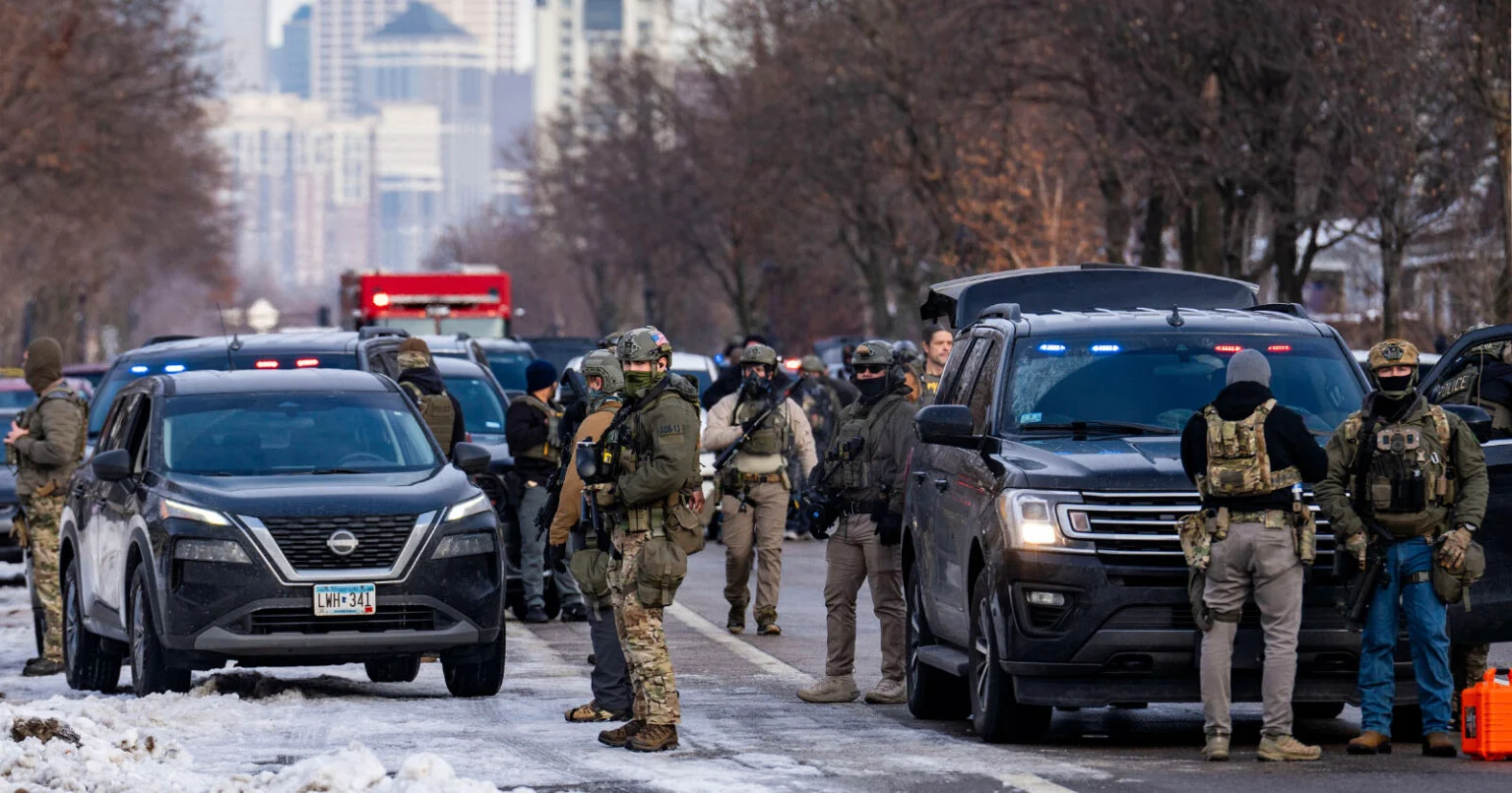
March 20, 2026 – USA –
A U.S. photojournalist has filed a lawsuit against the Federal Aviation Administration (FAA), challenging restrictions that limit drone flights near Department of Homeland Security (DHS) operations, arguing the rules significantly hinder newsgathering and are effectively impossible to comply with.
The case centers on FAA-imposed Temporary Flight Restrictions (TFRs), which prohibit drone use over or near certain federal activities, including immigration enforcement operations. According to the complaint, these restrictions have increasingly been used during DHS-related actions, particularly in areas where journalists seek to document public interest events such as immigration raids and protests.
The photojournalist argues that the rules are overly broad and lack clarity, making it difficult for reporters to determine where drone use is permitted. As a result, journalists risk violating federal regulations even when attempting to operate lawfully. The lawsuit claims that this uncertainty creates a chilling effect on press freedom, discouraging the use of drones as a reporting tool despite their growing importance in modern journalism.
Drone footage has become a critical method for documenting large-scale events, offering perspectives that are otherwise inaccessible from the ground. In situations involving restricted access or safety concerns, aerial imagery can provide essential visual evidence. The plaintiff contends that by restricting drone use around DHS assets, authorities are limiting the ability of journalists to independently verify and report on government actions.
The legal challenge also raises constitutional concerns, particularly regarding the First Amendment. The journalist’s legal team argues that the FAA’s enforcement of these restrictions disproportionately affects members of the press and interferes with the public’s right to receive information. They maintain that the rules grant excessive discretion to federal authorities, enabling them to shield operations from scrutiny.
The FAA and DHS have defended such restrictions as necessary for security and operational safety, particularly during sensitive law enforcement activities. However, critics argue that the expanding use of no-fly zones risks setting a precedent that could further restrict media coverage of government actions.
The outcome of the case could have significant implications for press freedom and the use of emerging technologies in journalism. As drones become increasingly central to reporting, the balance between national security and the public’s right to information remains at the heart of this legal dispute.
Reference –