
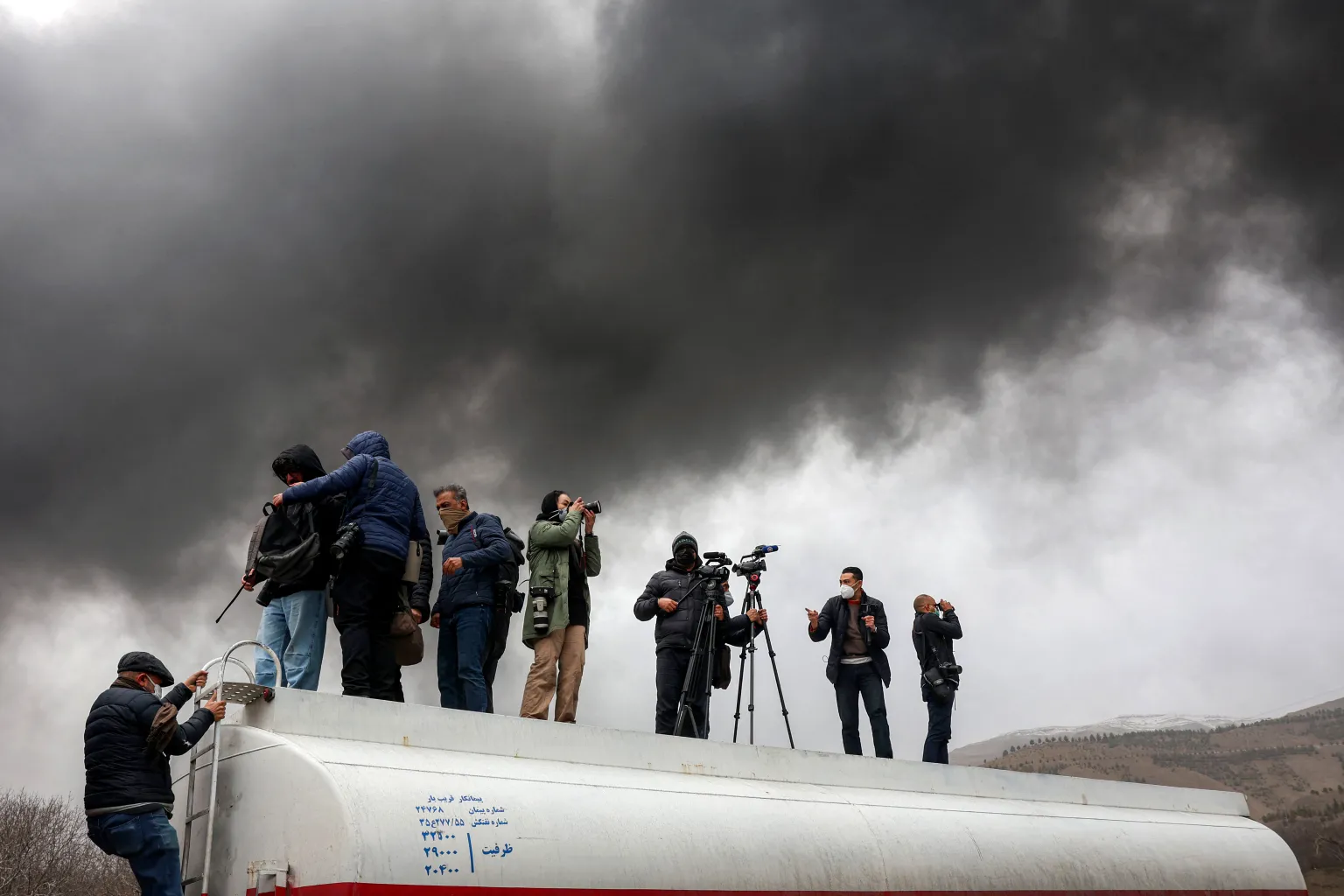
Press Freedom Violations in the Middle East During the Iran War
March 12, 2026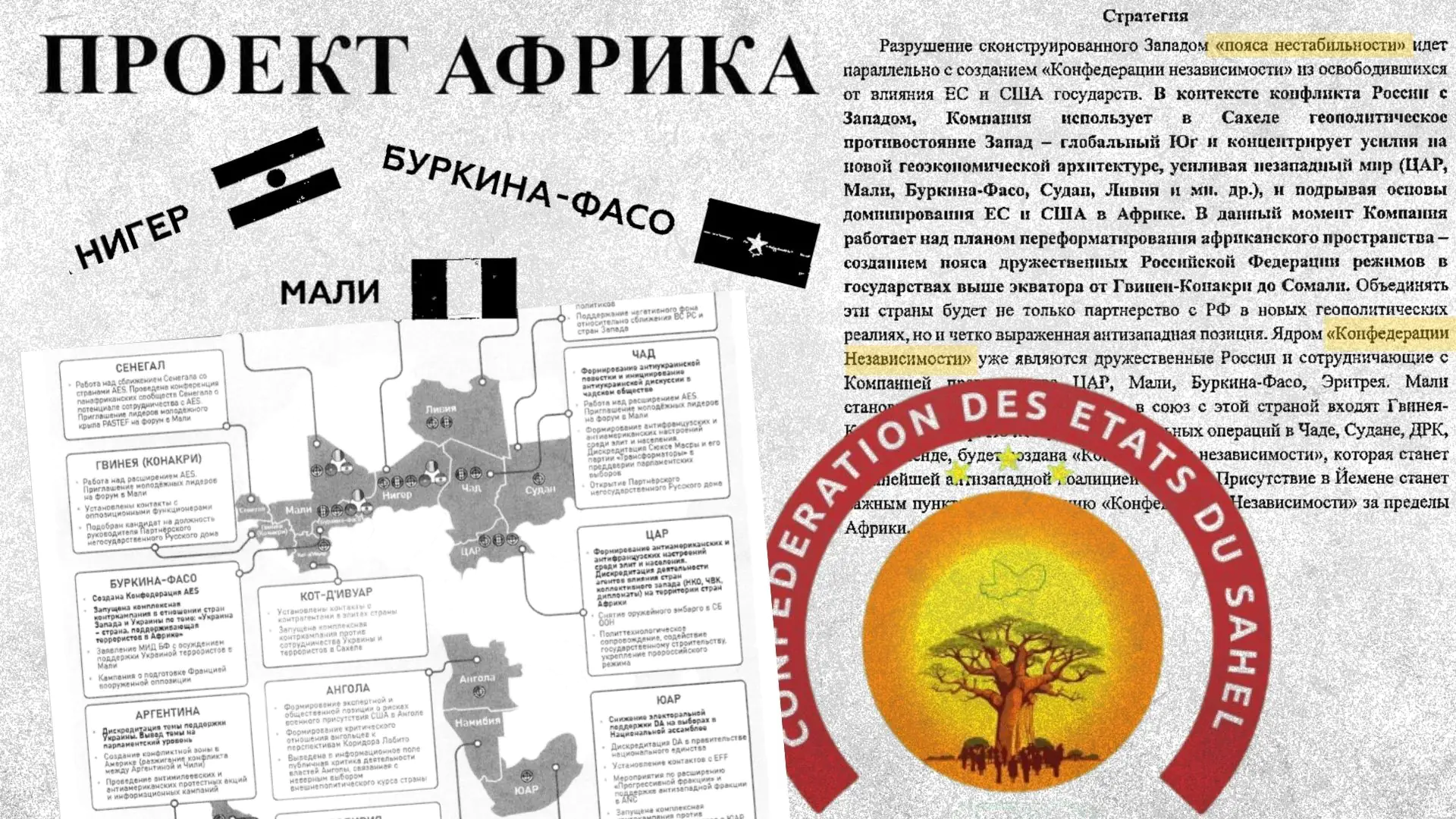
Russian Influence Networks in the Sahel and the New Frontline Against Journalism
March 29, 2026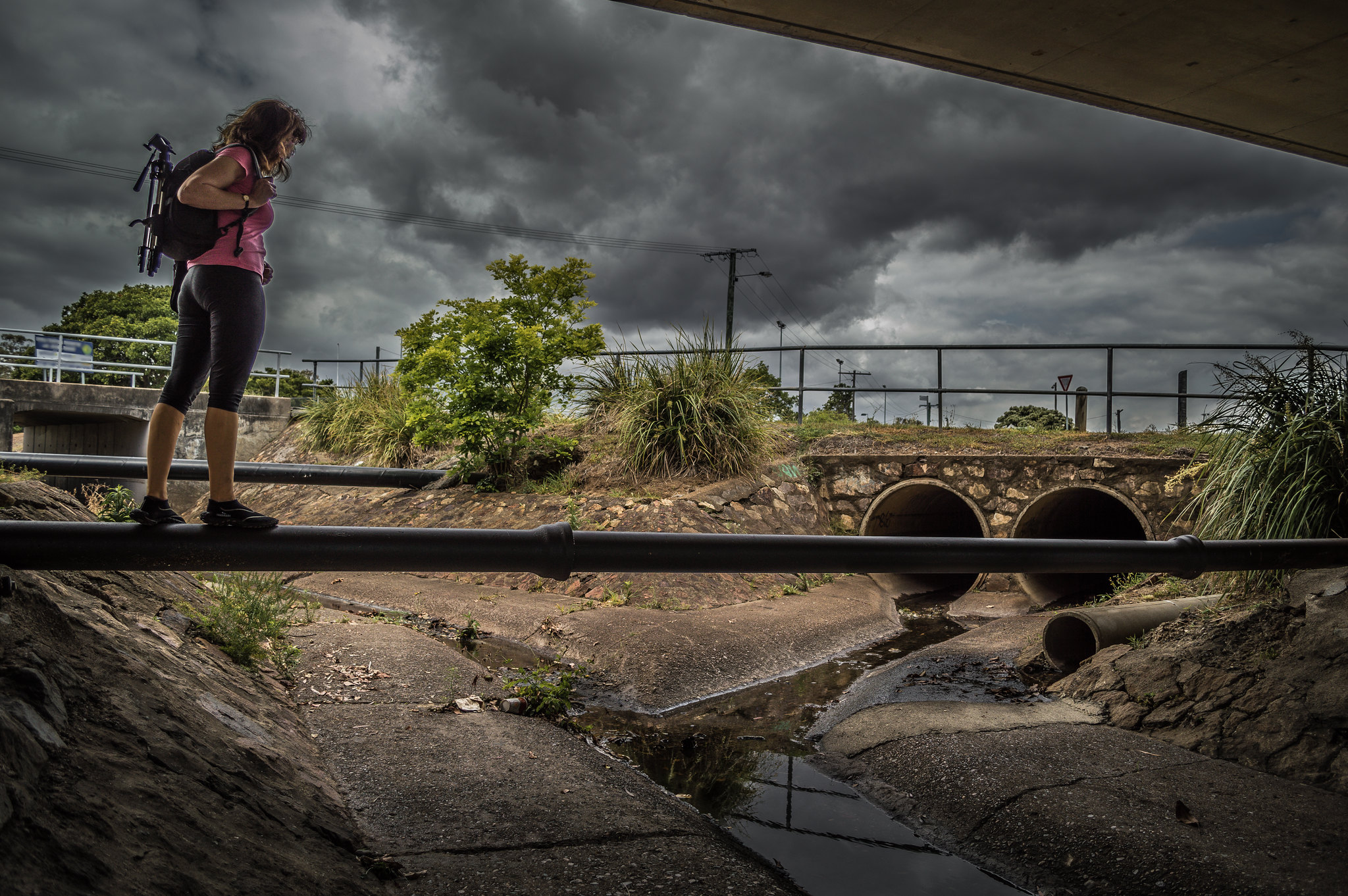
Environmental journalism is entering an increasingly challenging period marked by political pressure, economic instability, safety concerns, and technological threats, according to a research-style analysis published by the Society of Environmental Journalists (SEJ). The study examines how reporters covering environmental issues are adapting to growing professional risks while developing strategies to sustain their work.
The report describes environmental journalism as operating in a “perilous era,” where journalists must navigate both traditional reporting hazards and emerging threats linked to political polarization, digital surveillance, and shrinking news resources. In recent years, attacks against environmental journalists—including physical, legal, and online threats—have increased significantly, reflecting heightened tensions around environmental reporting and climate policy debates.
Researchers note that journalists covering environmental topics often work in difficult conditions. Reporters may travel to remote locations to investigate pollution, climate change impacts, or environmental crimes, sometimes encountering hostility from corporations, government officials, or communities affected by environmental disputes. These risks have been compounded by broader global trends affecting journalism, including declining newsroom budgets and the closure of thousands of news outlets.
The study highlights the vulnerability of freelance journalists, who increasingly make up a large portion of environmental reporters. As traditional media organizations reduce staff, many journalists must operate independently, managing funding, contracts, and safety risks without institutional support. Experts involved in the research emphasize that freelancers often face the greatest financial and legal uncertainty in the industry.
To address these challenges, the report outlines several strategies designed to strengthen the sustainability of environmental journalism. These include improving digital security practices, strengthening legal protections for journalists, and building stronger collaborative networks among reporters and media organizations. Digital safety measures, such as secure communication tools and improved device security, are increasingly viewed as essential for protecting journalists and their sources.
Another key recommendation involves developing new funding and business models to support investigative reporting on environmental issues. The study points to nonprofit journalism organizations, philanthropic funding initiatives, and collaborative reporting projects as potential pathways for sustaining coverage of climate and environmental topics.
Researchers also stress the importance of rebuilding trust with audiences in an era of misinformation and declining public confidence in media institutions. Initiatives such as community engagement, cross-platform publishing partnerships, and public listening sessions are among the approaches being tested to reconnect journalists with local communities and expand access to environmental reporting.
The report concludes that collaboration and collective support networks will play a central role in the future of environmental journalism. By strengthening professional communities, sharing resources, and developing new reporting models, journalists may be better equipped to navigate the evolving risks associated with covering environmental crises and climate change.
Reference –
https://www.sej.org/publications/features/environmental-journalists-perilous-era-survival-guide