Israeli Strike Injures RT Journalists in Lebanon, Drawing International Protest
March 19, 2026
Drone Restrictions Spark Legal Battle Over Journalistic Access
March 20, 2026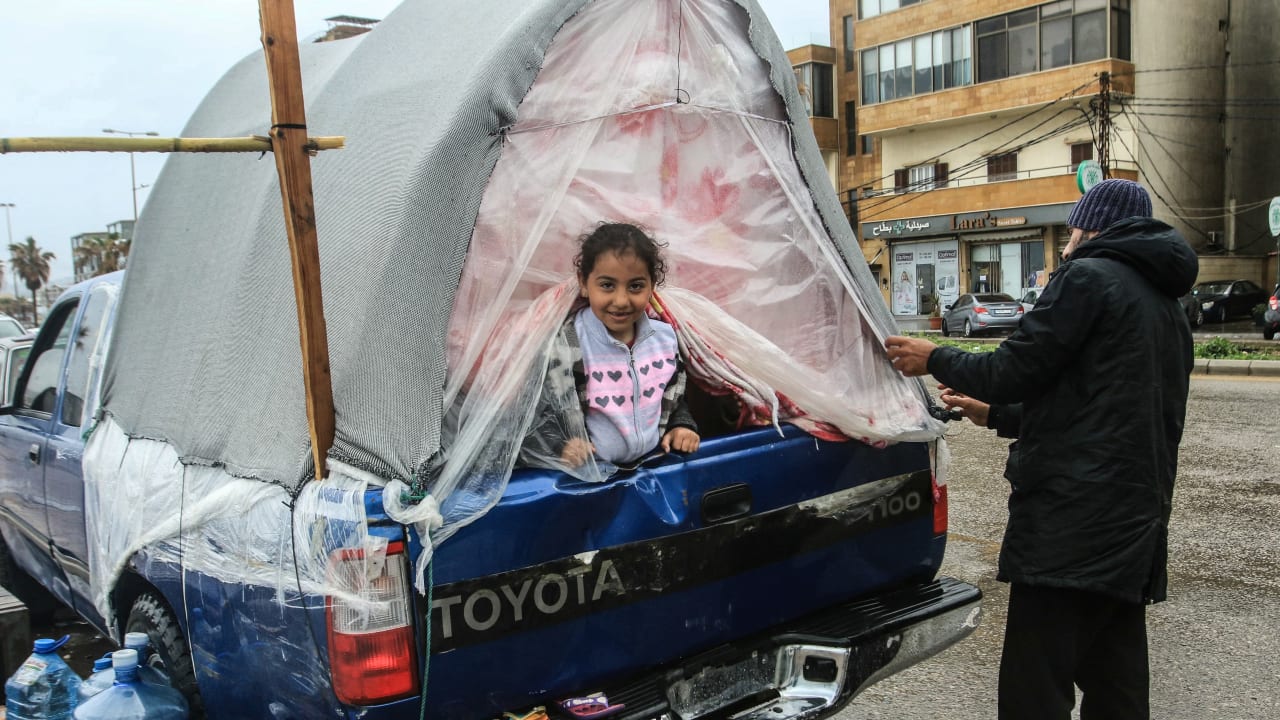
March 19, 2026 – Lebanon –
Lebanese journalists are continuing to document conflict and instability in their country even as many have been displaced by escalating violence, highlighting the growing risks faced by media workers operating in crisis conditions. Recent reporting outlines how journalists who fled their homes due to security threats are now working from unfamiliar or precarious environments while attempting to maintain coverage of unfolding events.
According to accounts from affected reporters, displacement has not halted their professional responsibilities but has instead complicated them. Journalists described being forced to abandon homes in areas affected by airstrikes and hostilities, often relocating with limited resources and unstable internet or communication access. Despite these constraints, many have continued reporting on the conflict, relying on remote tools, phone interviews, and fragmented networks of sources.
The dual burden of personal upheaval and professional duty has placed significant strain on journalists. Several reporters noted that they are covering the same violence that has directly impacted their own lives, creating both emotional and logistical challenges. Some have lost equipment or access to newsrooms, while others face difficulties verifying information due to disrupted infrastructure and restricted movement.
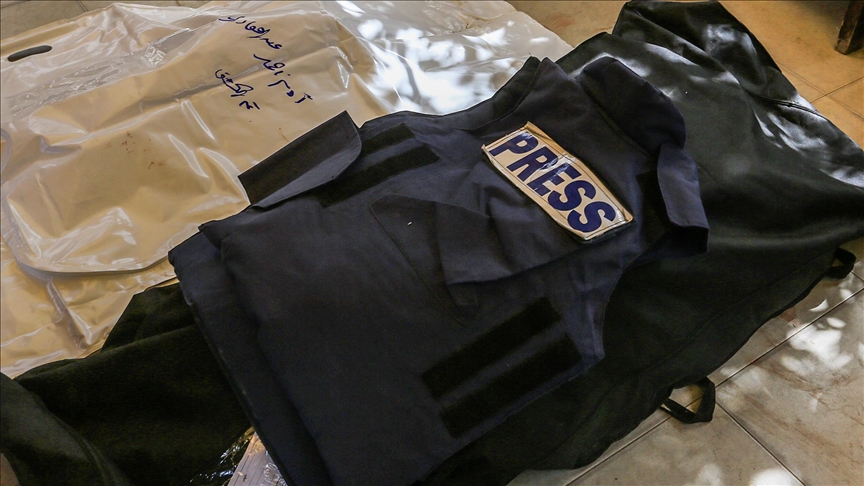
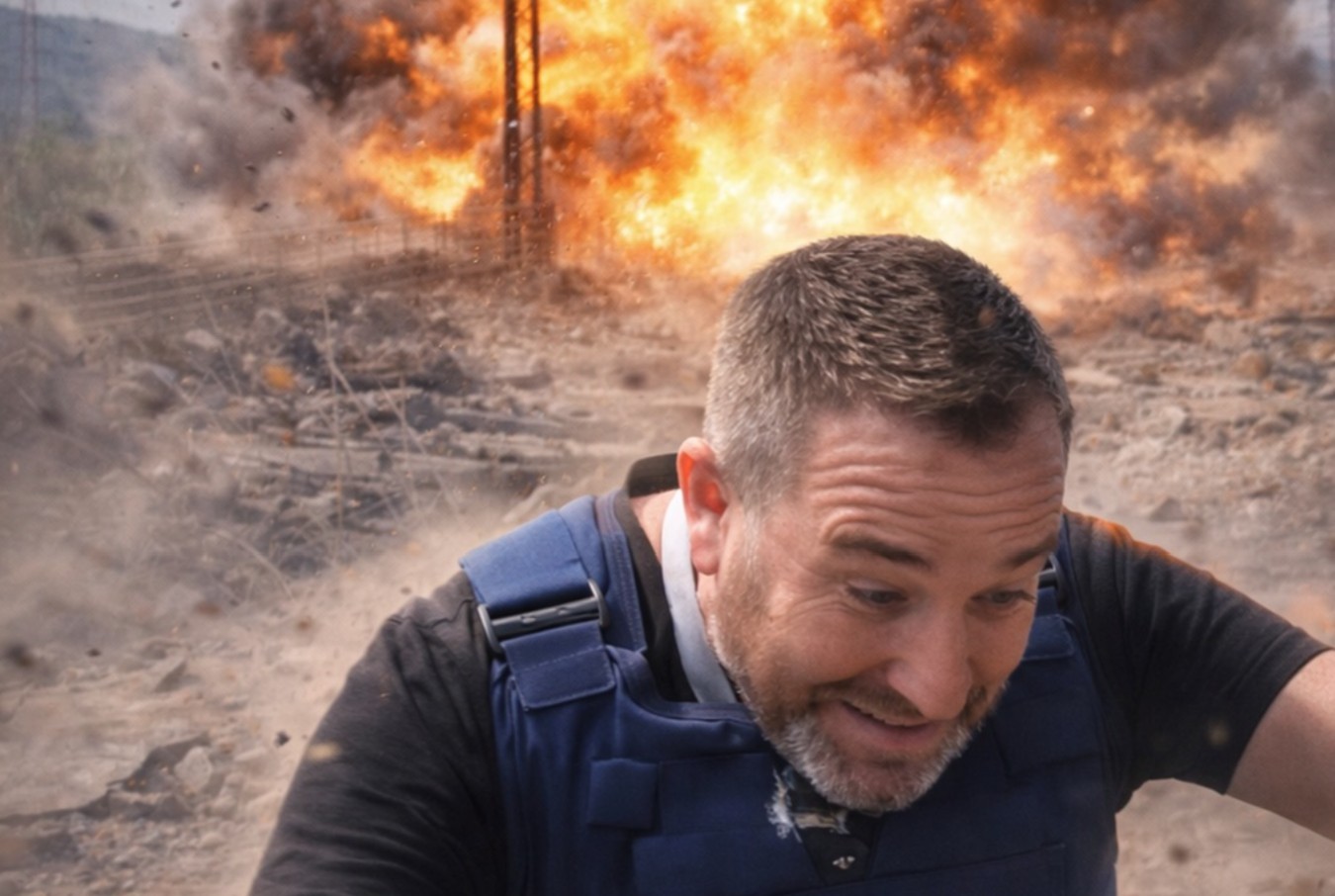
The situation also reflects broader concerns about press freedom and safety in conflict zones. Journalists in Lebanon are navigating an environment where security risks are heightened, including potential targeting, surveillance, and the general dangers associated with war reporting. Displacement further increases vulnerability, as media workers may lack institutional support or protective measures once removed from their usual bases of operation.
In addition, the reports emphasize that the psychological toll of covering war while personally affected by it is considerable. Journalists described feelings of exhaustion, anxiety, and uncertainty about their ability to continue working under such conditions. Nonetheless, many expressed a strong commitment to documenting events on the ground, underscoring the role of journalism in providing visibility during crises.
The broader implication is a media landscape under pressure, where the ability to report freely and safely is increasingly compromised. As conflict continues to disrupt daily life in Lebanon, journalists remain among those most affected, balancing their responsibility to inform the public with the realities of displacement and personal risk.
Reference –
https://www.jpost.com/jerusalem-report/article-890549
‘I’m displaced too’: Lebanese journalists cover war after fleeing home