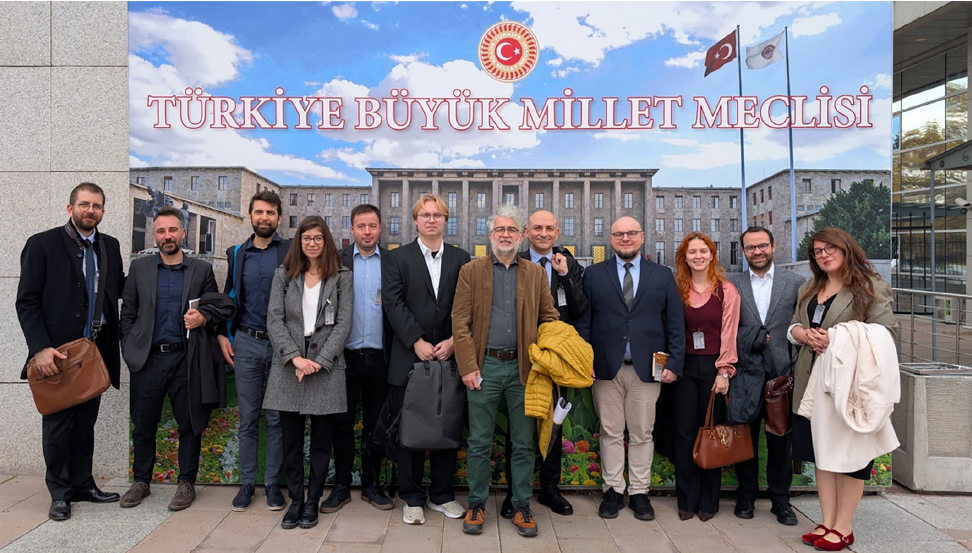
Press Freedom Under Pressure: Findings from the 2025 International Mission to Türkiye
March 11, 2026
Environmental Journalists Navigate Rising Risks in a Changing Media Landscape
March 12, 2026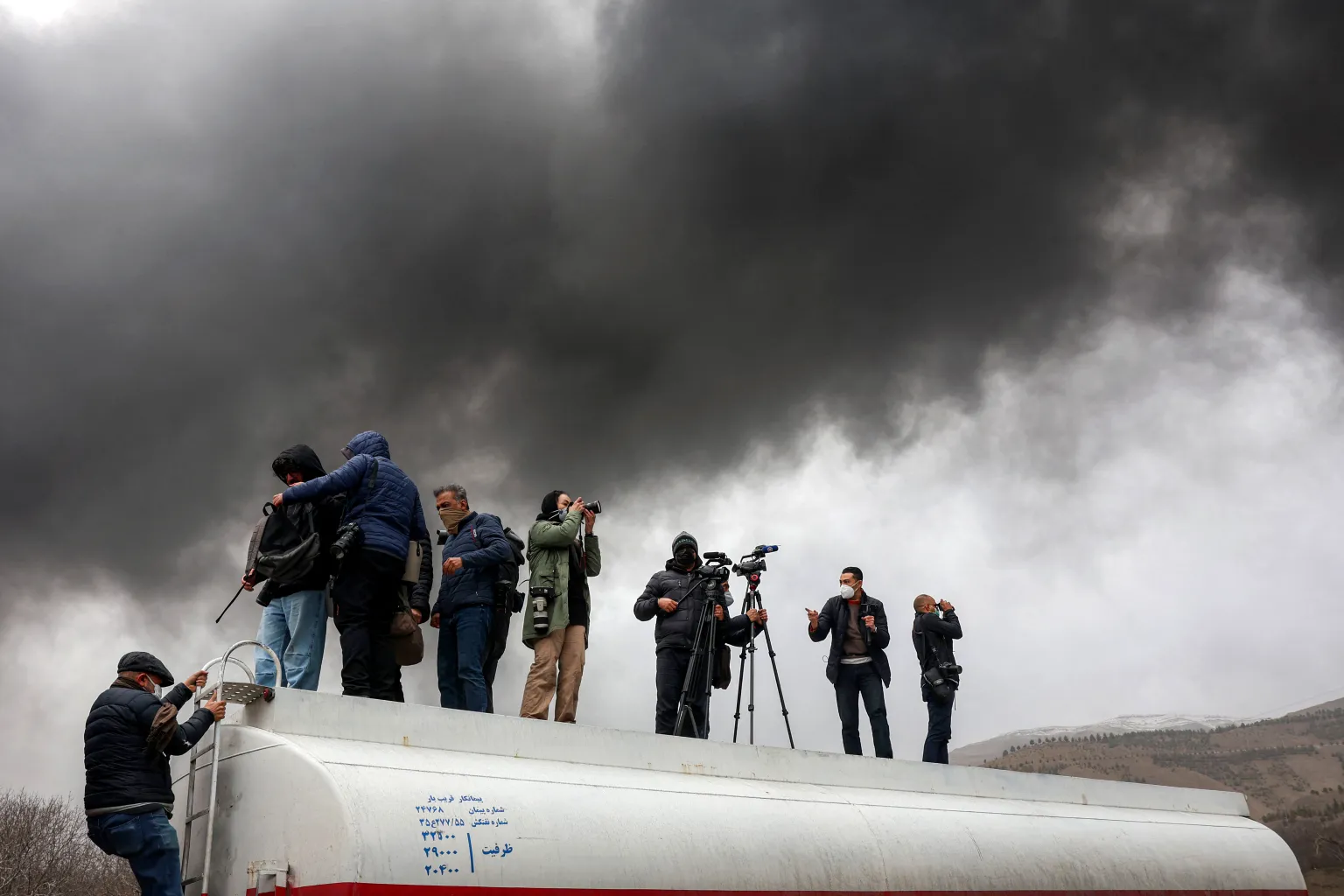
A report by the Committee to Protect Journalists (CPJ) documents a surge of press freedom violations across the Middle East during the recent conflict involving Iran, highlighting censorship, arrests, and restrictions that limited journalists’ ability to report on the war. The study notes that governments across the region imposed new controls on information flows while journalists faced intimidation and physical risks covering military developments.
According to CPJ, authorities in Iran significantly tightened restrictions on media coverage as the conflict intensified. Journalists were warned not to publish commentary about the war on social media, while government bodies established mechanisms to prosecute reporters accused of spreading “false” information. These measures created a climate of fear that discouraged independent reporting and increased the likelihood of self-censorship among journalists working inside the country.
The report also highlights the role of internet disruptions and communication restrictions in limiting access to information. Iranian authorities imposed periods of internet shutdowns and connectivity restrictions that made it difficult for journalists to verify events, communicate with sources, or publish updates in real time. CPJ described such measures as a serious barrier to press freedom because they prevent journalists from documenting developments during crises and isolate the country from international scrutiny.
Press freedom violations were also documented in Israel and the occupied Palestinian territories, where journalists faced censorship orders and obstacles while covering military developments linked to the conflict. Israeli military censors required media outlets and individuals to obtain approval before broadcasting information about the aftermath of Iranian missile and drone attacks on sensitive sites. Such restrictions limited journalists’ ability to independently report on security incidents and their consequences.
In addition, Palestinian journalists working inside Israel reported harassment and accusations that they were “working for the enemy” while covering developments related to the war. Some journalists said they were prevented from accessing reporting locations, subjected to verbal abuse, or faced investigations because they covered the conflict.
CPJ’s analysis indicates that the conflict created a broader regional environment hostile to independent journalism, where governments sought to control narratives about military operations and national security. In such contexts, journalists often encounter legal threats, surveillance, and restrictions on movement that limit their ability to document events on the ground.
The report concludes that protecting press freedom during armed conflict is essential for transparency and public accountability. CPJ urges governments involved in the conflict to respect international protections for journalists, allow independent reporting, and refrain from using censorship or intimidation to suppress coverage of wartime developments.
Reference –
Press freedom violations in the Middle East during the Iran war