Historical Evolution of Journalism in Latin America
March 11, 2026
Press Freedom Violations in the Middle East During the Iran War
March 12, 2026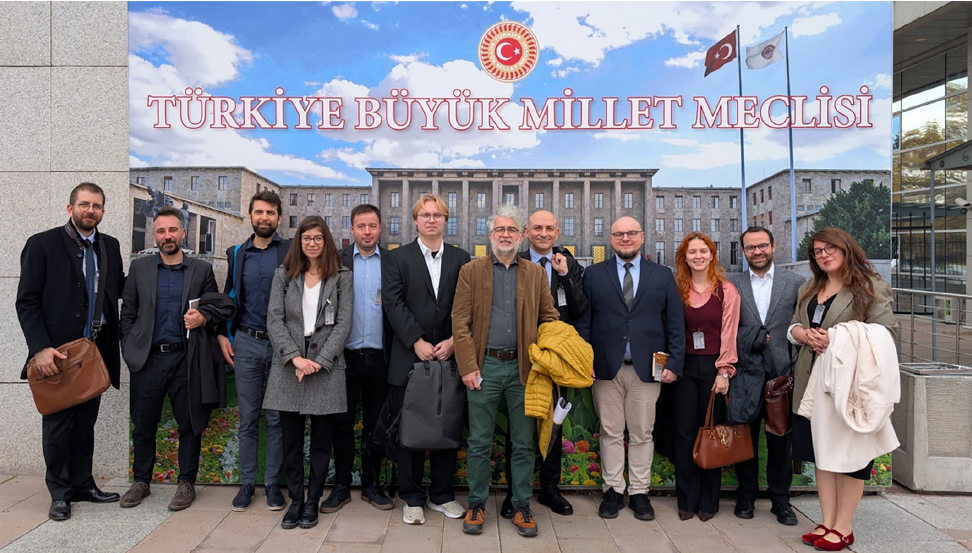
A research report published by ARTICLE 19 and partner press freedom organizations examines the state of journalism in Türkiye following a joint international fact-finding mission conducted in Ankara from 24 to 26 November 2025. The report evaluates legal, political, and structural challenges facing independent media. It concludes that the country’s press environment is experiencing a significant deterioration marked by judicial harassment, regulatory pressure, and censorship.
The mission was organized by the International Press Institute (IPI) as part of the Media Freedom Rapid Response (MFRR) mechanism. It included participation from ARTICLE 19 Europe, Amnesty International, the Committee to Protect Journalists (CPJ), the European Centre for Press and Media Freedom (ECPMF), Reporters Without Borders (RSF), and the South East Europe Media Organisation (SEEMO). Researchers met with journalists, civil society groups, political party representatives, diplomats, and regulatory institutions to assess developments affecting media freedom in the country.
The report identifies judicial harassment and politically motivated prosecutions as one of the most significant threats to journalism in Türkiye. Investigations, criminal trials, and prolonged pre-trial detention have been used against journalists, creating a climate of fear and encouraging self-censorship within newsrooms. Researchers noted that journalists reporting on political protests or corruption allegations were particularly vulnerable to legal action.
Regulatory institutions also play a major role in shaping the media landscape. The report highlights the influence of the Radio and Television Supreme Council (RTÜK) and the Press Advertising Agency, which have imposed fines, broadcast suspensions, and restrictions on advertising revenue that disproportionately affect critical or independent outlets. These mechanisms, the report argues, can place severe financial pressure on media organizations and limit pluralism in the news environment.
Another concern documented in the research is the restriction of digital information flows, including temporary throttling or blocking of social media platforms and messaging services during periods of political tension or major public events. Such actions can significantly hinder journalists’ ability to gather and disseminate information and limit the public’s access to independent news sources.
The report further notes that journalists in Türkiye face physical risks and intimidation, particularly while covering demonstrations or politically sensitive developments. Incidents, including police raids, threats, and assaults, contribute to an increasingly hostile environment for reporters working in the country.
In its conclusions, the mission calls on Turkish authorities to implement reforms that strengthen protections for press freedom, ensure the independence of regulatory institutions, and uphold the Constitutional Court’s rulings on freedom of expression. Researchers emphasize that creating a safe and pluralistic media environment is essential for democratic governance and the protection of fundamental rights in Türkiye.
The study ultimately argues that reversing the decline in media freedom will require sustained institutional reforms and stronger engagement between authorities, journalists, and international organizations to safeguard independent journalism and restore public trust in the country’s media landscape.
Reference –
https://www.article19.org/wp-content/uploads/2026/03/mission-report-turkiye-nov-2025-v3.pdf