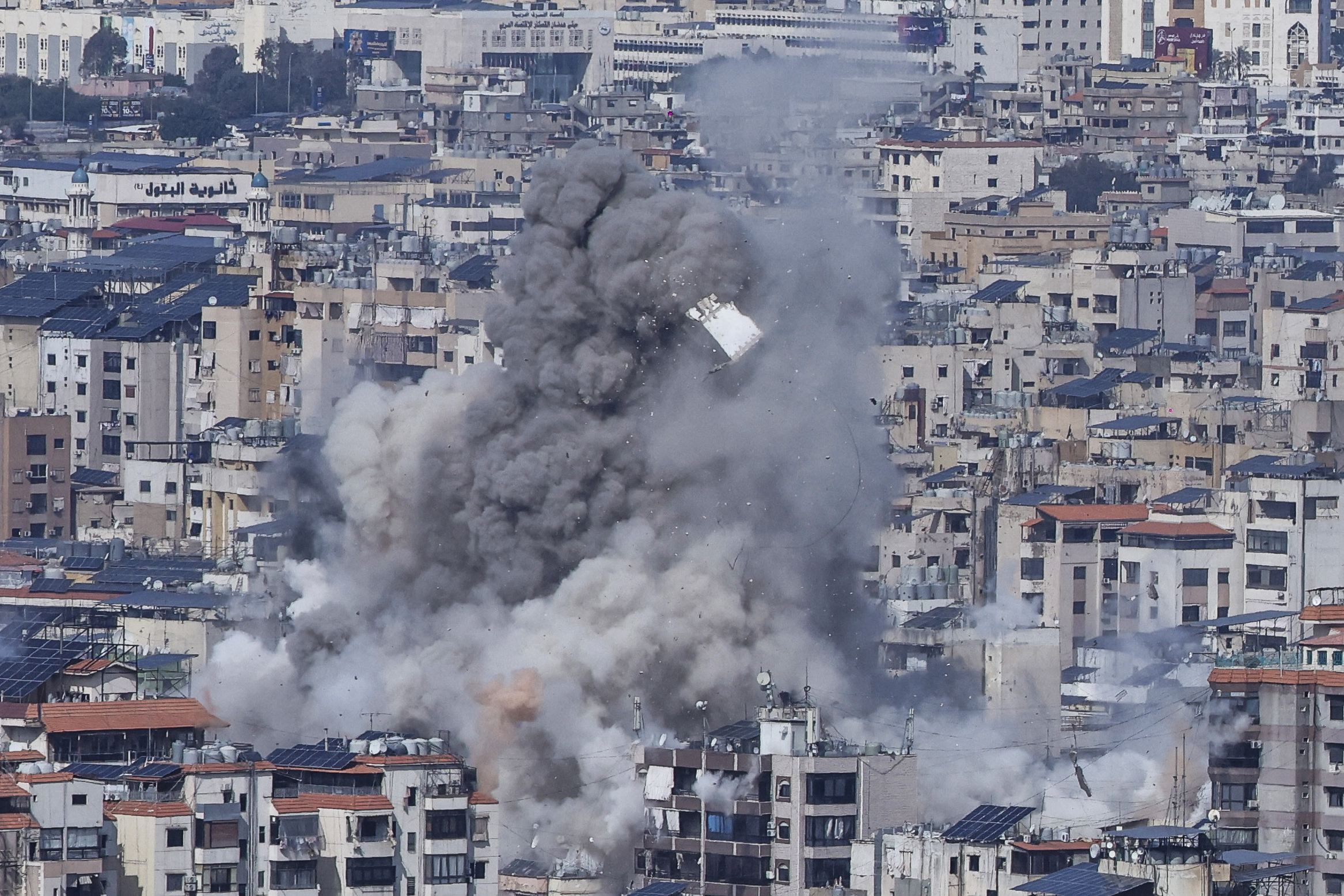
The International Federation of Journalists (IFJ) has released a safety advisory for reporters working in Lebanon following a sharp escalation in hostilities that has placed media workers at significant risk. The guidance was issued in coordination with the Union of Journalists in Lebanon (UJL) after widespread Israeli airstrikes on 2 March 2026, and the collapse of the 2024 ceasefire intensified the dangers faced by journalists covering the conflict.
In its advisory, the IFJ emphasized that the safety of journalists must remain the highest priority, reiterating the principle that “no story is worth a life.” The organization noted that journalists operating in active conflict zones face threats ranging from airstrikes and sniper fire to surveillance and movement restrictions, all of which require careful planning and precaution.
The safety guidance outlines several core areas that journalists should consider before and during field reporting. One of the key recommendations focuses on planning and risk assessment, urging reporters and newsrooms to conduct detailed threat analyses before deployment and to continuously reassess risks as conditions evolve. This includes evaluating possible hazards, understanding the operational environment, and developing contingency plans in case the situation deteriorates.
The advisory also highlights the importance of communication planning, recommending that journalists establish clear check-in schedules with editors or colleagues and maintain emergency contact procedures. Such measures are intended to ensure that assistance can be quickly mobilized if a reporter is injured, detained, or loses contact while working in the field.
Another major focus is equipment preparation. The IFJ encourages journalists to carry protective gear and essential supplies appropriate for conflict reporting, including first-aid kits, communication devices, and survival equipment. Proper preparation, the advisory notes, can significantly reduce risks during unexpected emergencies.
The safety guidelines also address specific wartime threats. These include advice on how to react during airstrikes, maintain safe positions inside buildings, and adopt protective measures while traveling in vehicles or moving through exposed areas. Journalists are also urged to remain alert to signs of sniper activity, ground offensives, or increased military presence, all of which can signal escalating danger.
In addition, the advisory warns journalists about digital and electronic surveillance risks, noting that mobile phones, cameras, and satellite equipment can sometimes reveal a reporter’s location. The IFJ advises journalists to take steps to reduce detectability and avoid unintentionally exposing themselves to targeting or monitoring.
The IFJ stressed that the safety advisory is intended as guidance rather than a substitute for professional training or local knowledge. The organization urged journalists covering the conflict in Lebanon to prioritize personal safety and remain cautious while documenting developments on the ground.
Reference –
https://www.ifj.org/media-centre/news/detail/article/lebanon-ifj-safety-guildelines-for-journalists