
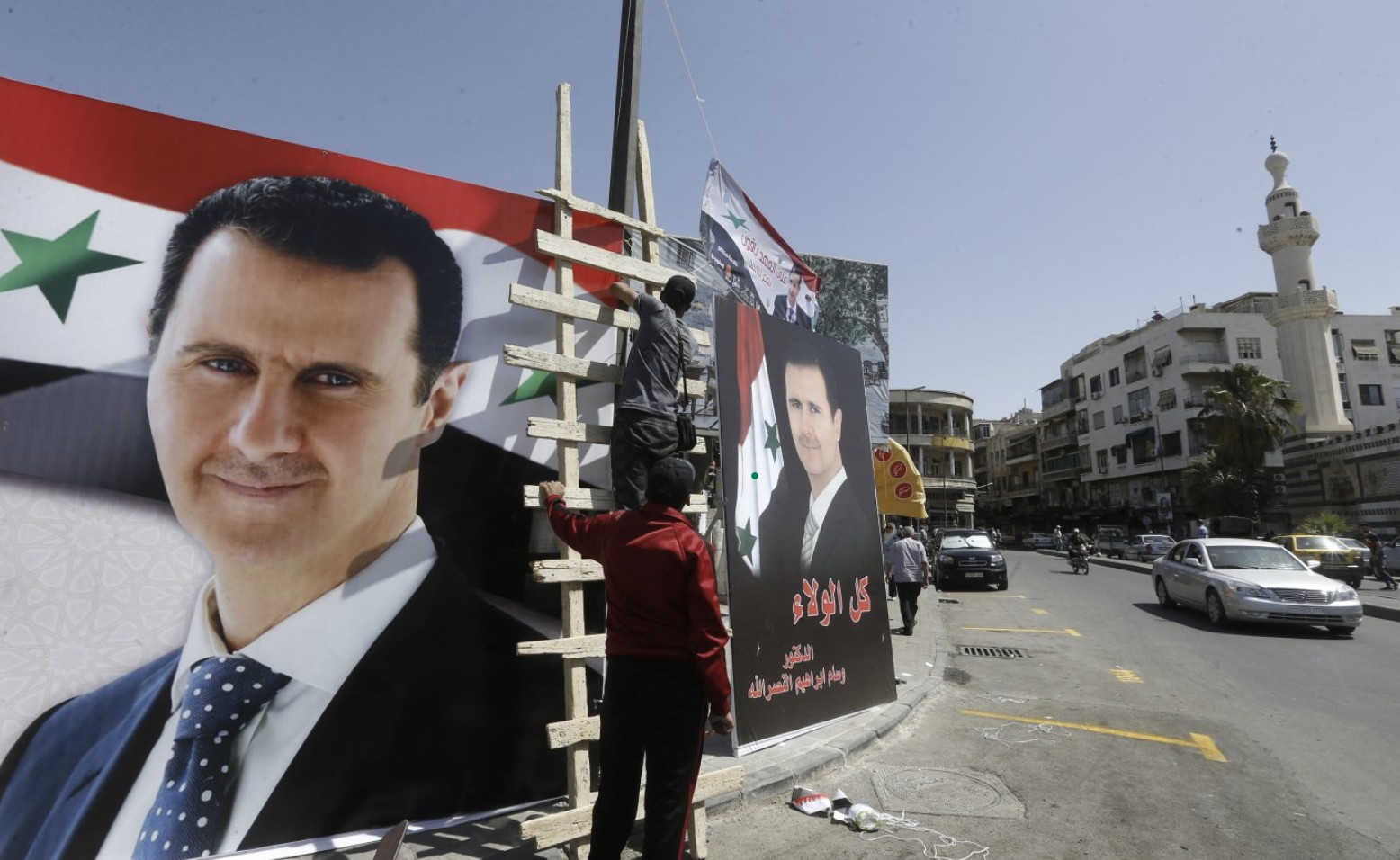
Exiled Syrian Journalists Weigh Risks and Roles in Returning Home
March 2, 2026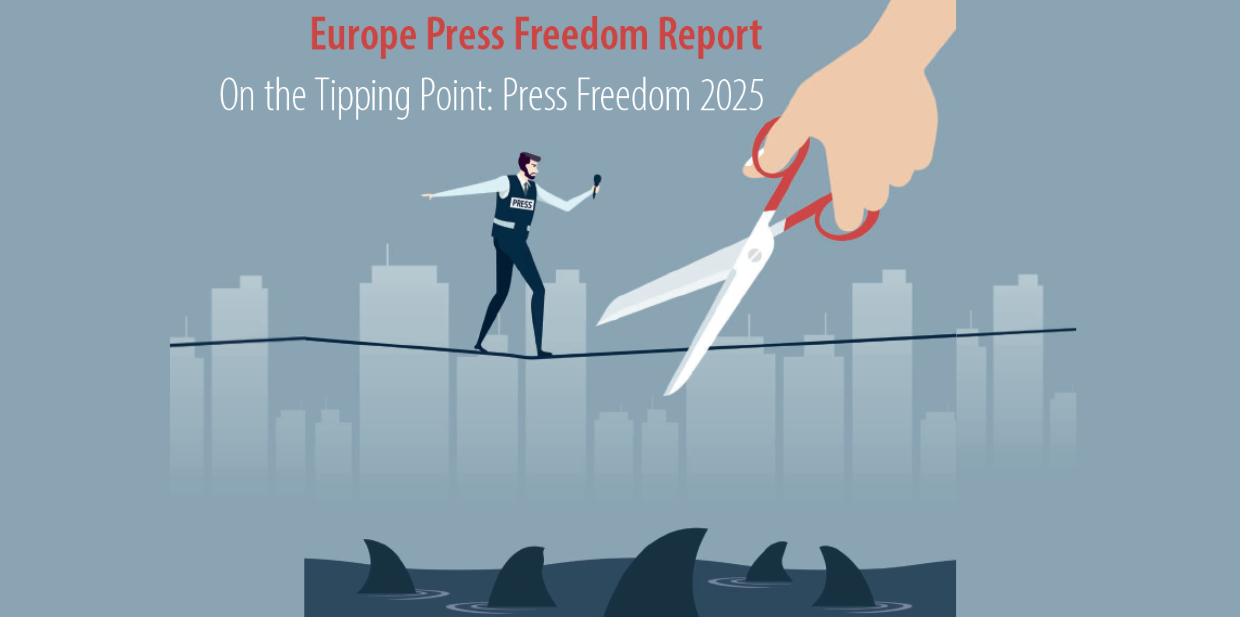
IPI Report Warns of Growing Hostility Toward Journalism Across Europe
March 4, 2026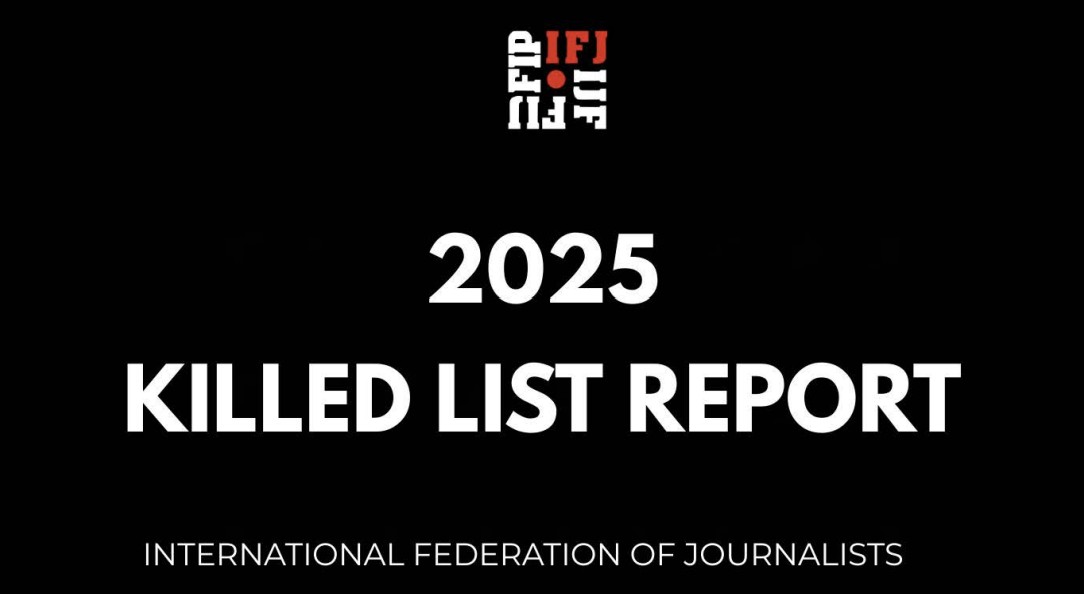
The International Federation of Journalists (IFJ) “Killed List 2025” research report offers a comprehensive and systematic account of journalists and media workers killed worldwide in 2025, underscoring the severe risks faced by the profession and the ongoing failure of authorities to protect those reporting on conflict, crime, and public affairs. This 37-page annual publication by the IFJ — the world’s largest journalists’ organisation — documents patterns of lethal violence against the press and categorises deaths according to strict verification criteria.
Drawing on years of longitudinal data collection and collaboration with affiliate unions, the report records 128 journalists and media workers killed in 2025 as the deadliest year on record. These figures include individuals killed in direct relation to their journalistic work (targeted or combat-related homicides) and accidental deaths occurring while on assignment. The IFJ’s methodology examines verified cases from across all global regions, offering breakdowns by Africa, the Americas, Asia-Pacific, Europe, and the Middle East, and tracks trends, both like the killings and the environments in which they occur.
A central finding of the report is that the Middle East and Arab world emerged as the epicentre of violence against journalists in 2025, with Gaza and surrounding hotspots reporting some of the highest fatality rates. In many cases, journalists were killed in the line of duty while covering ongoing military operations, urban warfare, and hostilities, often with documented incidents showing clearly identified media personnel operating in the field. The report specifically notes that at least 56 Palestinian journalists were killed by military action in Gaza, contributing heavily to the overall toll.
Beyond the Middle East, other regions also saw significant losses. In Africa, countries such as Sudan experienced multiple journalist deaths related to armed conflict and internal unrest. Latin America continued to be acutely dangerous for reporters covering organised crime, corruption, and local violence, with multiple murders of journalists in Mexico and Central America. In Asia-Pacific countries, including India, Pakistan, and the Philippines, journalists covering corruption, armed groups, and human rights issues were among those fatally targeted. Even in Europe, deadly incidents occurred in conflict zones like Ukraine, often involving Russian military actions.
The report highlights the persistent climate of impunity accompanying these killings. Very few cases involve transparent investigations or effective prosecutions, leaving perpetrators free and emboldening further violence against the press. To counteract this trend, the IFJ continues to push for stronger protective mechanisms, legal frameworks, and international norms — including the proposed International Convention on the Safety and Independence of Journalists — to ensure that journalists can work without fear of violence or reprisal.
Overall, the IFJ’s 2025 killed list serves not only as a stark statistical record but also as a stark indictment of the normalization of violence against journalists worldwide and a call for urgent, coordinated action to end the cycle of impunity and safeguard press freedom in an increasingly perilous global environment.
Reference –
https://www.ifj.org/?trk=public_profile_certification-title&cHash=ac86329e76721d8eb034d6035b76afc0