
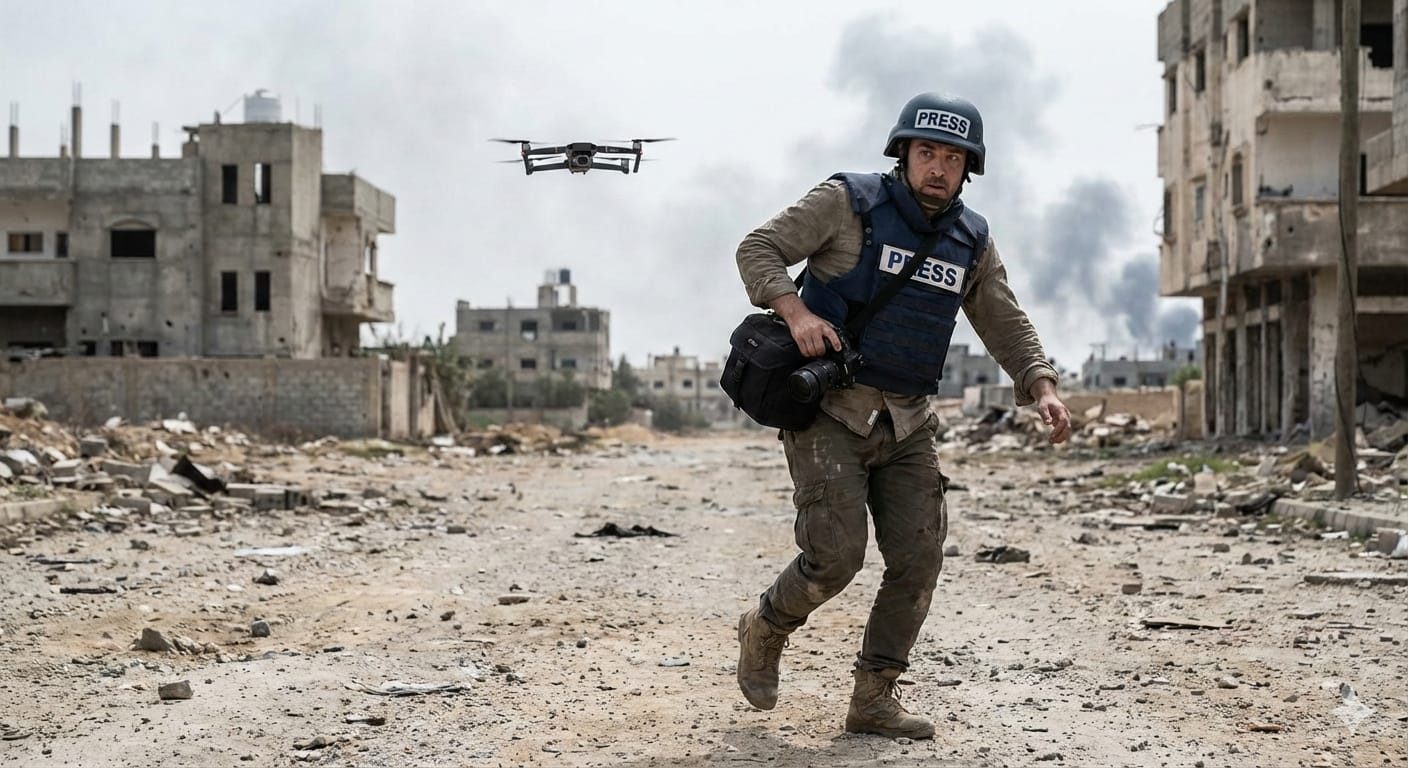
Record Press Deaths in 2025 The Global Toll and Patterns of Violence Against Journalists
February 26, 2026
Global Killings of Journalists in 2025 IFJ Research Report on Violence and Impunity
March 2, 2026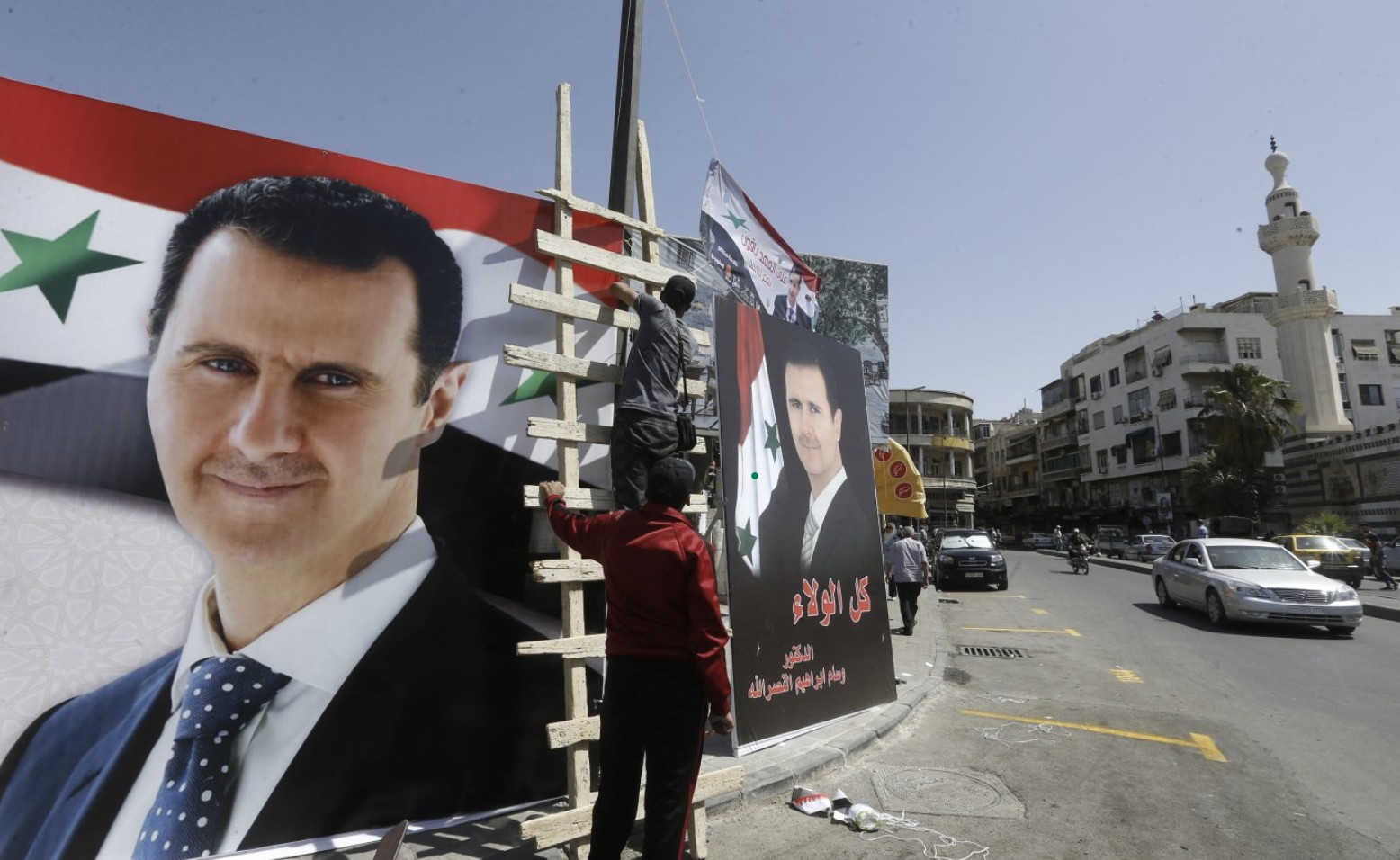
A new Reuters Institute for the Study of Journalism (RISJ) Fellow Paper by Syrian journalist Asmaa al-Omar examines the complex challenges faced by exiled journalists considering a return to post-war Syria, unpacking how professional identity, safety, and political context intersect for media practitioners shaped by decades of conflict and displacement. The research, titled “After Assad: roles and risks for exiled journalists navigating return to Syria,” builds on Al-Omar’s own career reporting on human rights, migration, and conflict in the Middle East.
Al-Omar frames her study around the experiences of Syrian journalists who fled the country amid oppressive conditions and civil war, and who now contemplate re-engagement with Syrian society as political dynamics shift. She highlights two central dilemmas for exiled media professionals: the practical security risks of returning to a country where journalists have been systematically threatened, attacked, or censored, and the ethical and professional motivations to contribute to rebuilding independent journalism in their homeland.
A significant portion of the paper explores how access to information and safety constraints shape the work of Syrian media workers in exile, and how these constraints differ markedly from the environment inside Syria. Al-Omar’s analysis shows that many exiled journalists have built careers in foreign media contexts where basic protections exist, but these same protections are absent or highly uncertain if they attempt to resume reporting from within Syria. This raises critical questions about the feasibility of returning versus maintaining journalistic impact from abroad.
The paper also addresses how identity and professional legitimacy evolve when journalists are forced to operate outside institutional or state frameworks. Al-Omar argues that many exiled Syrian journalists must navigate dual pressures: advocating for truthful reporting about their homeland while confronting the emotional toll of displacement and the fear of repression if they were to return. The research highlights that although some exiled journalists express a strong desire to contribute directly to media development inside Syria, the risks — including reprisals, legal restrictions, and lack of infrastructure — often outweigh potential gains for their safety and independence.
Al-Omar’s work situates these dilemmas within broader debates about the future of journalism in conflict-affected states and how media professionals can ethically balance responsibility to their communities with personal security. Her findings underscore the need for structured international support mechanisms that allow exiled journalists to contribute to media development without jeopardising their safety, as well as for further research into how exile reshapes journalistic practice and identity in post-conflict environments.
Reference –