A **Belfast court has refused an attempt to stop the ongoing trial of three men accused of murdering journalist Lyra McKee, allowing proceedings to continue amid scrutinised legal challenges and lingering public interest in the case. The judge’s decision, delivered on 27 February 2026, paves the way for the trial to advance toward a determination of guilt or innocence after objections were raised by defence teams regarding key evidence.
The application sought to have the charges dismissed before trial because certain material and evidence could not lawfully support a conviction, including contentious identification evidence. However, Judge Patricia Smyth stated she did not consider there were no circumstances under which the defendants could be properly convicted of murder, and therefore rejected the bid to end the trial at this stage. She also ruled that the defendants could still receive a fair hearing even as some evidential issues are examined during the course of the proceedings.
Lyra McKee, 29, was fatally shot on 18 April 2019 while observing rioting in the Creggan area of Derry, as violent clashes erupted between dissident republicans and police. McKee, who had gained international recognition for her work focusing on Northern Ireland’s troubles and legacy, was struck by a bullet fired amid the unrest — a killing later claimed by the New IRA.
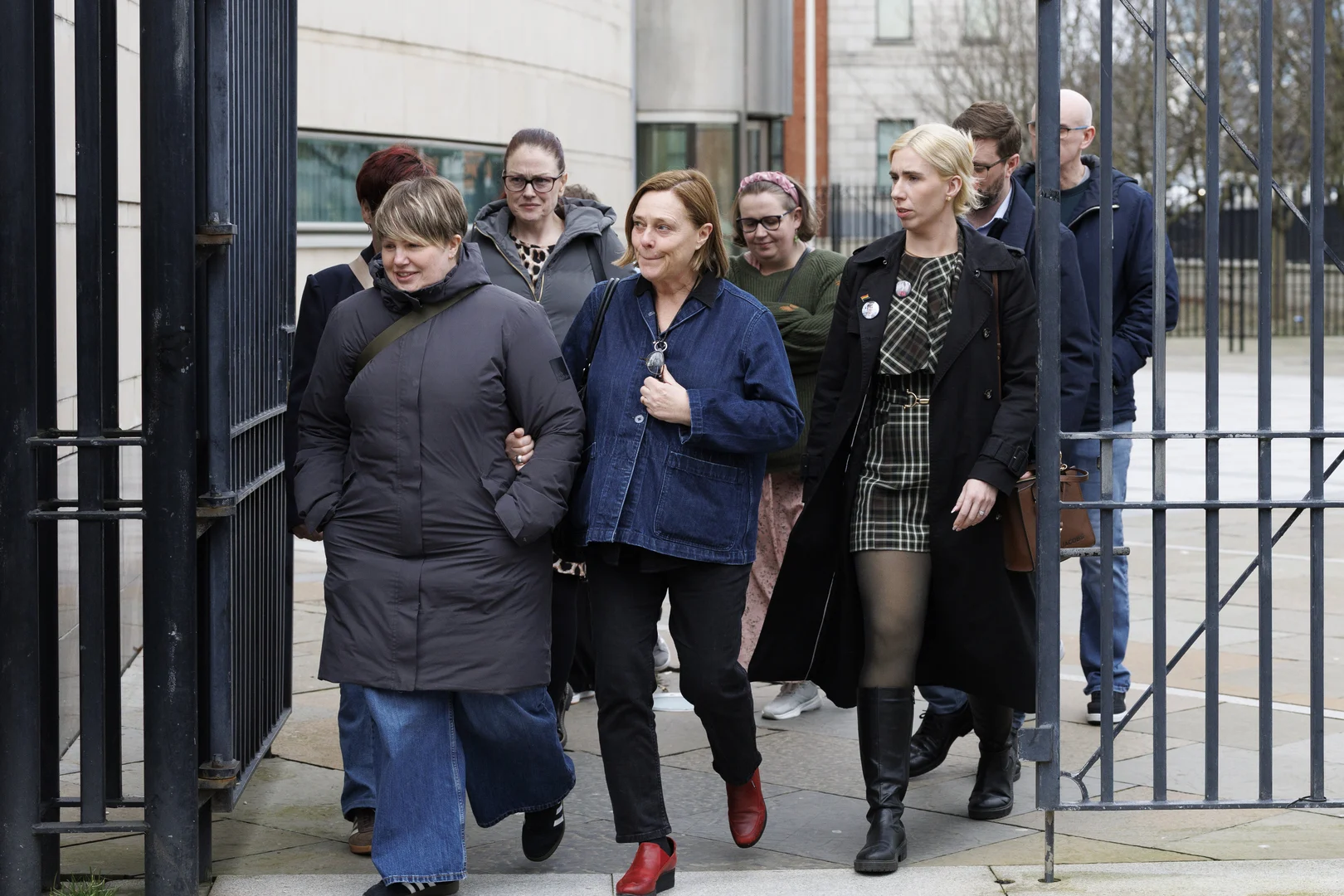
At Belfast Crown Court, three men from Derry — including Peter Cavanagh (37), Jordan Gareth Devine (25) and Paul McIntyre (58) — stand charged with McKee’s murder alongside additional riot-related offences. Several other defendants are facing separate charges connected to rioting and petrol-bomb attacks on the same night, though the application to halt proceedings focused on those accused of her death.
Defence lawyers had contested the admissibility and fairness of some evidence, including identification material and footage captured around the time of the incident. The judge addressed these concerns by excluding specific prejudicial material she deemed unfair, but she upheld the argument that sufficient lawful evidence remains for the trial to continue.
The court’s ruling to reject the defence application reflects a balance between safeguarding fair trial rights and upholding the important public interest in addressing serious crimes, particularly those involving the death of a prominent journalist. Proceedings are now set to advance through fuller examination of evidence at trial, with significant attention on how the court navigates complex legal and factual issues tied to McKee’s death.
Reference –
https://www.inkl.com/news/court-rejects-application-to-stop-trial-for-murder-of-journalist-lyra-mckee
https://www.surreycomet.co.uk/news/national/25894564.court-rejects-application-stop-trial-murder-journalist-lyra-mckee/
https://www.belfasttelegraph.co.uk/news/northern-ireland/court-rejects-application-to-stop-trial-for-murder-of-journalist-lyra-mckee/a/137892347.html