

Journalism’s Hidden Crisis The Precarious Reality Behind the Headlines
February 26, 2026
Exiled Syrian Journalists Weigh Risks and Roles in Returning Home
March 2, 2026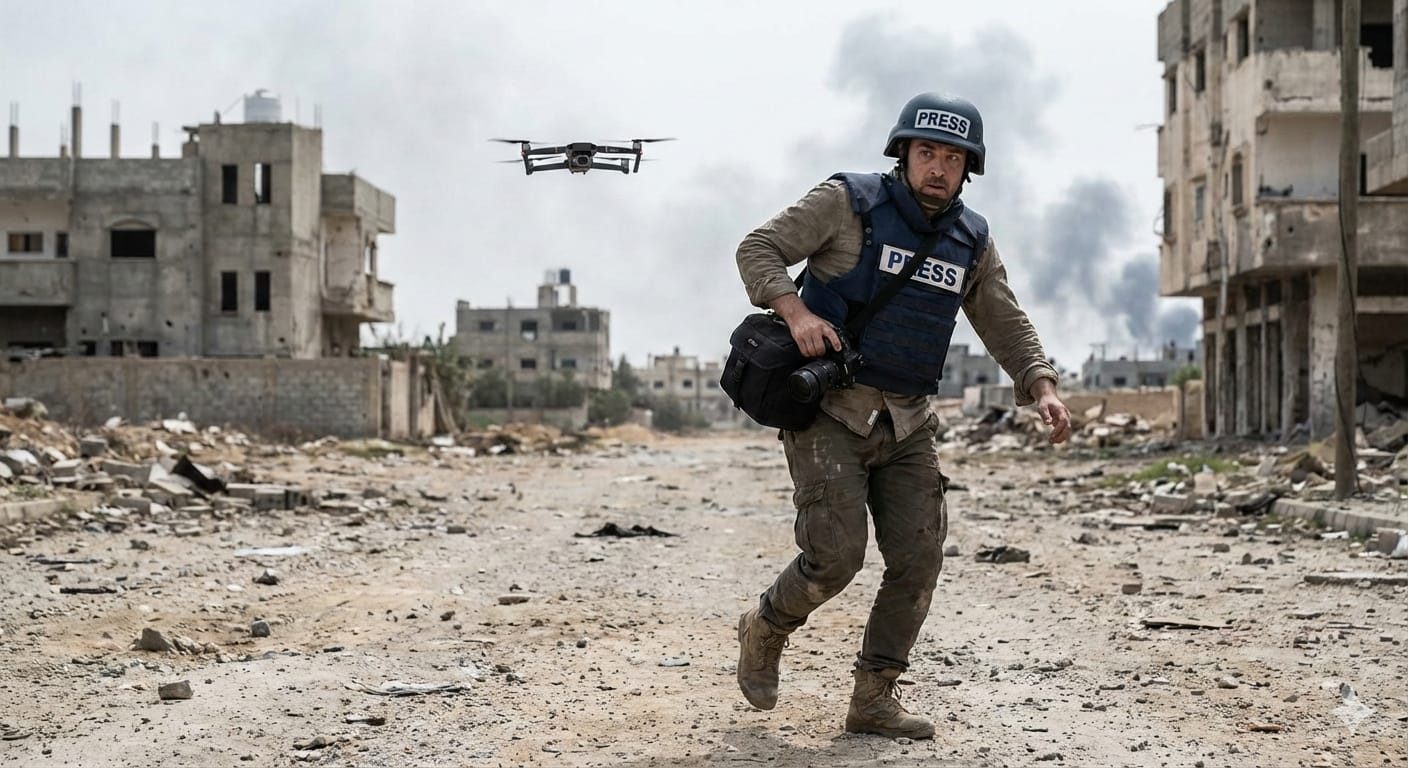
The Committee to Protect Journalists (CPJ) has published a comprehensive analysis showing that 2025 was the deadliest year on record for journalists and media workers, with 129 press members killed worldwide—more than in any year since CPJ began systematic documentation in 1992. The deaths marked a second consecutive annual increase, highlighting an intensification of lethal risks faced by journalists globally.
CPJ’s research reveals a striking concentration of violence in conflict zones, with over three-quarters of all fatalities occurring amid armed confrontations. The report identifies the Afghanistan-Ukraine-Sudan and Middle East theatres as key arenas where journalists were exposed to life-threatening hazards, but it points to a singular outlier in the data: two-thirds of all press deaths in 2025 were linked to Israeli military operations.
According to CPJ’s methodology, a total of 86 journalists were killed by Israeli fire, the largest share attributed to any state actor in the dataset. Most of these victims were Palestinian journalists and media workers reporting from the Gaza Strip, where intense hostilities have persisted since the 2023 conflict escalation. This represents an unprecedented level of lethal violence directly affecting journalists associated with a single conflict and actor.
The research also documents an increase in drone-related journalist deaths, with 39 cases recorded in 2025 across various conflict theatres, including Israeli drone strikes in Gaza, actions by Sudan’s Rapid Support Forces, and Russian military drones in Ukraine. These trends reflect broader shifts in modern warfare that elevate risks for media covering front-line combat and urban conflict zones.
Beyond conflict settings, CPJ’s findings underscore a persistent culture of impunity: very few transparent investigations have been conducted into the 47 cases classified as “targeted killings” in the reporting year, and to date, no individuals have been held legally accountable for these deaths. This lack of accountability compounds the dangers journalists face and weakens global norms protecting press freedom.
While the report focuses on deaths, it also contextualises these fatalities within wider threats to press freedom, including legal harassment, imprisonment, and restricted access in contested zones. CPJ’s research serves as both a quantitative record and a call to action — urging governments, international bodies, and media safety advocates to strengthen protective mechanisms and pursue justice for media workers killed in the pursuit of public information.