
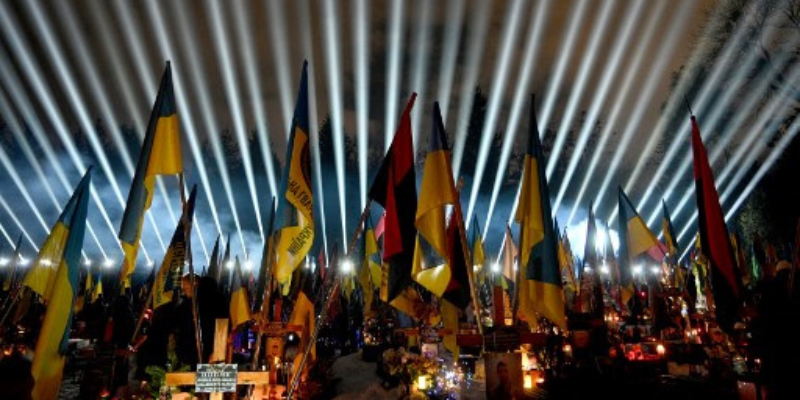
Journalism in Ukraine Four Years Into Full-Scale Invasion: A Research Perspective
February 25, 2026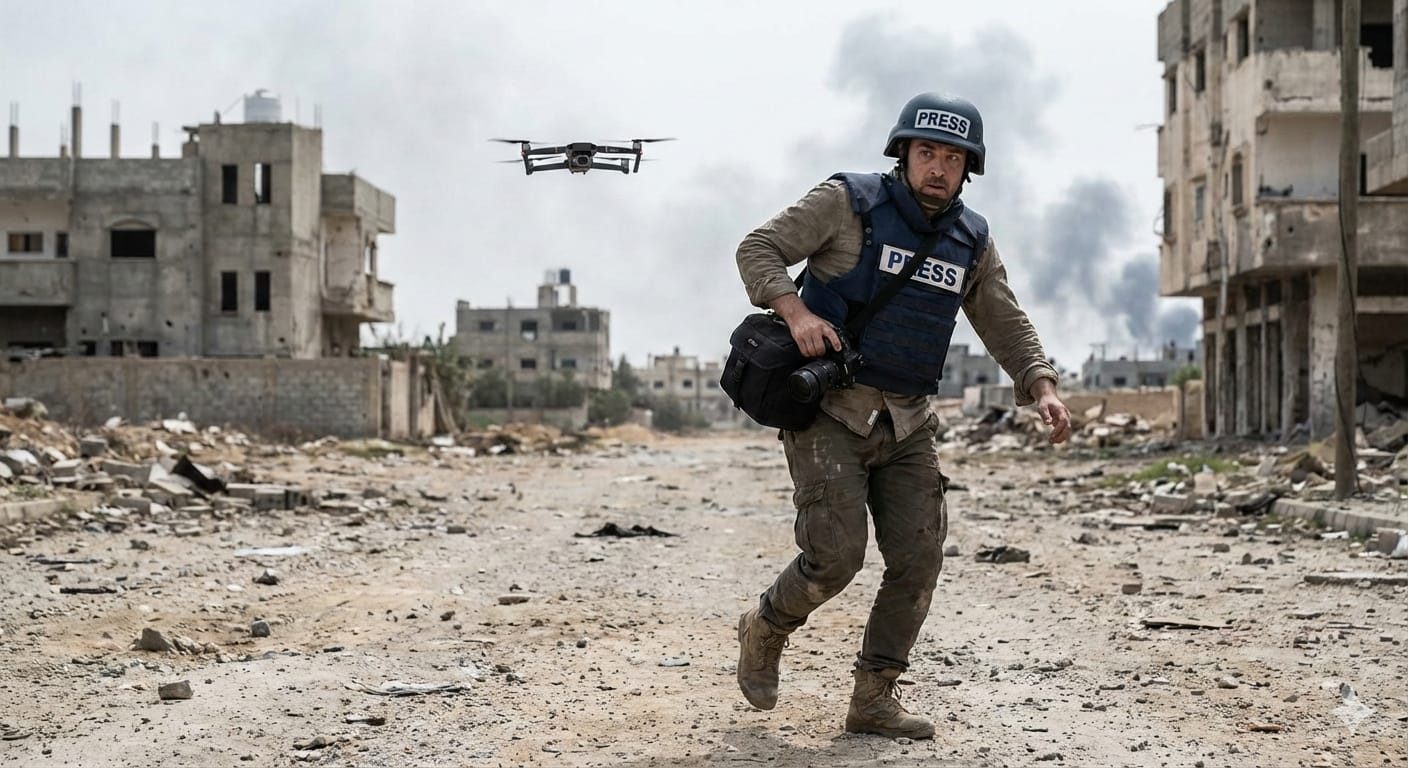
Record Press Deaths in 2025 The Global Toll and Patterns of Violence Against Journalists
February 26, 2026
A recent research-oriented article published by the Al Jazeera Journalism Review explores an overlooked dimension of the media profession: the systemic fragility and internal taboos that inhibit journalists from critiquing their own industry. Drawing on interviews and firsthand observations, author Diana López Zuleta argues that while journalists are trained to expose abuses of power externally, they seldom confront the precarious working conditions and economic insecurity within media organisations themselves. This silence, she contends, has profound implications for the future of journalism and its capacity to serve the public interest.
At the core of the analysis is the paradox that journalists — who champion transparency and accountability — are often reluctant to address the structural issues eroding their professional environment. These issues include meagre wages, excessive workloads, unstable contracts, and a pervasive culture that rewards conformity over critical self-reflection. The article notes that many reporters fear speaking out about these challenges due to concerns that doing so could harm their careers or reputations, creating a climate where systemic problems persist unchallenged.
The piece situates this introspective crisis within a broader context of media industry transformation, where commercial pressures and algorithm-driven metrics have redefined journalistic success. Zuleta highlights how the prioritisation of “clicks” and visibility over in-depth reporting has contributed to deteriorating working conditions and a shift away from core journalistic values. As a result, many journalists find themselves engaging in content production that emphasises quantity and engagement statistics over substantive public service journalism.
The research also underscores that current journalism education often fails to prepare future professionals for these structural realities, focusing primarily on reporting techniques without addressing the economic and organisational forces shaping the industry. This educational gap, combined with insecure labour arrangements in many newsrooms, has led to a growing sense of instability among practitioners.
Ultimately, the article advocates for greater industry introspection and collective action to address the internal taboos that prevent journalists from advocating for better conditions. It frames these reforms as essential not only for the well-being of media workers but also for maintaining the credibility and societal role of journalism itself in an era of mounting challenges to press freedom and information reliability.
Reference –