Israeli authorities have issued a sweeping ban on five Palestinian media platforms, designating them as “terrorist organisations” and ordering their operations blocked over their reporting on events in occupied East Jerusalem and at the Al-Aqsa Mosque during a period of heightened tensions, according to multiple news reports. The move, announced on 23 February 2026, has drawn criticism from press freedom advocates and raised fresh concerns about restrictions on Palestinian media.
The Israeli Ministry of Defense, under Defense Minister Israel Katz, signed an order outlawing Al-Asima News, M3raj Network, Al-Quds Albawsala Network, Maydan Al-Quds, and Quds Network, accusing the outlets of inciting unrest among Palestinians with their coverage of Israeli security actions in East Jerusalem, including near Al-Aqsa. Authorities also instructed internet service providers and social media companies to block access to the platforms’ accounts and content, effectively curtailing their digital reach.
Israeli officials asserted that the media platforms had been used to stir tensions in the context of Ramadan and broader security concerns. Katz’s office said the attorney general had reviewed and confirmed that the designation could proceed under Israeli law, with no apparent legal barrier to the action. In response, Al-Asima News announced it was suspending operations indefinitely, citing safety concerns for its staff amid the enforcement of the ban.
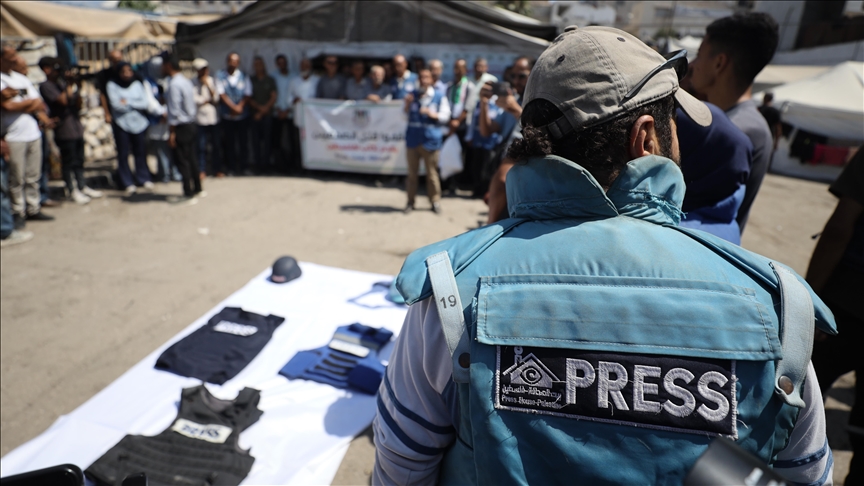
Critics, including Palestinian journalists and rights organisations, have condemned the ban as part of a pattern of media suppression, arguing that the targeted outlets provided crucial real-time reporting from locations — especially within Jerusalem’s Old City and surrounding Palestinian neighbourhoods — where international journalists often face restricted access. Observers say that blocking these platforms jeopardises the flow of information during a time of intense political and social sensitivity, particularly in areas where movement and access for Palestinians are heavily regulated by checkpoints and permit systems.
Commentators also note that the bans come amid a broader tightening of media space in the region, including prior restrictions on other Palestinian and international news services, as well as heightened controls on press reporting in the West Bank and Gaza. Press freedom advocates argue that designating media outlets as terrorist organisations on vague grounds of “incitement” risks creating a chilling effect on independent reporting and undermining access to on-the-ground perspectives during ongoing conflict dynamics.
The long-term consequences of the ban remain unclear, as authorities have not specified whether the measures are intended to be temporary or permanent. The action is likely to draw further scrutiny from international civil liberties organisations monitoring press freedom and human rights in the context of the Israeli-Palestinian conflict.
Reference –
https://www.palestinechronicle.com/five-palestinian-media-platforms-banned-as-israel-tightens-control-in-jerusalem/
https://www.arabnews.com/node/2634142/media
https://www.aa.com.tr/en/middle-east/israel-bans-5-palestinian-media-platform-over-coverage-of-israeli-actions-in-occupied-east-jerusalem/3837824