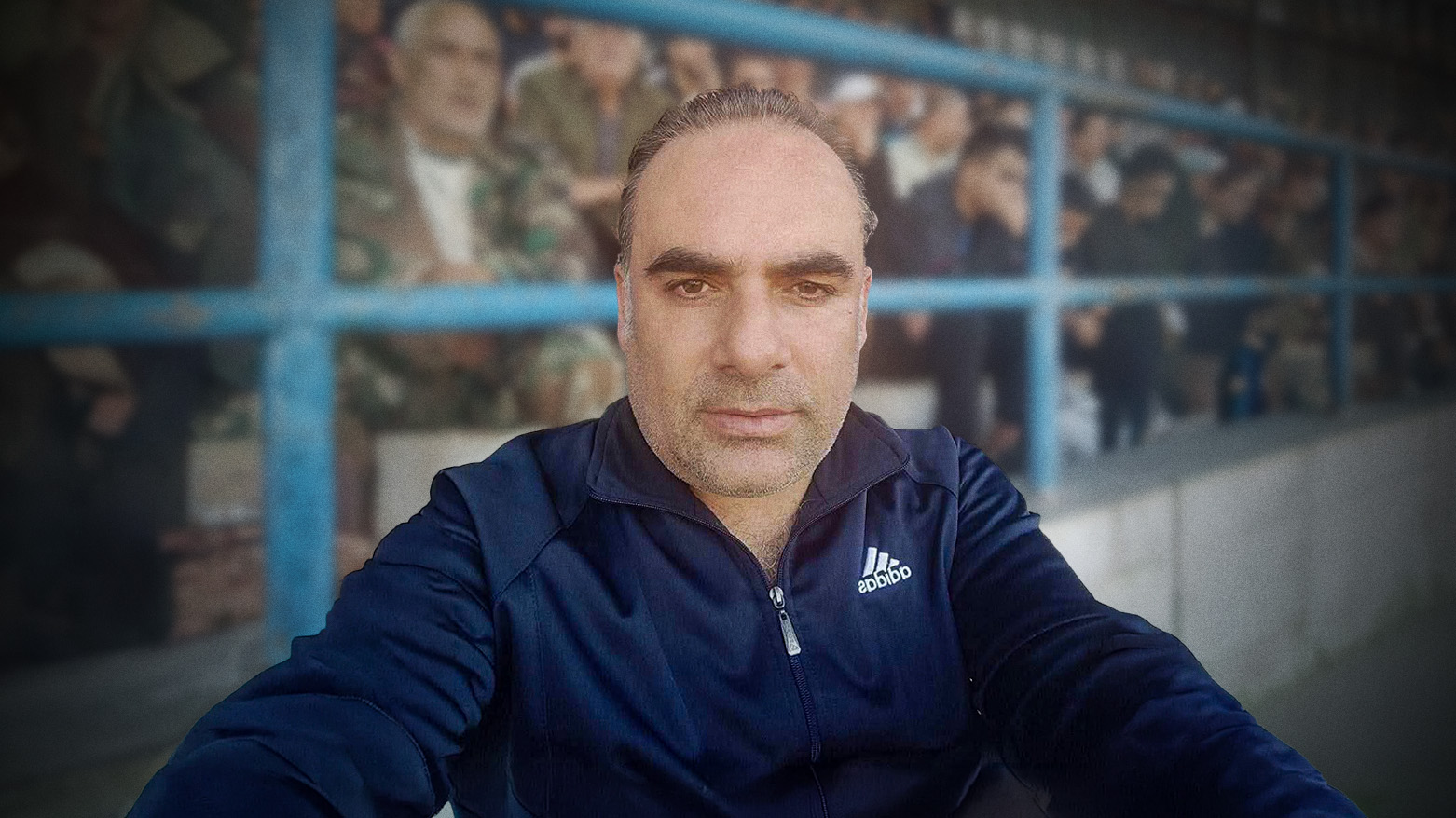
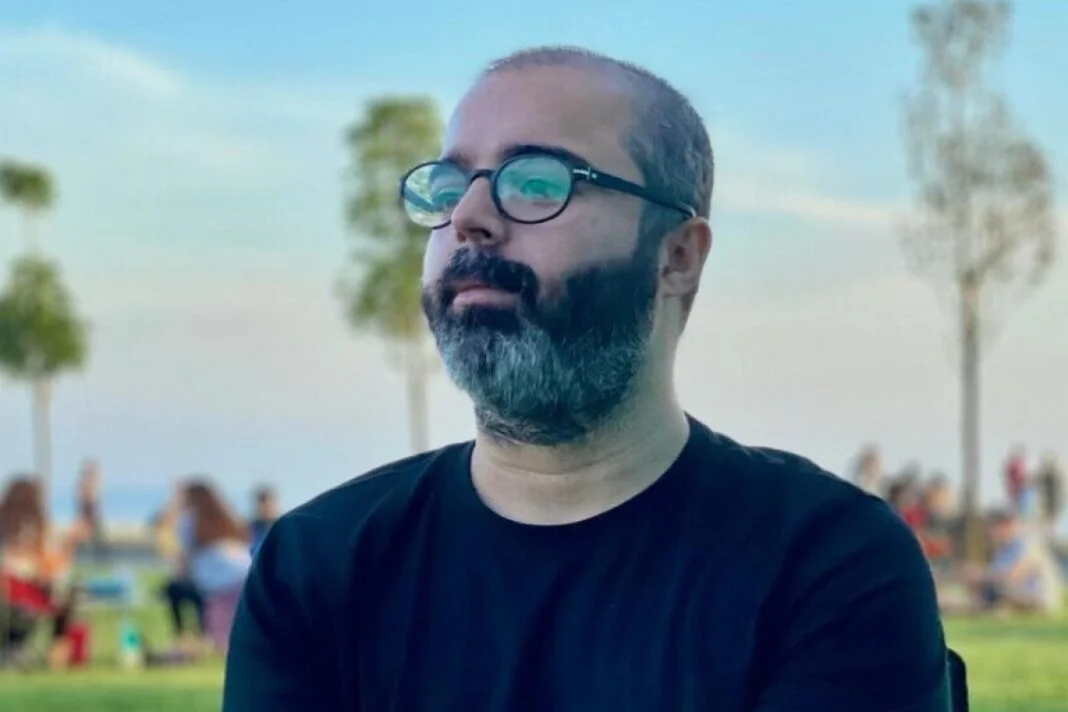
Turkish authorities have kept journalist Ali Barış Kurt behind bars for more than three months beyond his scheduled release, after a prison administrative board denied his conditional release on the basis that he had not shown “remorse,” according to rights monitors. The case highlights ongoing concerns over parole practices and judicial discretion in Turkey, where journalists have frequently faced detention related to their professional activities.
Kurt, who had been serving a sentence in a Maltepe district prison in İstanbul, was initially expected to be released in November 2025 following a conviction for spreading “terrorist propaganda” tied to his reporting. Instead, the prison’s administrative observation board unanimously ruled against his parole, stating that he had failed to demonstrate adequate contrition — a requirement that critics call arbitrary and unrelated to legal criteria for release. The denial effectively extended Kurt’s imprisonment without a clear legal justification.
The decision was upheld by both an enforcement judge and a high criminal court, further entrenching his continued detention. The use of administrative observation boards — bodies established in Turkish prisons in 2021 with authority to review parole eligibility — has drawn criticism from human rights organisations, which argue that these panels delay or block parole for political and high-profile cases by emphasizing subjective criteria such as expressions of remorse.
Kurt has publicly described the reasoning behind the board’s decision as “unfounded,” stressing that his continued detention stems from his journalistic work rather than conduct that objectively warrants extended imprisonment. He told the Media and Law Studies Association (MLSA) that he has spent “about 400 days” in prison due to his reporting activities and that the parole denial was justified based on disciplinary records rather than legal merits of his case.
The broader context in Turkey shows that denial or delay of parole — often on grounds of alleged lack of remorse, bad behaviour, or vague administrative criteria — is not uncommon for politically sensitive prisoners. Human rights groups have documented hundreds of cases in recent years where eligible inmates, including journalists and political opponents, have had their release postponed by parole boards, raising concerns about rule-of-law standards and due process.
Kurt’s ongoing detention comes amid a climate of declining press freedom in Turkey, where journalists have faced criminal charges, arrests, and censorship for reporting on sensitive topics. Rights advocates argue that the use of parole denial as a mechanism to extend imprisonment — especially when tied to expressions of remorse rather than legal factors — further undermines media freedom and judicial independence in the country.
Reference –
Turkey keeps journalist in prison 3 months past release date due to ‘lack of remorse’