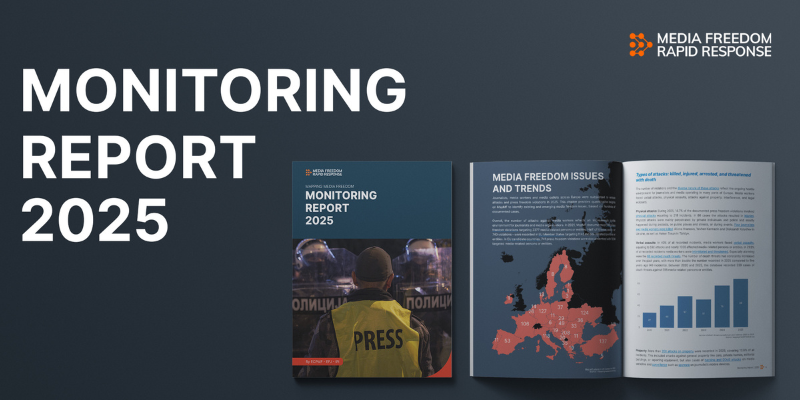
European Press Freedom Monitoring Report 2025: Scope, Trends, and Risks
February 23, 2026
Online Violence Targeting Female Journalists and Strategies for Protection
February 24, 2026
A research-oriented review of press freedom conditions for 2026 identifies five major structural trends that are reshaping the global journalism landscape, reflecting converging legal, economic, technological, security, and societal pressures on media freedom. This analysis draws on the 2025 World Press Freedom Index and verified developments from late 2025 into early 2026, underscoring how challenges to independent reporting are becoming more interconnected and complex.
Expanding Legal and Regulatory Pressures
Governments globally are broadening legal and regulatory frameworks that affect journalism beyond traditional censorship. New digital laws, cybersecurity regulations, licensing requirements, and expanded enforcement powers — often justified as anti-misinformation or national security measures — are increasing state oversight of newsrooms and online speech. Legal scrutiny now extends to compliance obligations and content moderation, prompting concerns that vaguely worded rules can be used to suppress critical reporting.
Increasing Economic Fragility of Newsrooms
Economic pressure remains a key structural threat to press freedom. Advertising revenues continue to shift to technology platforms, undermining traditional funding models and prompting newsroom layoffs, cuts in investigative capacity, and consolidation. Fragile business models make outlets more susceptible to political or corporate influence, potentially compromising editorial independence.
Digital Platforms as Gatekeepers
Technology platforms play an increasingly decisive role in news distribution. Changes in content moderation policies, algorithmic priorities, and regulatory negotiations — including efforts by governments to compel platforms to pay for news — directly impact audience reach and revenue streams for publishers. Journalists and media organisations must track these shifts as they redefine distribution dynamics and influence public access to independent information.
Surveillance and Digital Security Risks
Digital surveillance threats — including spyware, intrusive monitoring, and online harassment — are growing concerns for journalists. Investigations by media consortia and digital rights organisations in late 2025 reported instances of journalists targeted with advanced monitoring tools. UNESCO and other bodies have documented rising risks of online abuse and unlawful surveillance, demonstrating that cybersecurity and source protection are now essential elements of press freedom protection strategies.
Polarisation and Declining Public Trust
Polarised political climates and declining public trust in news institutions continue to affect press freedom indirectly. Public opinion data from 2025 shows trust in media varies widely across regions, affected by political rhetoric, misinformation, and scepticism toward traditional outlets. Reduced trust can fuel harassment and delegitimisation of journalists, intensify hostility toward independent reporting, and potentially facilitate political efforts to undermine media autonomy.
Implications for 2026
Collectively, these trends highlight the necessity for journalists and media organisations to enhance legal literacy, diversify revenue models, invest in digital security, and maintain transparency with audiences. Monitoring regulatory changes, economic developments, technological shifts, and societal trust dynamics will be crucial for anticipating risks and safeguarding press freedom in the evolving media ecosystem of 2026.
Reference –
https://www.journalismpakistan.com/five-press-freedom-trends-journalists-should-watch-in-2026