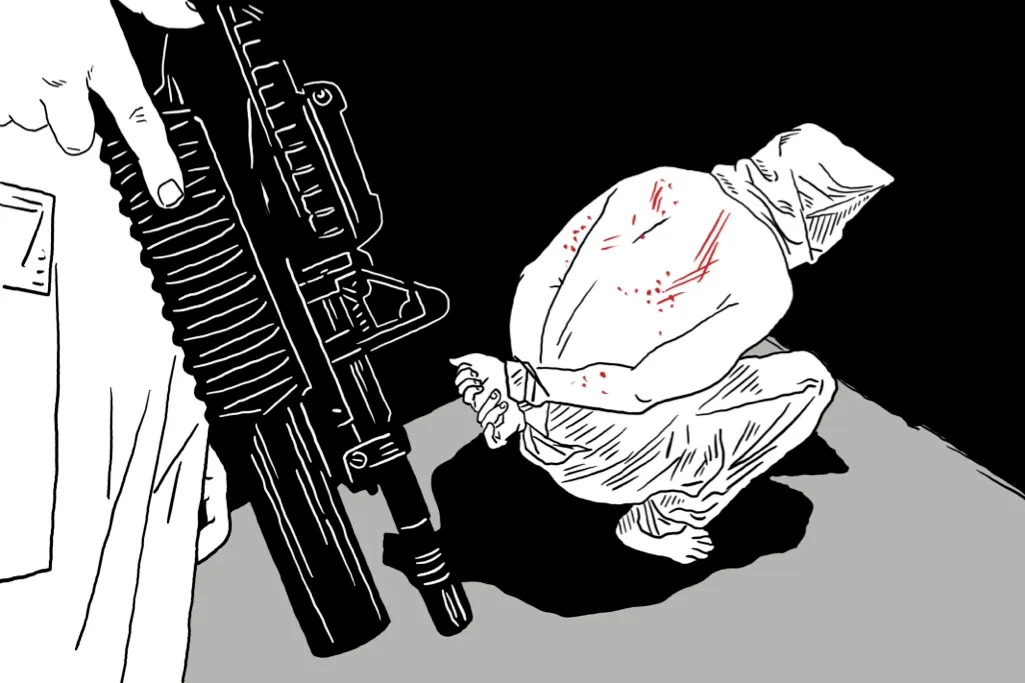
Systematic Abuse and Torture in Israeli Detention Revealed by CPJ Research
February 19, 2026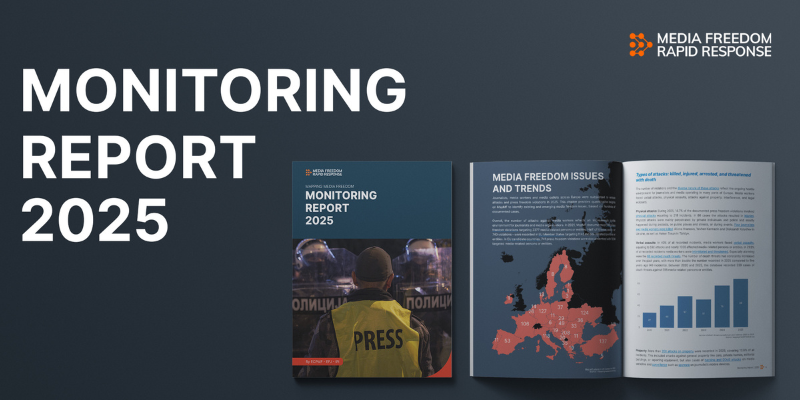
European Press Freedom Monitoring Report 2025: Scope, Trends, and Risks
February 23, 2026
A comprehensive assessment of media freedoms in Türkiye for 2025 reflects a sustained deterioration of press independence, legal autonomy, and safety conditions for journalists, culminating in one of the most repressive media environments among European and candidate countries. Multiple monitoring reports show that authorities continued to leverage criminal prosecutions, judicial harassment, censorship, regulatory pressure, and digital controls to curb independent reporting and dissenting perspectives throughout the year.
One of the defining features of 2025 was the frequency and scope of arrests and legal actions taken against journalists across the country. According to data compiled by media freedom monitors, Turkish authorities arrested at least 29 journalists in 2025, with many others detained, questioned, or placed under judicial supervision. Numerous cases involved long-standing legal tools such as criminal defamation statutes and anti-terrorism provisions, which critics argue are frequently repurposed to silence critical reporting rather than address genuine security threats.
Press freedom indices and global rankings underscore this decline. Reporters Without Borders’ 2025 World Press Freedom Index placed Turkey at 159th out of 180 countries, a position near the bottom of global standings and one of the lowest among European nations, highlighting restraints on journalistic autonomy, censorship, and political influence over media institutions.
The pattern of violations recorded in 2025 was extensive. Joint documentation shows at least 137 press freedom violations officially logged by international monitoring bodies, revealing a systematic pattern of repression that included legal action, violence, and other forms of suppression. These violations affected hundreds of journalists and media outlets, further eroding confidence in transparent reporting and independent journalism within the Turkish context.
Legal and regulatory frameworks played a significant role in this environment. Turkey’s courts continued to apply broad interpretations of counter-terrorism and “insult” laws, often levelling charges tied to national security, terrorism, or perceived threats to public order against journalists and media professionals. In some cases, routine journalistic activities — including social media commentary and coverage of political events — were prosecuted, intensifying the chilling effect on press freedom.
Digital and economic pressures also contributed to shrinking media space. Government regulators imposed substantial fines on broadcasters critical of state policy, while internet censorship and platform restrictions limited independent outlets’ reach. Observers note that these combined pressures not only constrain reporting but also incentivise self-censorship among journalists and media organisations wary of legal or economic repercussions.
Overall, the 2025 review portrays an authoritarian trajectory in press freedom, where legal mechanisms, security rationales, and regulatory action have been leveraged to restrict independent journalism and dissenting voices. The resulting landscape presents significant challenges for media practitioners, undermining democratic accountability and public access to diverse information sources within Turkey.
Reference –