
AP Journalist and Colleagues Detained by Police in Cameroon While Reporting on U.S. Deportations
February 20, 2026
Media Freedom Advocates Renew Calls for Answers in 2013 Murder of RFI Journalists in Mali
February 20, 2026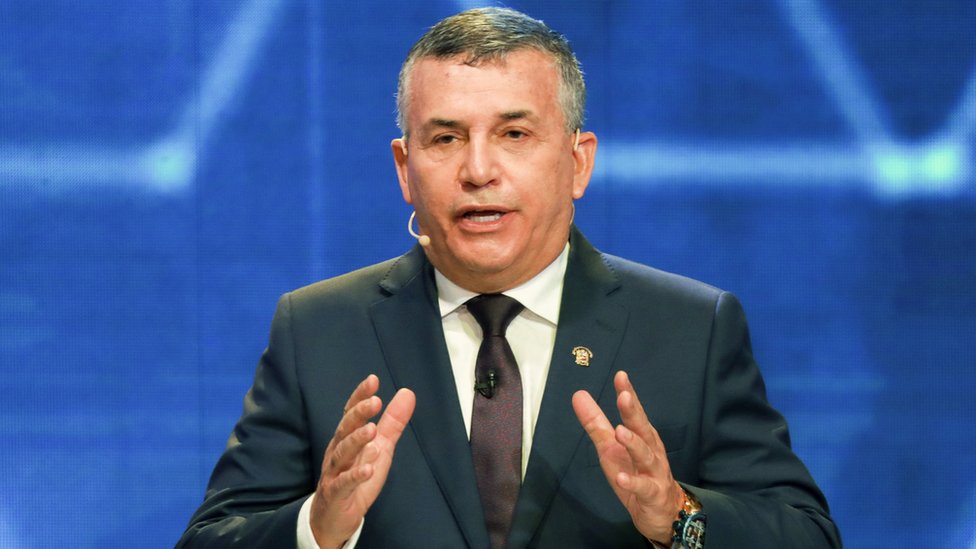
February 20, 2026 – Peru –
Peru’s Constitutional Court (TC) has ordered the release of former interior minister Daniel Urresti after annulling his 12-year prison sentence for his role in the 1988 murder of journalist Hugo Bustíos, triggering renewed debate about justice for crimes against the press and human rights accountability. The ruling was issued on February 20, 2026, and demands Urresti’s immediate freedom after a procedural review determined legal grounds to overturn the conviction.
Urresti, a retired army officer and once a high-profile political figure in Peru, had been sentenced in 2023 for being a co-author of the killing of Bustíos, a Caretas correspondent ambushed and killed in the Ayacucho region during the country’s internal conflict with the Shining Path insurgency. Prosecutors had linked Urresti’s actions, along with those of other military personnel, to the ambush that resulted in Bustíos’s death while he was reporting on rural violence.
The Constitutional Court’s majority ruling nullified the conviction on the basis that the statute of limitations had expired under the legal framework in effect at the time of the crime, rather than under later international-human-rights standards that classify such acts as non-prescribable crimes against humanity. The court applied Ley 32107 — enacted in 2024 — limiting the retroactive classification of offenses as crimes against humanity to conduct occurring after July 1, 2002. Because Bustíos’s murder occurred in 1988, the court concluded the relevant criminal action had legally lapsed before trial proceedings.
Urresti’s legal defence hailed the decision as a long-awaited victory, emphasising that the legal timing and procedural interpretations now favour his immediate release. Allies in political circles, including some aligned with parties considering him for future office, welcomed the court’s clarification of legal principles.
However, the ruling has sparked intense criticism from press freedom advocates and journalist organisations, including the Asociación Nacional de Periodistas del Perú (ANP). The ANP condemned the nullification as a weakening of Peru’s commitment to international human-rights obligations and stressed that the decision does not absolve Urresti of moral culpability, but rather reflects a technical legal interpretation. The ANP pledged to support Bustíos’s family in seeking further avenues for accountability, potentially through regional human-rights mechanisms.
The case remains one of Peru’s most significant unresolved instances of judicial response to violence against journalists, and the court’s decision has reignited public and legal discussions over impunity, historical memory, and the balance between legal irregularities and the imperative of justice for crimes against members of the press.
Reference –
Peruvian court orders release of former minister after overturning sentence for journalist’s murder