Reza Valizadeh, a dual U.S.–Iranian journalist, has spent more than a year in Iranian detention, and his continued imprisonment highlights the complex intersection of press freedom, diplomatic negotiations, and geopolitical tensions between Tehran and Washington. Valizadeh’s case is now entangled with broader discussions about potential U.S.–Iran agreements and how these diplomatic moves might affect individuals held in Iran.
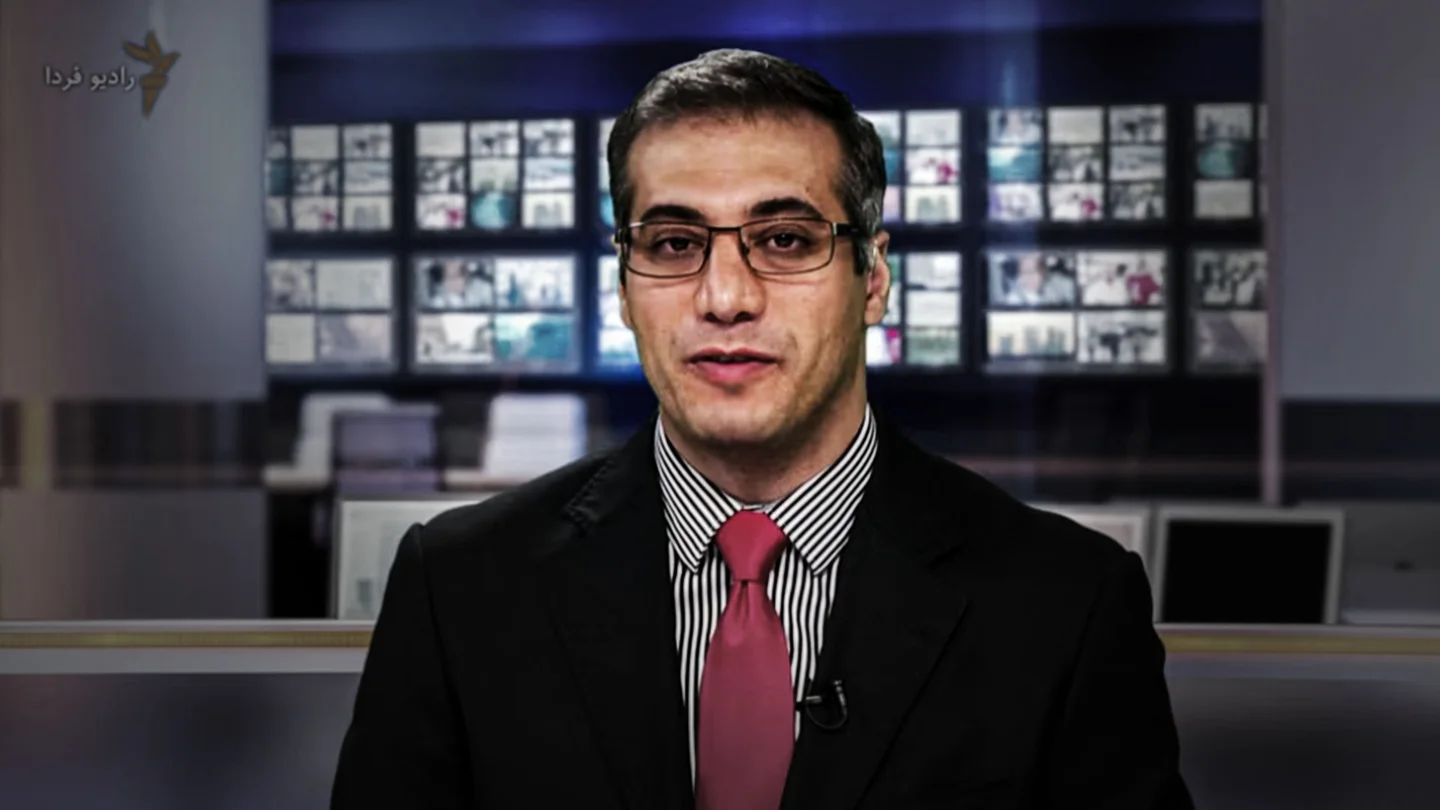
Valizadeh, 49, who worked for years as a broadcaster with Radio Farda — the Persian-language service of Radio Free Europe/Radio Liberty funded by the U.S. government — travelled to Iran in March 2024 to visit family after 14 years abroad. He was arrested in September 2024 by Iran’s Islamic Revolutionary Guard Corps on national security charges, which Iranian authorities routinely use against journalists and dissidents. In January 2025, a Tehran court sentenced him to 10 years in prison on accusations of “collaborating with a hostile government,” a conviction widely condemned by press freedom organisations.
U.S. officials have formally designated Valizadeh as “wrongfully detained,” placing his case under the U.S. government’s release mechanisms for wrongful detentions. The designation opens diplomatic avenues that could be leveraged in negotiations between Washington and Tehran, including high-level talks over sanctions, security issues, and other bilateral concerns. Advocacy by his family, attorneys, and civil society groups has emphasised that Valizadeh’s imprisonment was not based on legitimate criminal conduct but tied to his journalistic work and critiques of Iranian institutions.
Valizadeh’s supporters contend that diplomatic leverage — including potential Trump administration engagement with Iran on broader strategic issues — might be key to securing his freedom. They argue that past agreements, including prisoner swaps or diplomatic understandings, have sometimes led to the release of U.S. nationals held in Iran, and raising Valizadeh’s case in the context of wider negotiations could create pressure on Tehran to relent. However, there are no guarantees, and campaigners note that detained individuals often become bargaining chips in negotiations with little transparency about how decisions are made behind the scenes.
Meanwhile, Valizadeh’s health and conditions in custody remain a concern. Reports from past coverage and family accounts highlight overcrowded cells, limited medical care, and deteriorating well-being amid harsh conditions, underscoring the urgency of diplomatic and legal efforts to secure his release. His case continues to draw attention from media freedom advocates and international human rights organisations, who stress that freedom of expression and protection of journalists must remain central even amid high-stakes geopolitical negotiations.
Reference –
https://www.aol.com/articles/fate-imprisoned-american-journalist-hinges-230340946.html
https://www.huffpost.com/entry/trump-iran-deal-reza-valizadeh_n_6998d1bee4b041f92b44db7f