
Methodological Approaches in Investigative Journalism and Their Impact on Quality
February 17, 2026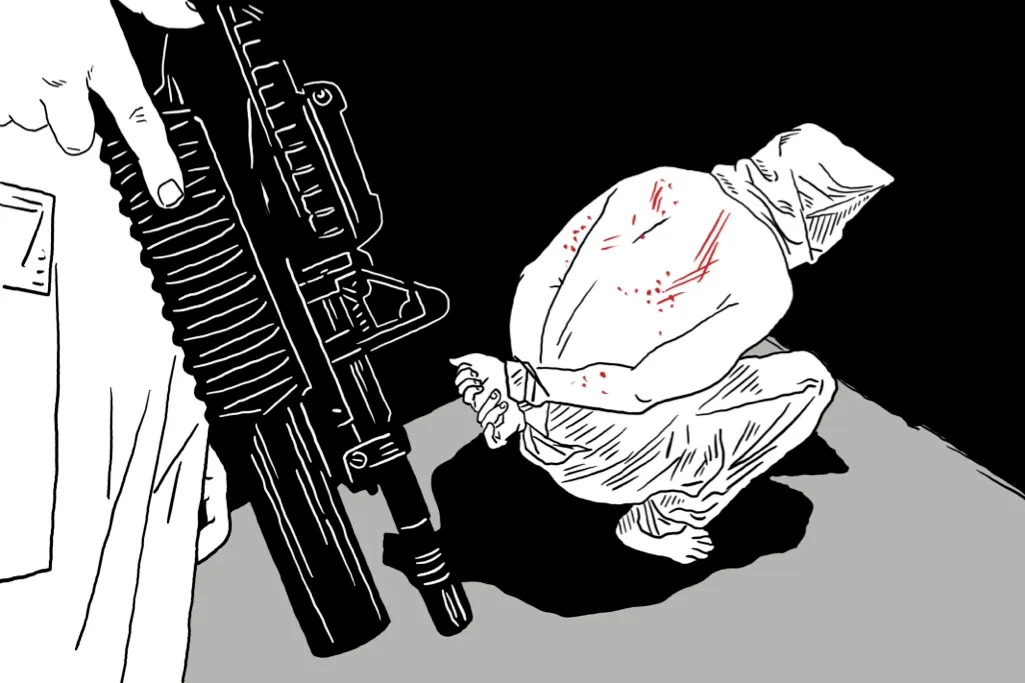
Systematic Abuse and Torture in Israeli Detention Revealed by CPJ Research
February 19, 2026
This research article examines the comprehensive 2026 analysis published by the Committee to Protect Journalists (CPJ) documenting the systematic repression of independent media in the Russian Federation. Drawing on legal frameworks, case studies, and quantitative trends, the report highlights how state institutions and allied actors have dismantled press freedoms through legislative manipulation, intimidation, and punitive measures that undermine the basic functions of journalism.
Background and Legal Framework
Russia’s Constitution formally guarantees freedom of speech and press; however, successive legal amendments and bureaucratic regulations introduced in the past decade — including broad “foreign agent” laws, anti-extremism statutes, and criminal codes targeting “discreditation” of state forces — have created an expansive legal toolkit used to suppress dissenting media. These provisions are characterised by vague wording that can be arbitrarily applied to journalistic content, effectively chilling reporting on governance, corruption, and security operations.
Methods
CPJ’s assessment combines qualitative and quantitative approaches: analysis of official charges against journalists; interviews with affected media workers and editors; tracking of newsroom closures and media outlet deregistrations; and systematic review of judicial proceedings involving press workers. This multi-layered methodology enables a broad understanding of repression mechanisms, patterns of enforcement, and the sociopolitical context in which press freedom violations occur.
Key Findings
- Legislative Suppression: Laws such as the “foreign agents” regime and expansive definitions of extremism have been used to label independent outlets and journalists as threats to national security, forcing closures, fines, and operational restrictions.
- Criminalisation of Reporting: Journalists have faced criminal cases — including charges of defamation, extremism, and discrediting the military — for routine reporting, particularly on sensitive topics like the Ukraine conflict. Such prosecutions often result in fines, travel bans, or imprisonment.
- Harassment and Intimidation: State and pro-government actors have employed surveillance, raids, and public smear campaigns against journalists and their families, creating an atmosphere of fear and self-censorship.
- Media Outlet Shutdowns: The report documents the closure or forced restructuring of numerous independent media outlets, especially those broadcasting in Russian across domestic and diaspora audiences, effectively eliminating critical voices from public discourse.
Discussion
The erosion of media freedom is not limited to overt censorship but has been institutionalised through legal and administrative mechanisms that target the infrastructure of independent journalism. CPJ’s analysis situates these developments within broader political strategies aimed at controlling public narrative and minimising accountability. The repression model observed in Russia combines legal repression with social and economic pressures that marginalise independent reporting.
Implications
The continued repression of journalists in Russia has far-reaching consequences for civic engagement, transparency, and international norms of information rights. It undermines democratic mechanisms by restricting access to independent information and silencing critical voices. The CPJ report argues that without meaningful legislative reform and judicial independence, press freedom in Russia will remain deeply compromised.
Conclusion
CPJ’s research articulates a clear pattern of intensifying state control over the media landscape in Russia, marked by legal, political, and extralegal pressures that collectively erode the conditions for independent journalism. The study calls for increased international attention, legal safeguards, and solidarity mechanisms to support journalists operating under repressive conditions.
Reference –