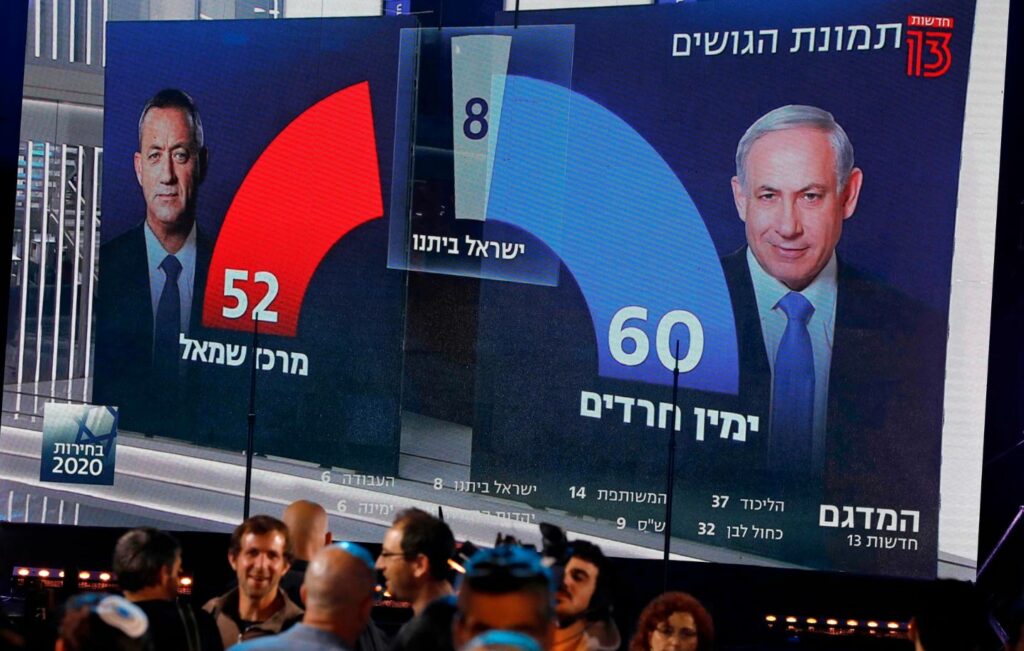
Israeli media professionals have expressed alarm over the potential impact on press freedom following news that UK billionaire Len Blavatnik’s Access Industries is preparing to sell its stake in Channel 13, one of Israel’s major commercial television networks. Journalists and press freedom advocates say the deal could further concentrate media ownership and weaken editorial independence at a time of intense political and social debate within the country.
Reports emerged in mid-February 2026 that Access Industries, which has held a controlling interest in Channel 13 since the network’s launch following reforms of Israel’s commercial broadcasting sector, is seeking buyers for its shares as part of a strategic realignment of its global media holdings. The prospective sale has triggered concern among newsroom staff at Channel 13 and beyond, with journalists warning that new ownership could bring changes that jeopardise independent reporting and critical coverage.
In statements and open letters, Israeli journalists said they fear that further commercial or political influence over one of the country’s largest news outlets could erode editorial autonomy. Channel 13 is widely watched across Israel and is influential in shaping public debate on politics, security, and social issues. Reporters and editors have stressed that press freedom — already a contentious subject in Israeli society — must be protected against ownership shifts that prioritise commercial or ideological agendas over journalistic standards.
Critics also pointed to broader trends of media consolidation in Israel, where a small number of wealthy individuals and conglomerates control major newspapers, television channels and digital platforms. Journalists at Channel 13 and media unions have urged Blavatnik to reconsider the sale or to include safeguards that would protect editorial independence regardless of the new investor’s identity. They argue that without explicit commitments to press autonomy, ownership change could lead to self-censorship or undue influence over sensitive coverage, particularly during periods of political tension or election cycles.
Access Industries has not publicly detailed which parties might be interested in acquiring the stake, though media industry analysts speculate that other regional investors or global media groups could step in. In response to journalists’ concerns, some industry commentators noted that commercial investment does not automatically equate to interference, but acknowledged that transparency and clear editorial charters are essential to reassuring staff and audiences.
The debate over the Channel 13 sale comes amid ongoing scrutiny of press freedom in Israel and the occupied territories, where issues ranging from military censorship to political pressure on broadcasters have been raised by domestic and international watchdogs. Israeli journalists have framed their warnings as part of a broader effort to ensure that media institutions remain robust, pluralistic, and resistant to concentrated influence.
Media freedom organisations in Israel and abroad have expressed solidarity with Channel 13’s newsroom, calling for dialogue between journalists, management, and prospective investors to formalise protections for editorial independence. As negotiations over the stake sale continue, journalists say they will monitor developments closely and advocate for structural guarantees that uphold the integrity of news coverage in Israel’s complex and often polarised media environment.
Reference –
https://madhyamamonline.com/middle-east/israeli-journalists-urge-uk-billionaire-to-halt-channel-13-stake-sale-over-press-freedom-fears-1494598
https://www.arabnews.com/node/2632915/media
https://reporteri.net/en/NEWS/boat/Israeli-journalists-are-alarmed-about-media-freedom/
https://www.theguardian.com/world/2026/feb/13/israeli-journalists-fear-press-freedom-uk-billionaire-sells-tv-channel-stake