

Global Research Brief: United Nations Highlights the Imperative of Journalists’ Safety
February 11, 2026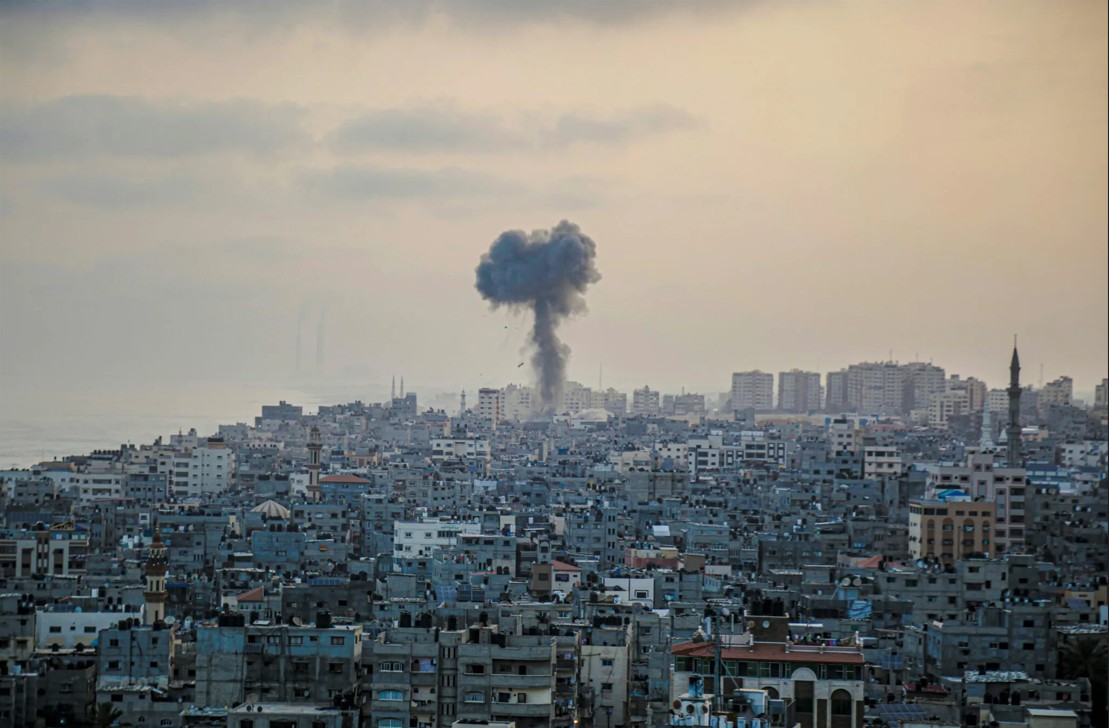
How Journalists Are Killed in Gaza
February 15, 2026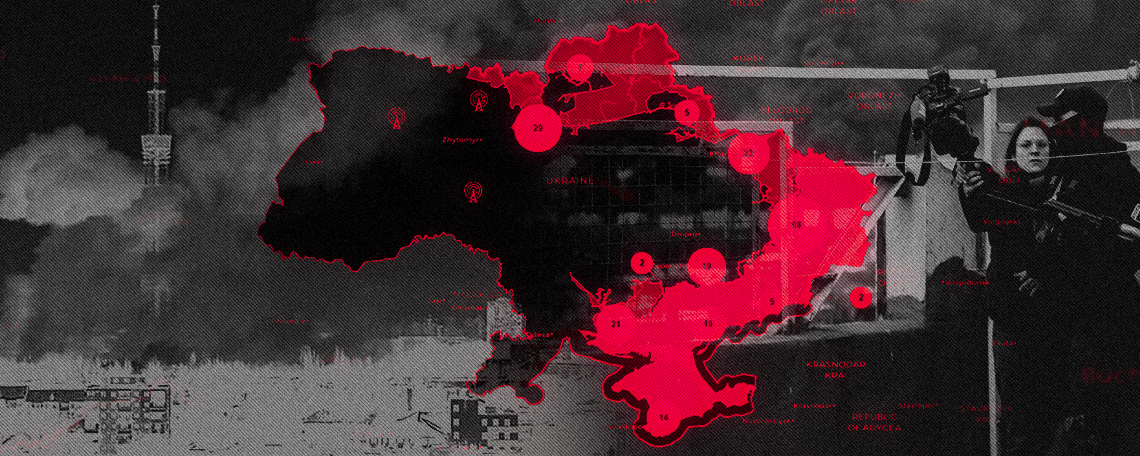
A recent Reporters Without Borders (RSF) analysis reveals that more than 175 journalists have been victims of abuse, injury, or death linked to Russia’s full-scale invasion of Ukraine — a trend that underscores severe threats to press freedom and journalist safety in contemporary armed conflict. The documentation reflects nearly four years of sustained hostility toward news professionals operating in a high-risk environment where frontline reporting intersects with active military engagement.
Scope and Methodology
RSF’s findings are based on systematic documentation with partner organisations, including the Institute of Mass Information (IMI) in Ukraine. Cases recorded since 24 February 2022 encompass physical assaults, killings, detentions, and detentions with conditions amounting to war crimes by Russian forces, as well as attacks using unmanned weapon systems. This longitudinal monitoring provides a data-driven perspective on the evolving risks faced by journalists in conflict zones.
Fatalities and Physical Harm
Between 2022 and 2025, RSF reports that 16 journalists were killed while carrying out their duties in Ukraine, with three deaths in 2025 alone attributed to hostile FPV (first-person-view) drone strikes. Notable cases include French photojournalist Antoni Lallican, killed in Komyshuvakha in October 2025, and Ukrainian reporters Aliona Hramova and Yevhen Karmazin, killed in a Kramatorsk drone strike later that month. In addition to fatalities, at least 53 journalists sustained injuries from combat-related violence, often during routine reporting assignments near active front lines or even in ostensibly secure urban settings.
Detentions and Detention Conditions
RSF further documents that dozens of media professionals have been detained or remain detained by Russian authorities or in territories under Russian control, often on charges connected to alleged security violations. These detentions include restrictive conditions that RSF and other advocates argue amount to systematic abuse of journalists for their reporting work. Independent monitoring also highlights procedural deficiencies and a lack of due process in many such cases.
Patterns of Targeting and Methods of Attack
The prevalence of FPV drone attacks as a mechanism for harming journalists marks a disturbing evolution in conflict-related risk. These small, agile, weaponised drones have struck reporters operating near combat zones, signalling a shift in how military assets contribute to non-combatant casualties. RSF’s data show that journalists are at risk not only from traditional artillery but increasingly from unmanned systems that can reach areas previously considered safer.
Implications for Press Freedom and Protection
The RSF findings illustrate how armed conflict intensifies threats to press freedom beyond conventional censorship and legal harassment. In Ukraine, journalists reporting independently are exposed to direct physical violence, death, injury, detention, and psychological trauma — conditions that diminish press capacity and constrain the public’s access to reliable information. The persistence of such attacks contravenes international humanitarian law principles that protect civilians and media workers in conflict.
Context Within Broader Trends
These developments in Ukraine reflect a wider global phenomenon in which journalists covering wars and political upheavals face escalating risks. RSF’s global monitoring also notes high numbers of jailed, missing, or killed journalists worldwide, with conflict zones among the most dangerous environments. The Ukraine case, however, remains distinctive for the intensity and frequency of violent encounters documented over a sustained period.
In conclusion, RSF’s research underscores the urgent need for enhanced protective measures, accountability mechanisms, and international action to ensure the safety of journalists in Ukraine and other conflict-affected regions, reaffirming press freedom as a vital component of democratic resilience and public discourse.
Reference –