
Press Freedom Under Pressure in Germany: A Research-Style Analysis
February 9, 2026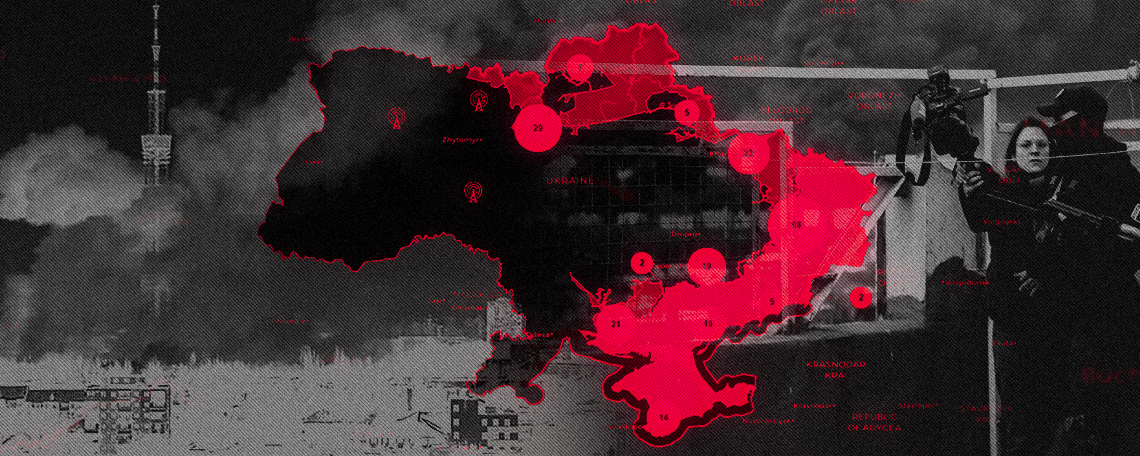
RSF Documents Over 175 Journalists Abused in Ukraine Conflict
February 12, 2026
A comprehensive analysis of United Nations initiatives and international data underscores that the safety of journalists remains a core concern for press freedom and democratic governance worldwide. The “Safety of Journalists and the Issue of Impunity,” a cornerstone of UN policy, aims to protect media workers through prevention, protection, and prosecution mechanisms and to combat the pervasive lack of accountability for crimes against the press.
Conceptual Framework: Press Freedom and Human Rights
Freedom of expression and information are foundational rights recognised under Article 19 of the Universal Declaration of Human Rights, with independent journalism essential for transparency, accountability, and informed civic participation. The UN’s multi-agency Plan of Action on the Safety of Journalists and the Issue of Impunity seeks to operationalise these standards by engaging governments, civil society, media organisations, and international bodies to create safer environments for journalistic activity and enforce legal accountability for attacks on media workers.
Global Trend Data: Declining Freedom and Rising Risks
Recent international reports indicate a troubling global decline in press freedom and journalist safety. UNESCO’s World Trends in Freedom of Expression and Media Development report (2022–2025) finds a 10 per cent decrease in freedom of expression since 2012, coupled with a significant increase in self-censorship among journalists. These trends reflect intensified threats, including physical attacks, legal harassment, detention, and online abuse, particularly targeting women and local reporters.
Additional analyses by UN human rights bodies show that attacks on journalists are not confined to conflict zones; journalists face digital and legal threats that undermine their independence and jeopardise information ecosystems. The Office of the High Commissioner for Human Rights (OHCHR) reports rising surveillance, defamation laws, and Strategic Lawsuits Against Public Participation (SLAPPs) used to intimidate journalists, highlighting the complex interplay of digital repression and traditional violations of press freedom.
Legal and Institutional Mechanisms
The UN framework emphasises multi-stakeholder collaboration to address threats systematically. This includes support for legal protections, capacity-building for security forces and judiciary officials, training for journalists, and proactive monitoring and data collection on violations. Through coordinated action with UNESCO and other agencies, the UN Plan of Action integrates monitoring, reporting, and research to identify patterns of abuse and guide responsive policy.
Impunity and Accountability
Impunity remains a central challenge: the majority of attacks on journalists go unpunished, reinforcing cycles of violence and suppression. International observances such as the International Day to End Impunity for Crimes against Journalists—a UN-recognised day on 2 November—aim to spotlight persistent failures to investigate and prosecute crimes against media workers, which undermines public trust and democratic discourse.
Implications for Policy and Practice
The research basis provided by UN agencies suggests that strengthening legal frameworks, enhancing international cooperation, and fostering resilient media ecosystems are necessary to reverse negative press freedom trends. Safeguarding journalists’ safety is integral to achieving sustainable development goals, democratic accountability, and human rights protection globally, but requires sustained political will, resources, and enforcement action at national and international levels.
Reference –