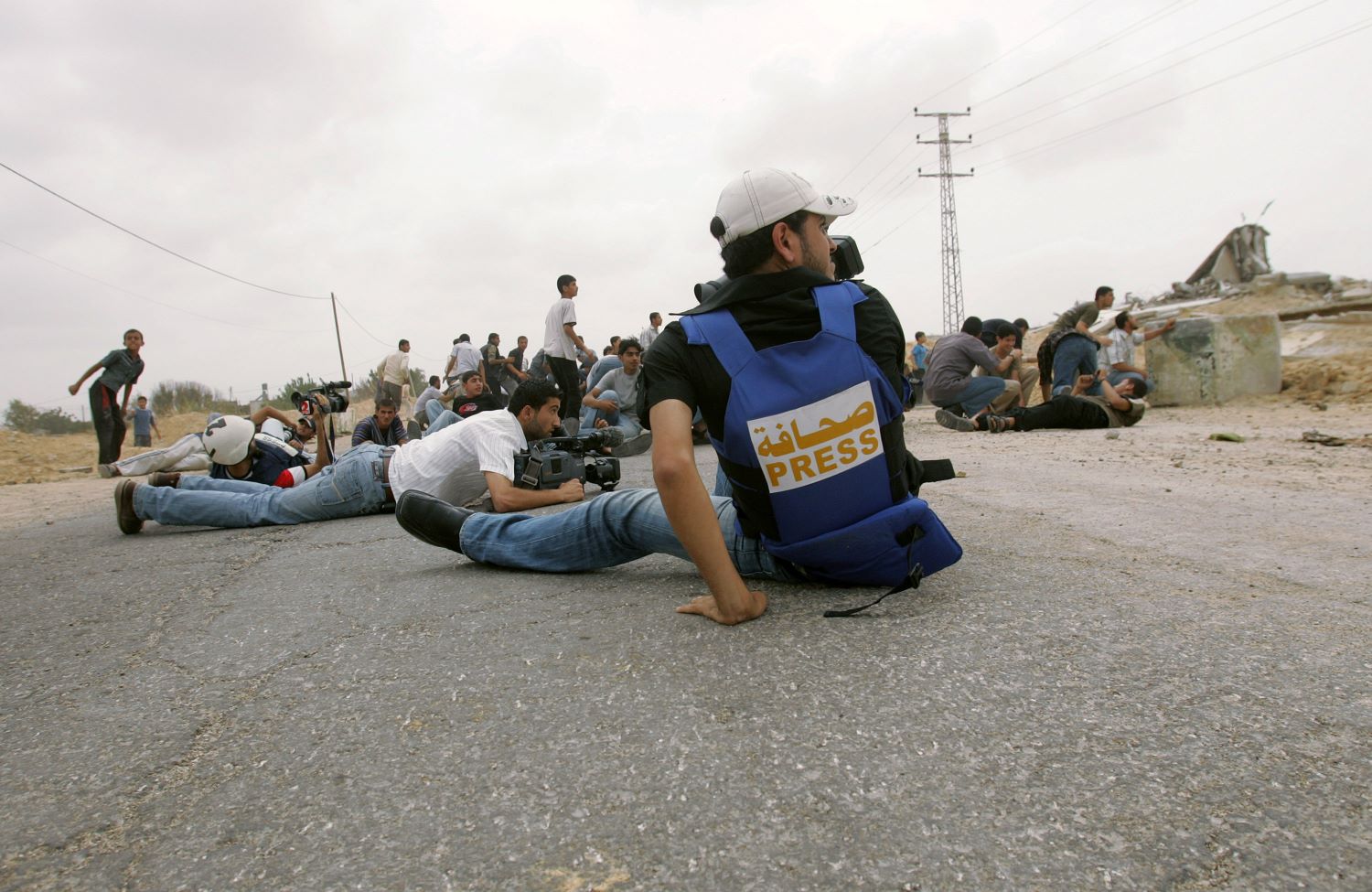
Dr Tahseen Al-Astal, the deputy head of the Palestinian Journalists’ Syndicate, has articulated a strong message about the role of media workers amid the ongoing conflict in the Gaza Strip, asserting that journalists must convey the experiences of the Palestinian people and expose what he described as a “slow-moving genocide.” The comments were made during a phone interview with Egypt’s Extra News channel on 8 February 2026, as fighting and humanitarian crises persist in the enclave.
Al-Astal said that Gaza remains under constant military pressure despite periodic announcements of ceasefires, and that heavy bombardment by Israeli forces has resulted in the deaths of more than 560 civilians, including children, women, and non-combatants, since hostilities escalated. He characterised the attacks as deliberate and part of a broader policy that he said aims to suppress and dominate the Palestinian population.
The Palestinian journalists’ representative stressed the importance of media coverage that highlights both the human toll of the war and the constraints facing civilians. He criticised what he described as restricted access to basic services and humanitarian relief, noting that border crossings such as Rafah are open only for very limited numbers of people, often allowing only a fraction of ill or wounded civilians to exit for treatment each day. Al-Astal also highlighted the degrading treatment of Palestinians by military personnel at crossing points, including physical and verbal abuse, which he said further compounds the hardships faced by ordinary residents.
Al-Astal’s remarks reflect broader concerns raised by journalists and humanitarian organisations about the conduct of the conflict and the challenges of covering events under conditions of warfare and restricted movement. Advocates of press freedom in the region argue that reporting on such issues is vital to informing global audiences about the realities on the ground and to counter narratives that may obscure civilian suffering.
The statements also underscore the contested nature of information and wartime reporting, where media professionals often navigate political pressures, security constraints, and competing narratives while attempting to document events that have profound humanitarian implications. Al-Astal’s call to “expose genocide and convey the people’s message” encapsulates a perspective held by many journalists covering the conflict who believe their work is integral to revealing civilian experiences and challenging official accounts.
Reference –
https://saba.ye/en/news3643159.htm