Rights Groups Appeal to UN Over Detention of Kashmiri Journalist Irfan Mehraj
February 9, 2026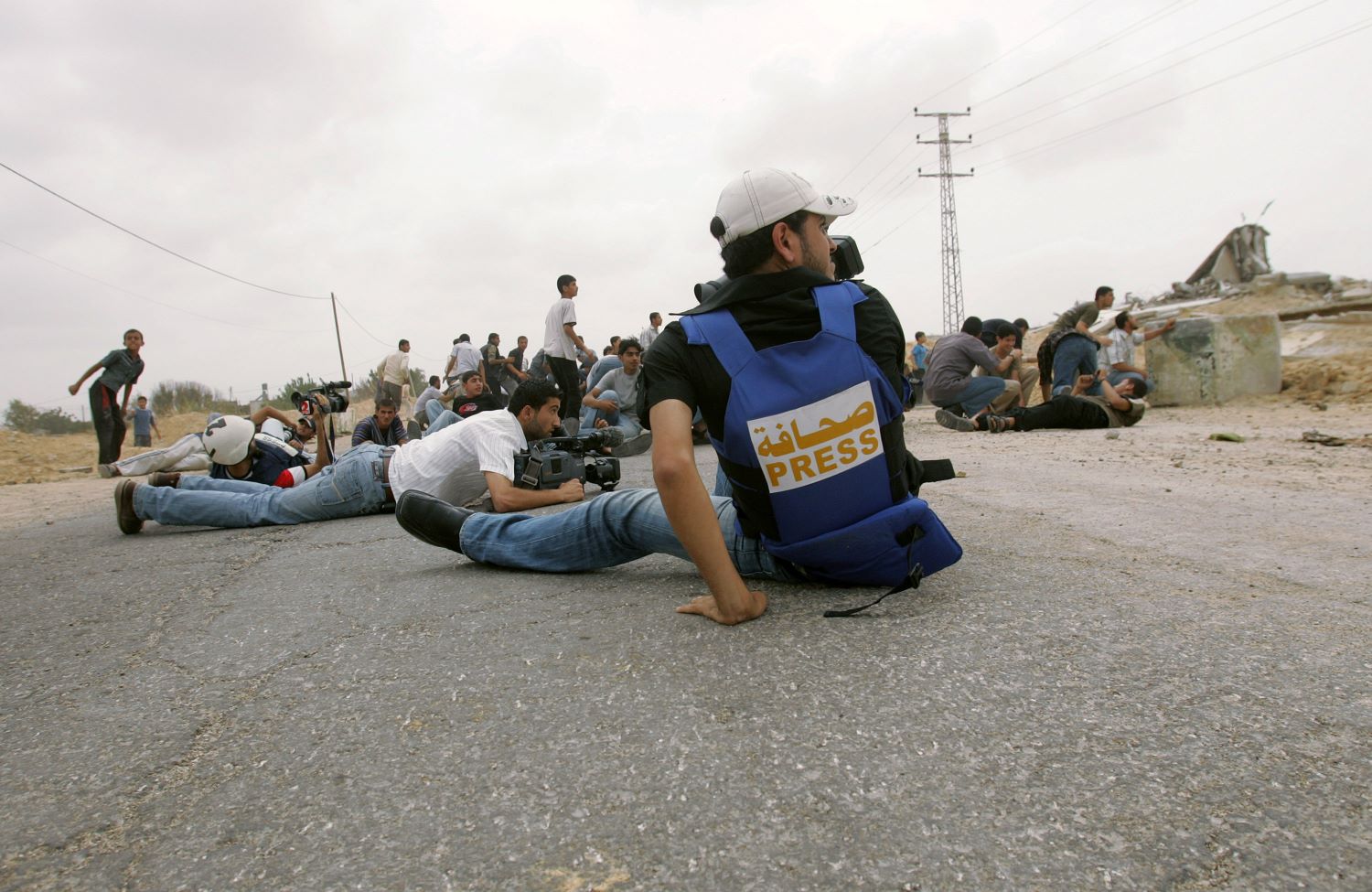
Palestinian Journalists Say Their Mission Is to Expose Genocide
February 9, 2026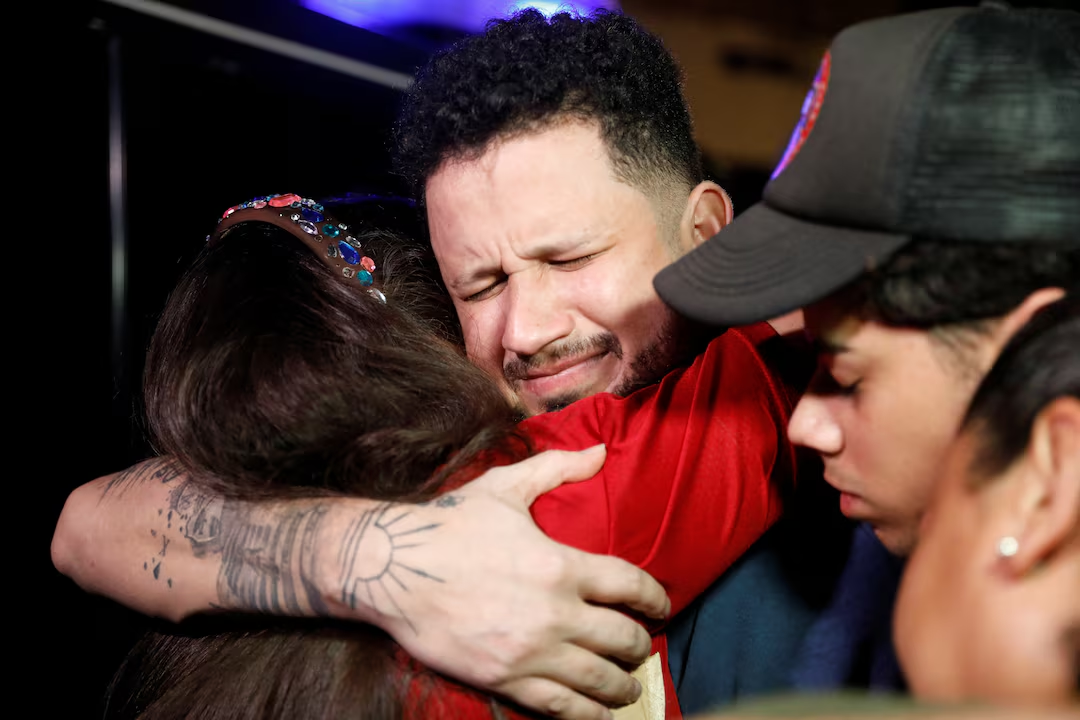
February 09, 2026 – Venezuela –
Several Venezuelan political prisoners were reunited with their families on 8 February 2026 following a series of releases ordered by the acting government in Caracas, marking a notable moment in the nation’s ongoing political transition and efforts to address international calls to free detainees held on politically charged charges. The releases and reunions occurred against the backdrop of broader prisoner liberation measures that have unfolded in Venezuela in recent weeks.
Family members and supporters gathered outside the Bolivarian National Police headquarters in Los Guayos as detainees were escorted out of custody to embrace relatives and friends, some for the first time in months or years. Among those released was Albany Colmenares, a political leader associated with the opposition Vente Venezuela party, who joined others in reuniting with loved ones amid emotional scenes.
The wave of releases comes after acting President Delcy Rodríguez accelerated the government’s promise to free political detainees following sustained domestic and international pressure, including from the United Nations and human rights organisations. According to civil society group Foro Penal, hundreds of Venezuelan political prisoners have been freed since early January, with estimates suggesting that more than 380 individuals have been released from custody under the new measures.
Observers say the prisoner release campaign began after the United States captured former President Nicolás Maduro and his spouse, leading to shifts in Venezuela’s political landscape and facilitating negotiations over detainees who had been held on national security or terrorism-related charges perceived by critics as politically motivated. Many of those freed were opposition figures, activists or former government critics whose imprisonment had drawn condemnation from rights groups.
While the reunions provided relief and joy for families, human rights advocates caution that the broader situation remains fraught. Critics argue that although release figures reflect progress, some individuals continue to be detained, and terms of release — including house arrest or re-arrest in certain cases — have blurred the distinction between freedom and continued restriction for some opposition figures.
The recent reunions highlight the deep personal toll of Venezuela’s political imprisonments, where families often endure extended separations and uncertainty. Amid calls for comprehensive reform and respect for human rights standards, national and international actors continue to monitor the implementation of release measures and the broader treatment of political detainees moving forward.
Reference –