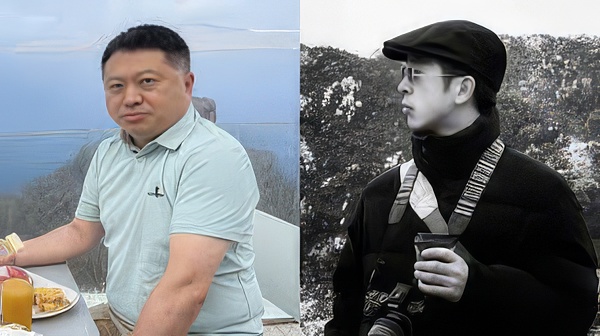
China Detains Independent Journalists Liu Hu and Wu Yingjiao After Corruption Reporting
February 4, 2026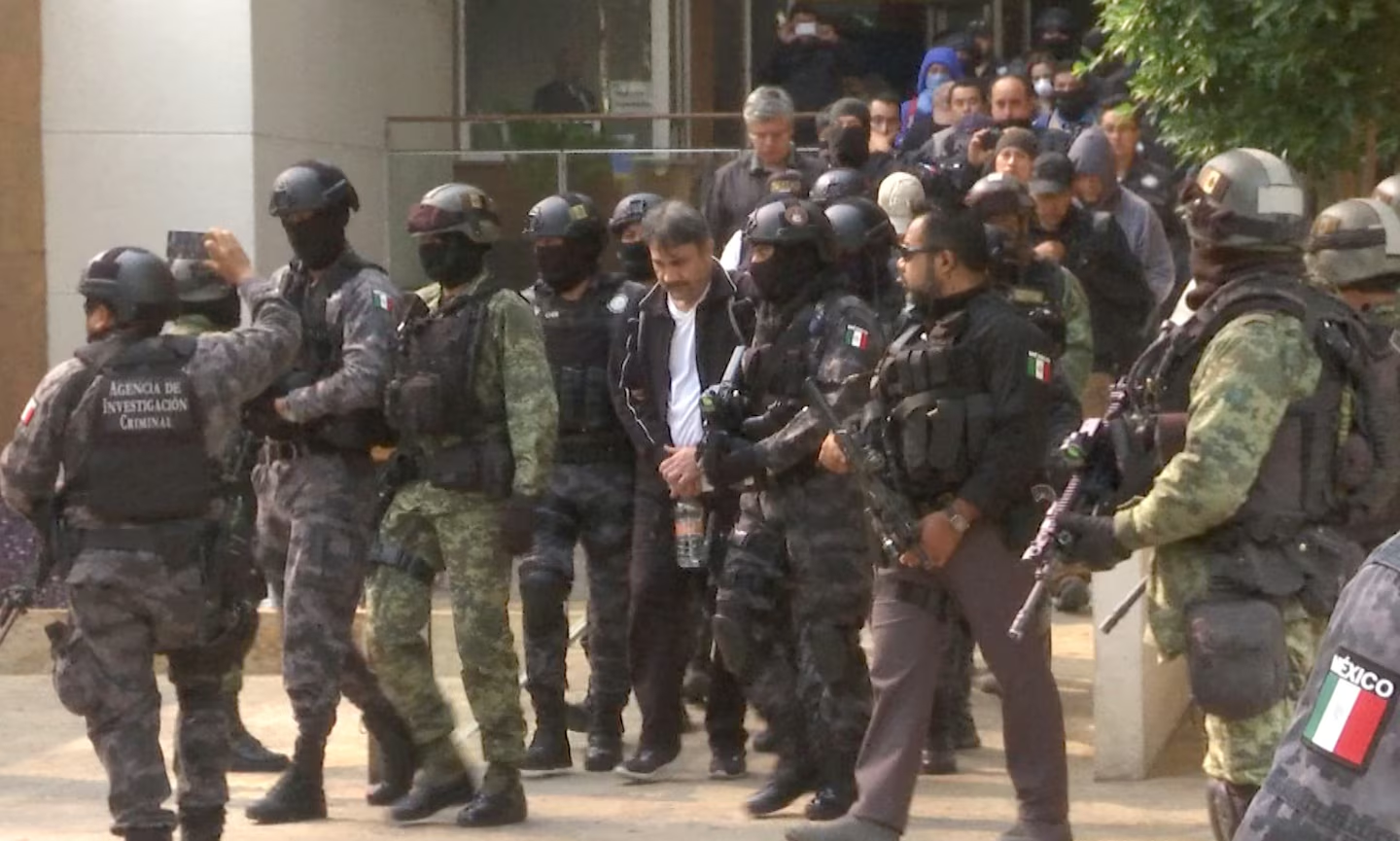
Mexican Cartel Scion Sentenced in U.S. as Long-Standing Murder Case of Journalist Javier Valdez Continues
February 4, 2026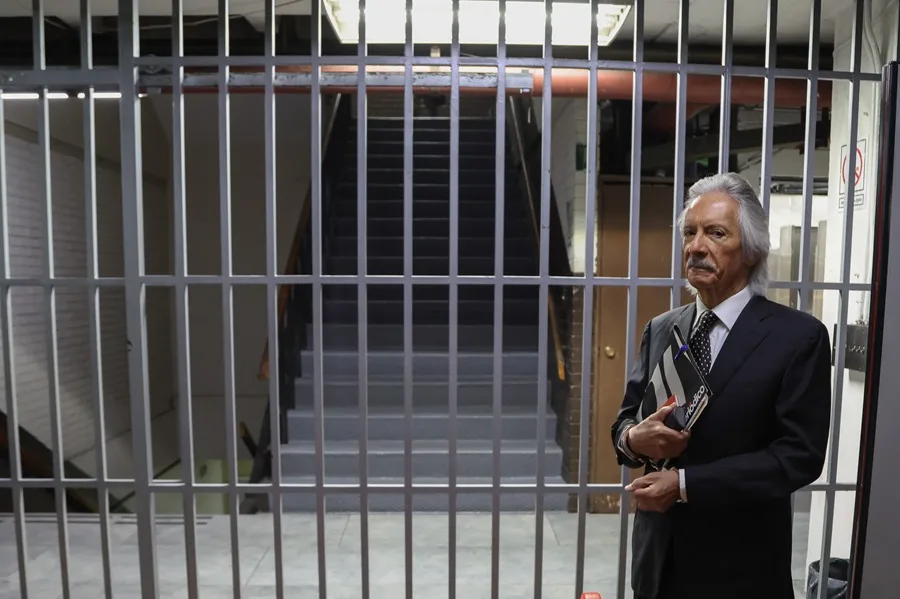
February 04, 2026 – Guatemala –
Veteran journalist and founder of the independent news outlet El Periódico, José Rubén Zamora, has publicly pleaded for his release after more than two years entangled in legal proceedings that his supporters call politically motivated and emblematic of threats to press freedom in Guatemala. Zamora’s request for freedom came as his pre-trial detention continued and his defence battled through the country’s complex judicial system.
Zamora, 68, was first arrested in August 2023 on charges including money laundering and influence peddling, allegations he and international press advocates have denied, arguing they stem from his outsized role in investigative journalism exposing corruption and abuse by powerful actors in Guatemala. After the closure of El Periódico in 2023 amid sustained legal and financial pressures, Zamora’s case has become a focal point for both domestic and international concerns about the rule of law and media freedom.
In statements made in early February 2026, Zamora reiterated that his detention is unjust, stressing that he remains ready to face a fair trial but should not languish in custody without a clear path to adjudication. His legal team reports ongoing procedural delays, including repeated postponements of hearings and challenges obtaining timely access to evidence and witness testimony — complications that Zamora’s supporters say reflect systemic shortcomings and interference within Guatemala’s judicial process.
Human rights groups and journalist organisations have criticised the case as part of a broader pattern in which legal mechanisms are used to silence scrutiny and restrict critical reporting. The Inter American Press Association (IAPA) and other media freedom bodies have documented the sustained pressure faced by independent newsrooms in the country, citing arrests, economic hurdles, and legal harassment among tactics that undermine a free press. These groups argue that the unresolved status of Zamora’s case has a chilling effect on investigative reporting nationwide.
Zamora’s situation has drawn international attention, with press freedom advocates urging Guatemalan authorities to ensure due process and to reconsider prolonged detention in cases where defendants have longstanding records of journalistic work without prior criminal conduct. They note that judicial delays, lack of transparency, and tenuous evidentiary claims risk eroding public confidence in legal institutions and signal deeper structural vulnerabilities within the justice system.
Friends, colleagues, and civil society supporters have staged vigils and symbolic demonstrations, calling on local courts and political leaders to allow Zamora access to a fair trial outside prison walls. Some legal experts suggest that procedural reforms and stronger safeguards against political influence are necessary to uphold constitutional protections and reassure both domestic and foreign observers about the integrity of Guatemala’s legal processes.
As 2026 unfolds, Zamora remains in detention while his case proceeds through Guatemala’s courts, and his plea for release underscores broader anxieties about the future of investigative journalism, transparency, and accountability in Central America.
Reference –
Journalist José Rubén Zamora pleads for his release, trapped in Guatemala’s judicial ‘labyrinth’
El periodista José Rubén Zamora pide su libertad, atrapado en «laberinto» judicial de Guatemala