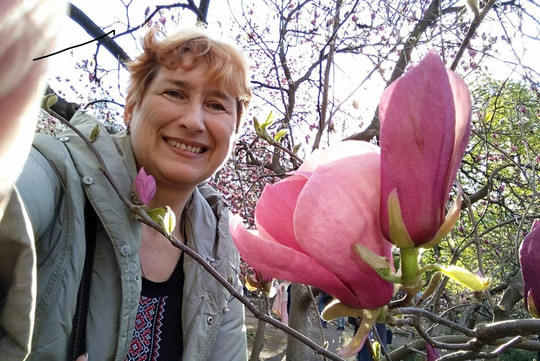
Russian authorities have added Vladyslav Balinskyi, an Odesa-based investigative journalist and environmental scientist, to an international wanted list, escalating a years-long campaign of legal pressure and public vilification over his reporting and research related to the Russia-Ukraine conflict and environmental damage in the Black Sea region. The announcement was made following a 29 January 2026 hearing in the Basmanny District Court of Moscow, according to a statement from the National Ecology Center of Ukraine.
Balinskyi, who serves as chief editor of the Zelenyi Lyst news outlet and as a hydrobiologist with the National Nature Park Tuzlivski Lymany, has been investigated in absentia since 2025 on charges brought by Russian prosecutors, including spreading “fake” information about the Russian Armed Forces and damaging war memorials. These allegations stem in part from his documentation of alleged war crimes and environmental impacts of Russian military actions, as well as his involvement in removing Soviet symbols from the Wings of Victory memorial in Odesa in September 2024 — acts interpreted by Russian authorities as criminal under their domestic law.
The National Ecology Center said Balinskyi’s placement on the wanted list reflects a broader pattern of transnational repression by Russian state bodies and affiliated media, which have long characterised his independent reporting, academic work, and environmental activism as “espionage,” “sabotage” or other hostile activity, despite his documentation being widely cited in international justice and environmental inquiries. Some Russian Telegram channels have even published public threats to his life, dehumanising him and naming him as a potential next target in a context where critics of Russia’s actions face acute risk.
Advocates stress that Balinskyi’s work goes beyond journalism to include his role as an expert witness in high-profile criminal investigations led by Ukrainian prosecutors — including probes into the Kakhovka hydroelectric power plant explosion, mass marine animal deaths in the Black Sea, and pollution linked to the wreckage of Russian tankers Volgoneft-212 and Volgoneft-239. His analysis and data are considered valuable to potential proceedings at the International Criminal Court and other accountability mechanisms, further elevating his profile and potential vulnerability.
Human rights and media freedom advocates have condemned Russia’s action as a tactic to discredit and intimidate independent specialists whose work documents environmental harm and war crimes. They are calling on Ukrainian authorities and international bodies — including the Security Service of Ukraine (SBU), the Prosecutor General’s Office of Ukraine, the United Nations, the ICC and European institutions — to step up protective, legal and diplomatic support for Balinskyi, citing obligations under international law to safeguard journalists, scientists and human rights defenders operating under threat.
Balinskyi himself has responded by emphasising that the charges and pursuit are part of a hybrid warfare strategy aimed at discrediting independent voices and curtailing environmental reporting, particularly in areas where transparency and accountability efforts gain global traction. He highlighted that Russian narratives try to cast his environmental research as cover for alleged espionage, even as his work remains rooted in scholarly and journalistic practice.
Reference –
https://ifex.org/russia-puts-odesa-based-journalist-and-environmentalist-vladyslav-balinskyi-on-international-wanted-list/