International Conference on Media Ethics, Communication, and Responsibility Announced for Berlin
February 1, 2026Call for Entries: Open the Knowledge Journalism Awards 2026 for African Journalists
February 5, 2026
The UNESCO/Guillermo Cano World Press Freedom Prize 2026 continues its tradition of highlighting courage and integrity in journalism by calling for nominations from around the world. The prestigious award recognizes individuals, organisations, or institutions that have made exceptional contributions to defending or promoting press freedom, especially in the face of danger. This global accolade carries a minimum monetary award of USD 25,000 and is bestowed each year on World Press Freedom Day, 3 May.
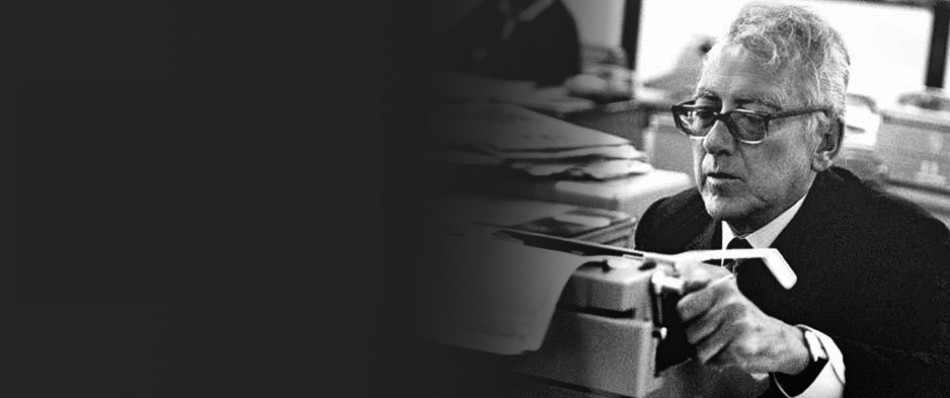
Named in honour of Guillermo Cano Isaza, the Colombian editor of El Espectador who was assassinated in 1986 for his fearless reporting on powerful drug cartels, the prize serves as a symbol of the risks journalists confront when upholding the public’s right to know. Nominations for the 2026 edition are open to UNESCO Member States and accredited international or regional non-governmental organisations involved in journalism and freedom of expression work. Each nominating entity may propose up to three candidates.
Eligible nominees can include journalists, media outlets, advocacy groups, academic bodies or institutions active in advancing press freedom across any media platform — from traditional print and broadcast to digital media. Self-nominations are not permitted; submissions must be made by recognised entities qualifying under UNESCO’s rules. An independent international jury of six experts, representing UNESCO’s global regions and diverse media forms, reviews all nominations and advises the UNESCO Director-General on the final selection.
The award’s impact extends beyond symbolic recognition. Past laureates have included journalists and media organisations who continued reporting under threat or imprisonment, such as the Palestinian journalists covering the Gaza conflict, the Nicaraguan newspaper La Prensa, and notable figures like Nobel laureate Maria Ressa and Iranian journalists Niloofar Hamedi and Elaheh Mohammadi. These recognitions highlight the global struggle for media freedom and help bring international attention and protection to individuals and organisations working under severe constraints.
The Prize also includes a certificate and a symbolic object, with laureates often invited to participate in UNESCO events and discussions related to journalistic freedom and media rights. The nomination deadline for the 2026 prize is 15 February 2026, after which the jury’s deliberations will culminate in an announcement ahead of World Press Freedom Day.
Reference –
https://www.unesco.org/en/prizes/cano