Sweden Rejects Turkey’s Bid to Question Journalist
January 31, 2026
National Press Club Highlights Press Freedom Concern Over Jimmy Lai’s Long Detention
January 31, 2026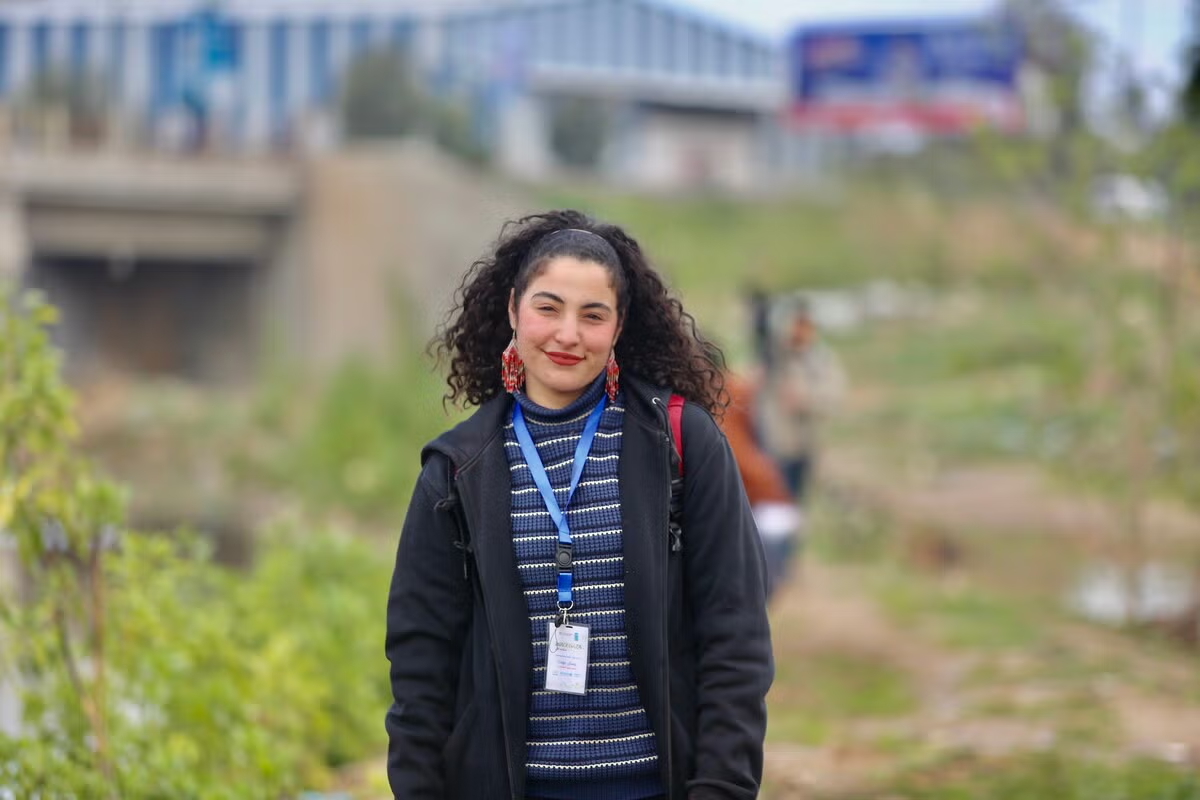
January 31, 2026 – Palestine –
regained access to her TikTok account after it was briefly removed from the platform, sparking international concern over digital censorship and press freedom. The account, which has approximately 1.4 million followers, was restored late on January 29, 2026, following a public outcry from media organisations, nongovernmental advocacy groups, and global audiences.
Owda, who is known for her daily updates documenting civilian life amid the Israel-Gaza conflict, told Al Jazeera that she believed the international attention and pressure helped prompt TikTok to reinstate her account. Users now must search her full username to locate it on the platform, and the visibility of her videos appears to be limited as many posts are reportedly “ineligible for recommendation” under the platform’s updated content policies.
The journalist first reported the account removal on social media earlier in the week, saying she received a notification that her profile had been permanently banned. At the time, she had amassed her large following over the years by documenting the impacts of conflict, shortages of food and medical care, and community resilience, often beginning her clips with a personal greeting that humanised the experiences of civilians under siege.
Owda’s TikTok presence, alongside her broader online reporting and documentary work with Al Jazeera’s AJ+, has played a significant role in global coverage of the war in Gaza, allowing audiences around the world to hear directly from someone living amid ongoing hostilities. Her social media reporting has been featured and cited by major international outlets and has earned awards for its storytelling impact.
The temporary removal of her account drew criticism from press freedom advocates, who warned that major platforms must be careful not to amplify censorship or restrict voices from conflict zones. Critics also noted that restrictions or bans on independent accounts can severely limit access to on-the-ground perspectives, particularly where accredited foreign journalists face access barriers.
Owda’s case highlights broader debates about the responsibilities of social media platforms in moderating content that intersects with political conflict and humanitarian reporting, and whether increased regulation or ownership changes could influence the visibility of journalists covering highly sensitive situations.
Reference –


