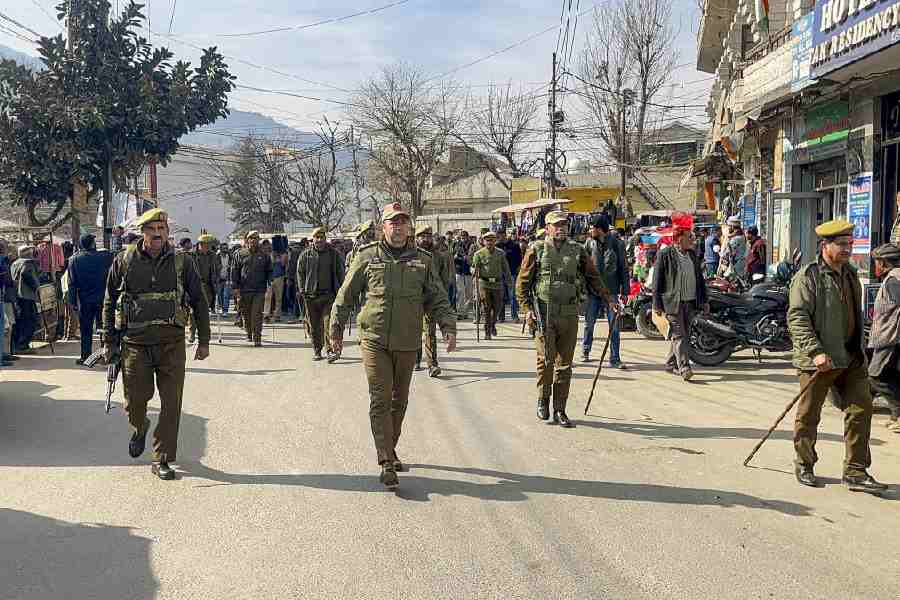
Kashmiri Journalist Held After Reporting on Road Closure Sparks Political Outcry
February 1, 2026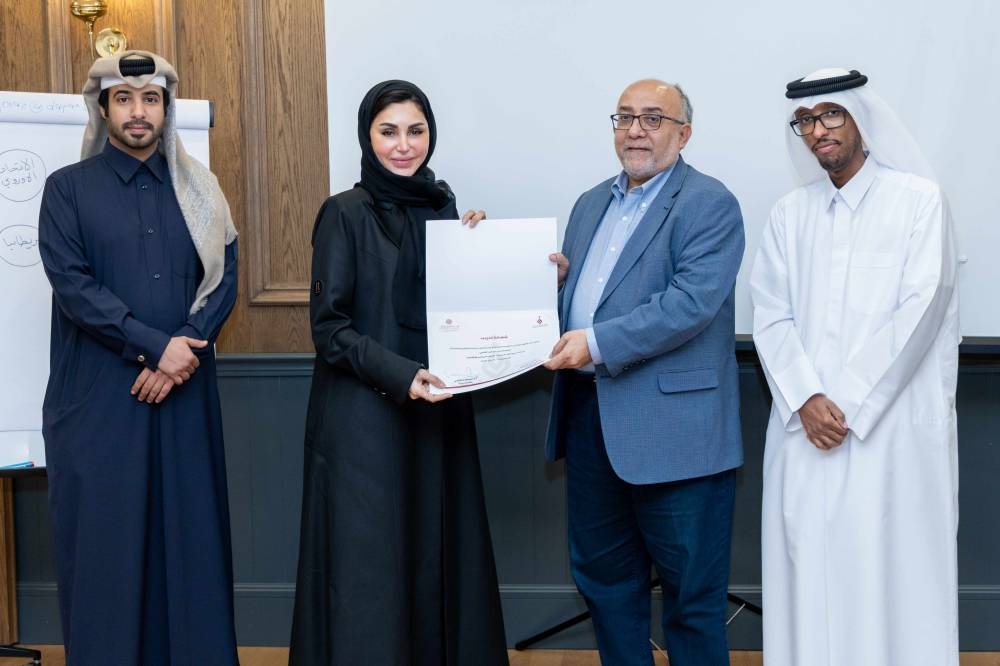
Qatar Press Centre Launches Advanced Training in Political Analysis for Journalists and Diplomats
February 1, 2026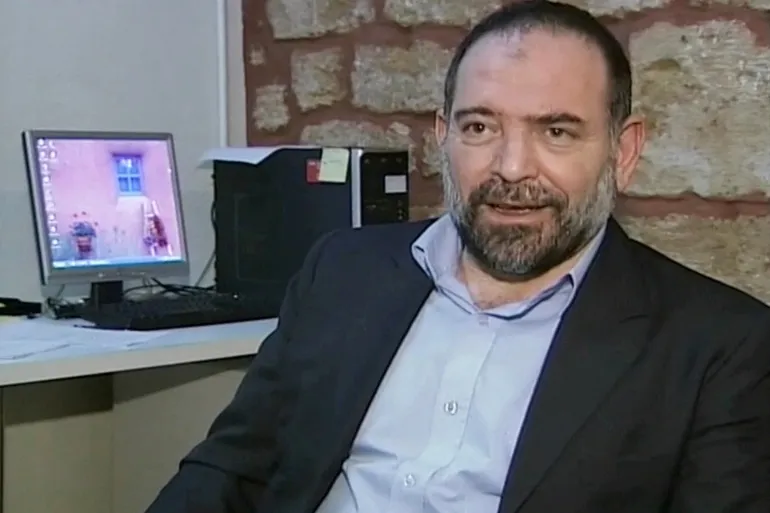
February 01, 2026 – Lebanon –
On February 04, 2026, five years after the assassination of prominent Lebanese activist, publisher, and critic Lokman Slim, his family and supporters continued to demand accountability as the official investigation remained stalled and without charges or arrests. Slim’s death on February 4, 2021, at age 58, has become emblematic of Lebanon’s enduring culture of impunity surrounding politically sensitive killings.
Slim, a Seventh Day activist and co-founder of the Umam Documentation and Research Centre, was a vocal critic of entrenched political power structures in Lebanon, including the Shiite movement Hezbollah, and worked for decades to document Lebanese history and promote civil society engagement. He also co-ran Hayya Bina (Let’s Go), a civic organisation that hosted cultural and political discussions on pressing national issues.
In the early hours of February 4, 2021, his body was found in his rented car on a southern Lebanon road between Addousiyyeh and Tefahta, having been shot multiple times — five shots to the head and one to the back, according to forensic reports. He had been last seen the night before after leaving a friend’s home in Niha, and his disappearance quickly prompted alarm among colleagues and civil society figures.
Slim’s assassination occurred against a backdrop of political tensions and a history of unresolved murders targeting journalists, activists, and critics in Lebanon. Human rights groups, including Human Rights Watch and Amnesty International, criticised the slow pace and procedural failings of the official investigation, noting that crime scene protocols were overlooked and that authorities failed to preserve key evidence. The case’s lack of progress has heightened fears that politically charged killings will continue to go unpunished, reinforcing a sense of lawlessness and discouraging public dissent.
Slim’s widow, German filmmaker Monika Borgmann, previously emphasised that although the investigation remained open, no suspect had been identified, charged or arrested, and she reiterated calls for transparent and credible justice. Friends and colleagues also organised commemorative exhibitions and events at the Hangar cultural centre — part of the Umam project — to preserve Slim’s legacy and continue his effort to confront Lebanon’s painful history.
Observers and rights advocates argue that the unresolved nature of Slim’s death underlines the broader challenges facing freedom of expression and civil society in Lebanon, where political violence and judicial inertia persist, and where activists confront significant risks for speaking out against powerful actors.
Reference –
https://www.aljazeera.com/news/2022/2/3/assassination-of-activist-lokman-slim-in-lebanon-one-year-on


