German Journalists and Activists Detained in Turkey During Kurdish Solidarity Mission
January 31, 2026
Citizen Journalists in Minneapolis Lauded as Essential Recorders of the City’s Unrest
January 31, 2026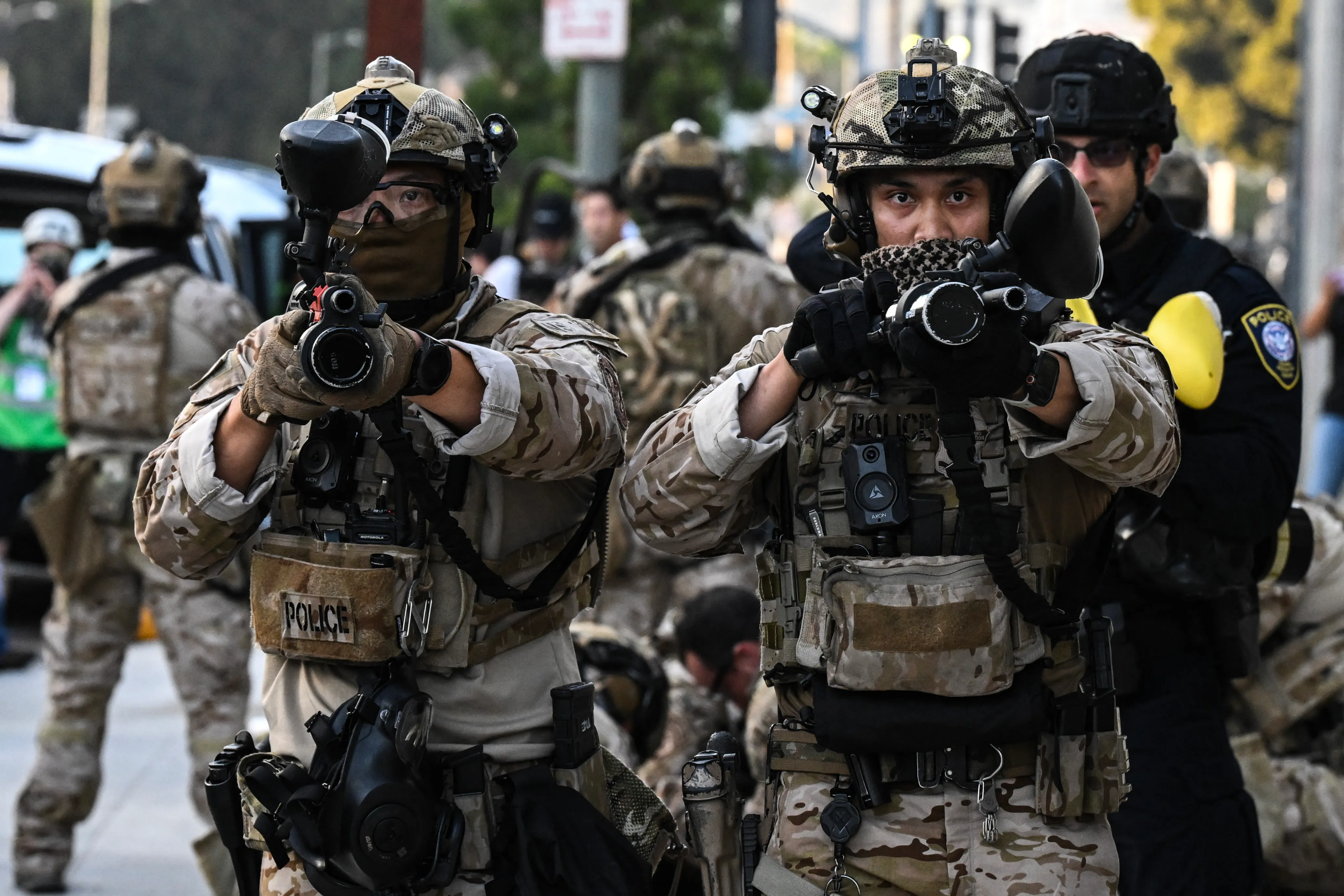
January 31, 2026 – USA –
Two major U.S. journalism organisations—the Asian American Journalists Association (AAJA) and the National Association of Hispanic Journalists (NAHJ)—have issued a joint call for enhanced safety protections for journalists covering immigration enforcement actions and related public demonstrations. Their statements, released on January 29, 2026, come amid an uptick in both federal immigration raids and large-scale protests where authorities have increasingly confronted reporters alongside demonstrators.
In separate but coordinated press releases, the AAJA and NAHJ outlined specific concerns about the physical risks, intimidation, and obstructions to reporting that media professionals have faced in recent months. These include incidents where journalists were struck by projectiles, detained, or impeded while documenting immigration raids carried out by U.S. federal agencies, as well as episodes of aggressive crowd control during protests. Both organisations emphasised that coverage of immigration policy enforcement is a core journalistic function with significant public interest impact, and that journalists must be able to do their work without fear of violence or arbitrary interference.
The statements noted that journalists reporting these events have encountered safety challenges even when clearly identified as press. Among the shared instances cited were situations in which law enforcement did not differentiate between reporters and participants in protests, leading to escalation and targeting of media personnel in chaotic environments. The AAJA and NAHJ said such dynamics not only endanger journalists but also deprive the public of reliable, firsthand information during moments of societal tension.
AAJA President Lourdes Quiñones stressed that frontline journalism covering sensitive policy actions is vital to democratic accountability. She argued that media workers, including those from immigrant-serving and community news outlets, require clear, enforceable safety protocols and cooperative engagement from authorities to ensure both their security and continued access to public events. NAHJ leadership echoed this stance, underscoring that journalists from diverse linguistic and cultural communities often face added challenges while covering complex immigration issues and public demonstrations.
Both associations called on law enforcement agencies at all levels—federal, state, and local—to adopt and uphold standards that protect press access and safety, including training officers to recognise and respect press credentials, minimise physical interference with reporting activities, and communicate more effectively with media onsite. They also urged newsrooms to provide robust safety training and support to journalists assigned to high-risk coverage beats such as immigration enforcement and large protests.
The advocacy from AAJA and NAHJ comes amid broader discussions in the U.S. about the rights and protections of journalists covering contentious policy areas, particularly immigration, policing, and civil unrest. By spotlighting repeated safety incidents, the groups are seeking greater recognition of journalists’ rights under both U.S. law and international press freedom standards, as well as encouraging cooperative practices between media and authorities to safeguard reporters in the field.
Reference –
https://www.aaja.org/2026/01/29/aaja-protect-journalists-covering-immigration-raids-and-protests/
https://nahj.org/nahj-protect-journalists-covering-immigration-raids-protests/