US Sentences Man to 15 Years for Plot to Kill Iranian-American Journalist
January 29, 2026
UK Regulator Proposes Giving Media Outlets Control Over Google AI Use of Content
January 29, 2026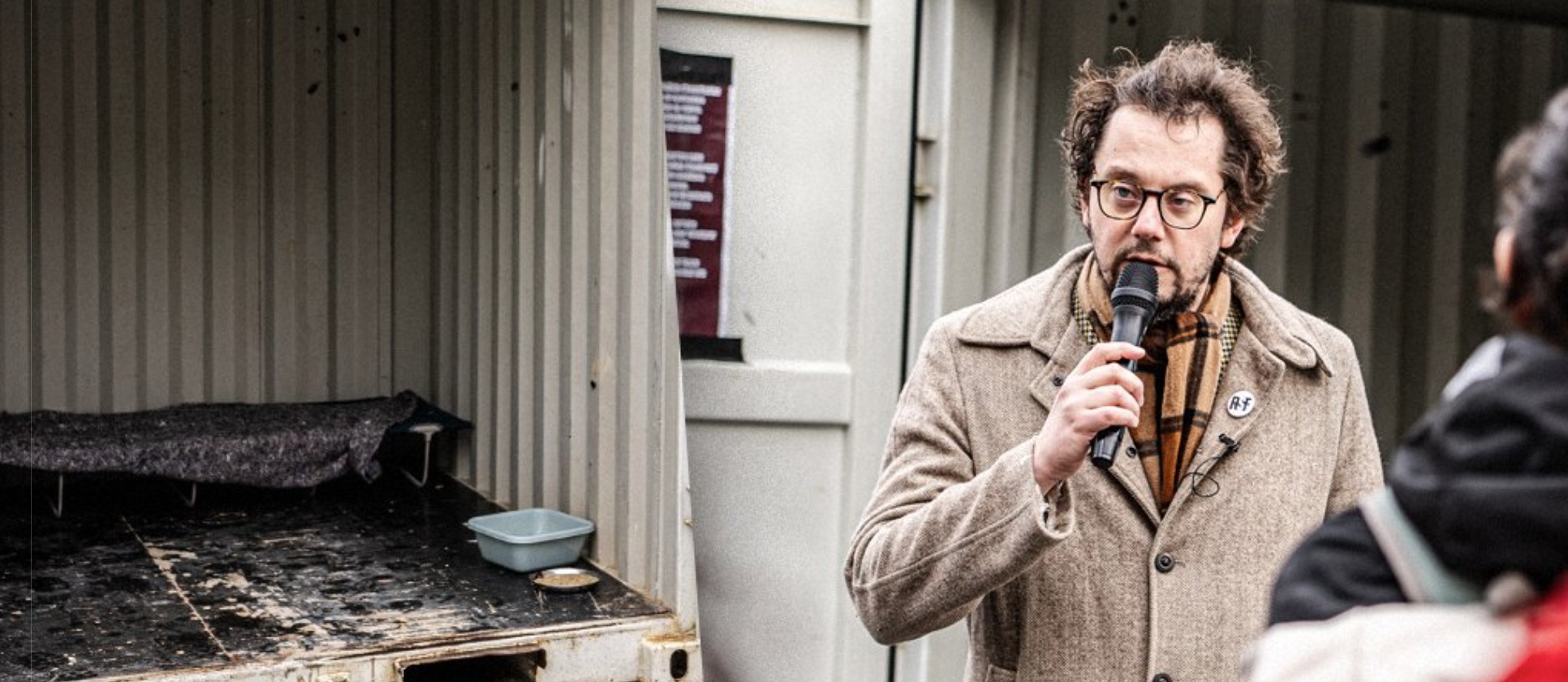
January 29, 2026 – Azerbaijan –
Reporters Without Borders (RSF) has launched a series of public awareness actions in European capitals aimed at drawing attention to the plight of Sevinj Vagifgizi and other incarcerated journalists in Azerbaijan, where authorities have used prison as a means to suppress independent media work. The campaign, carried out on January 28, 2026, included life-sized replicas of confinement spaces installed in prominent locations in Paris, Berlin, and Bern to symbolise the restrictive conditions under which at least 25 journalists are currently held.
Vagifgizi, the editor-in-chief of independent outlet Abzas Media, has been imprisoned for roughly 800 days following her arrest in November 2023 during a return from Istanbul. She and her Abzas Media colleagues were later given long sentences of seven to nine years on charges such as “smuggling foreign currency” and related offences, widely regarded by international rights groups as politically motivated in retaliation for investigative reporting on corruption. Vagifgizi and her co-defendants have denied wrongdoing and framed their prosecution as punishment for their journalism.
The replicated confinement units, roughly the size of the solitary-like cells in which Vagifgizi and others are held, were deliberately stark. RSF observers pointed out that the interior of these units mirrored reports from detainees about minimal space, limited access to water and sanitation, lack of cleaning opportunities, and isolation from human contact. RSF representatives said the installations sought to convey the physical and psychological strain journalists endure simply for performing independent reporting. They argued that prison in Azerbaijan has become “a tool of censorship,” used to deprive journalists of basic conditions and thereby inhibit their capacity to communicate and publish freely.
Testimonies from jailed media professionals, including Abzas Media members, have described denial of adequate medical care, restricted access to basic hygiene, and punitive transfer to remote facilities that further isolate them from families and legal support. Reports also indicate that some detainees have had to pay inflated prices for medicine and treatment under detention, and that guards have at times withheld personal belongings as additional punishment. These accounts have been cited by press freedom advocates as evidence of how punitive detention conditions compound the injustice of politically charged prosecutions.
RSF’s actions are part of a broader campaign to place international pressure on Azerbaijani authorities and to highlight systemic removal of media freedom in the country. By inviting the public to view and enter the recreated cells, RSF aimed to underscore that imprisoned journalists, despite severe restrictions, continue to symbolise the struggle for independent news and accountability. The organisation has repeatedly called for the immediate release of Vagifgizi and her colleagues — framing their continued imprisonment as emblematic of wider repression of the free press in Azerbaijan.
Reference –