Turkish Prosecutors Indict YouTube Journalists over “Insulting” President Erdoğan
January 28, 2026
Myanmar Photojournalist Myat Thu Kyaw Seriously Injured in Alleged Prison Assault
January 29, 2026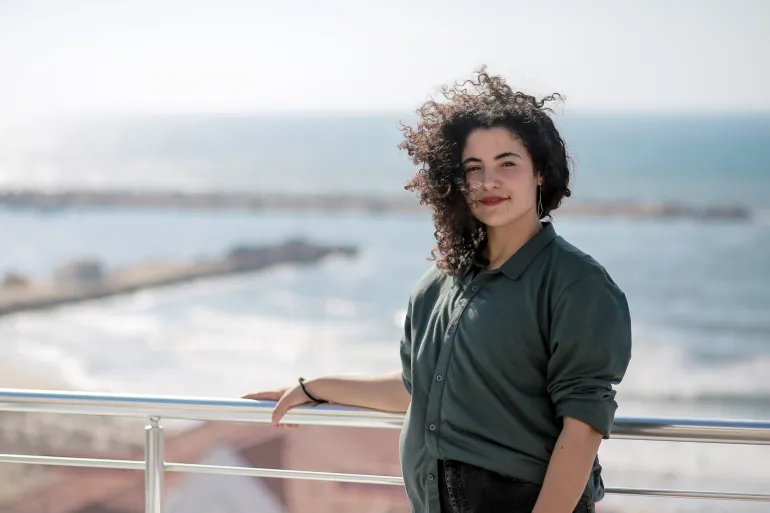
January 29, 2026 – Palestine –
Palestinian journalist and filmmaker Bisan Owda, known for her extensive social media reporting from Gaza, has said her TikTok account was permanently banned, a move she linked to recent changes in the platform’s ownership and moderation policies in the United States. Owda’s account, which had amassed around 1.4 million followers, was widely used to share firsthand reporting on life and civilian conditions in the Gaza Strip amid ongoing conflict. She disclosed the ban in posts on other social platforms, including Instagram and X, saying she was informed of the restriction in late January 2026.
Owda, who won international recognition for her wartime reporting—including an Emmy Award and other honours for her documentary work—has often relied on social media platforms like TikTok to reach global audiences, especially given limited access for foreign news crews. Her reporting typically includes daily updates from Gaza, where she and her family remain, documenting destruction, shortages of essential goods, and effects of the Israel-Palestine conflict on civilians. The ban has drawn attention to broader concerns about how platform governance and content moderation decisions can affect journalists and citizen reporters in conflict zones.
In her public statements about the ban, Owda suggested that it came shortly after TikTok’s acquisition by new US investors, a development that may have coincided with changes in the app’s moderation practices that affect Palestinian content. She did not detail whether she received official reasons from TikTok for the ban, but her supporters say the decision represents a broader pattern of digital censorship faced by Palestinian journalists and activists online.
Critics of TikTok’s approach argue that restrictions on accounts documenting conflict can limit independent perspectives and reduce visibility of human-impact reporting. Advocates for digital rights have previously raised similar concerns about content removal or reduced reach for journalists and activists reporting from Gaza, contending that platform policies sometimes disproportionately affect voices sharing on-the-ground experiences.
Owda’s TikTok ban has prompted discussion among media freedom observers about the role of major social platforms in shaping narratives and controlling access to information from regions where traditional media access is constrained. At the same time, Owda’s presence and influence on other platforms continue to draw international attention to conditions in Gaza, underscoring the evolving challenges of digital journalism in conflict environments.
Reference –


