Lebanese Journalist Summoned Over Criticism of President Aoun’s Policy
January 26, 2026
Israel Extends Ban on Al Jazeera Media Network and Expands Restrictions
January 26, 2026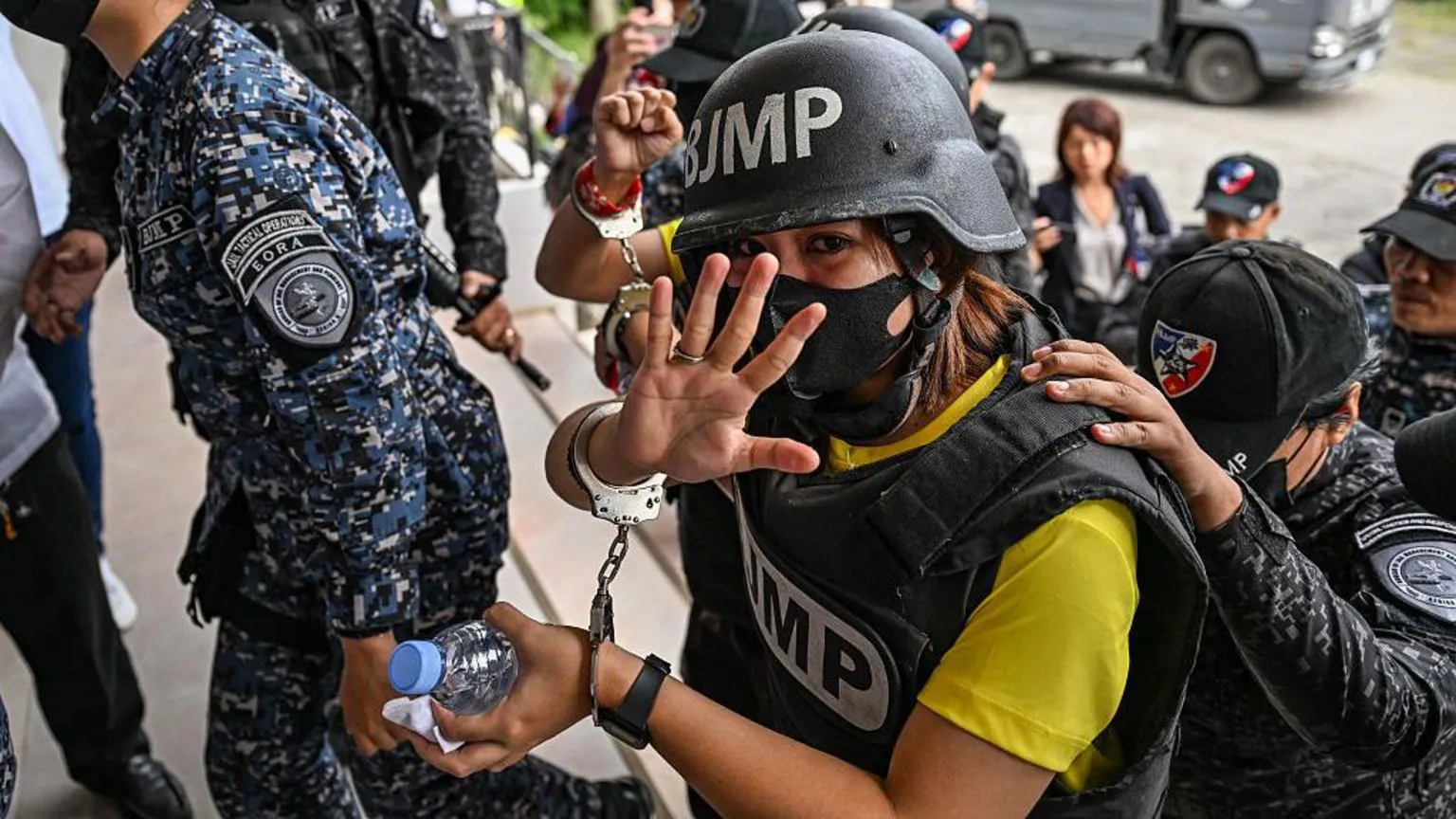
January 26, 2026 – Philippines –
A Regional Trial Court in Tacloban City, Philippines, has convicted Filipino journalist Frenchie Mae Cumpio and human rights advocate Marielle Domequil on charges of financing terrorism, issuing prison sentences ranging from approximately 12 to 18 years. The verdict was delivered on January 22, 2026, concluding a legal case that had drawn widespread international attention and condemnation from press freedom groups.
The case originated in February 2020 when Cumpio, then executive director of the local news outlet Eastern Vista and a radio news anchor, and Domequil were arrested alongside other activists during police raids in Tacloban City. Initially charged with illegal possession of a firearm and explosives, those charges were later dismissed by the court, but the terrorism financing charge remained and formed the basis of the conviction. Both defendants have long maintained their innocence.
Under Philippine law, the terrorism financing charge stems from allegations that they provided material support to the New People’s Army, a communist insurgent group. Cumpio and Domequil were acquitted of the lesser weapons charges, but the court ruled there was sufficient evidence to uphold the terror financing accusation. They now face minimum sentences of about 12 years and potential maximum terms up to 18 years.
The ruling has provoked strong pushback from media watchdogs and human rights organisations. The International Federation of Journalists (IFJ) and the National Union of Journalists of the Philippines (NUJP) denounced the conviction, calling it a severe violation of press freedom and urging authorities to reform how “anti-terror” laws are applied against journalists and civil society members. United Nations Special Rapporteur Irene Khan and global press freedom advocates have similarly criticised the prolonged pretrial detention, noting that Cumpio had spent nearly six years in custody before conviction, which they argue reflects broader risks to independent journalism in the Philippines.
Press freedom groups such as Reporters Without Borders (RSF) labelled the verdict a “clear miscarriage of justice,” contending that the charges were fabricated and that Cumpio’s reporting work, particularly on alleged abuses and systemic issues, placed her at risk of political targeting. The case has highlighted concerns about the use of counterterrorism laws to suppress dissenting voices and critical reporting, with some observers warning that it could chill press freedom nationwide.
Cumpio’s legal team has indicated plans to appeal the decision, and international supporters continue to call for her release, framing her case within a larger struggle for journalistic freedom in the region.
Reference –
https://www.theguardian.com/world/2026/jan/22/frenchie-mae-cumpio-philippine-journalist-found-guilty