
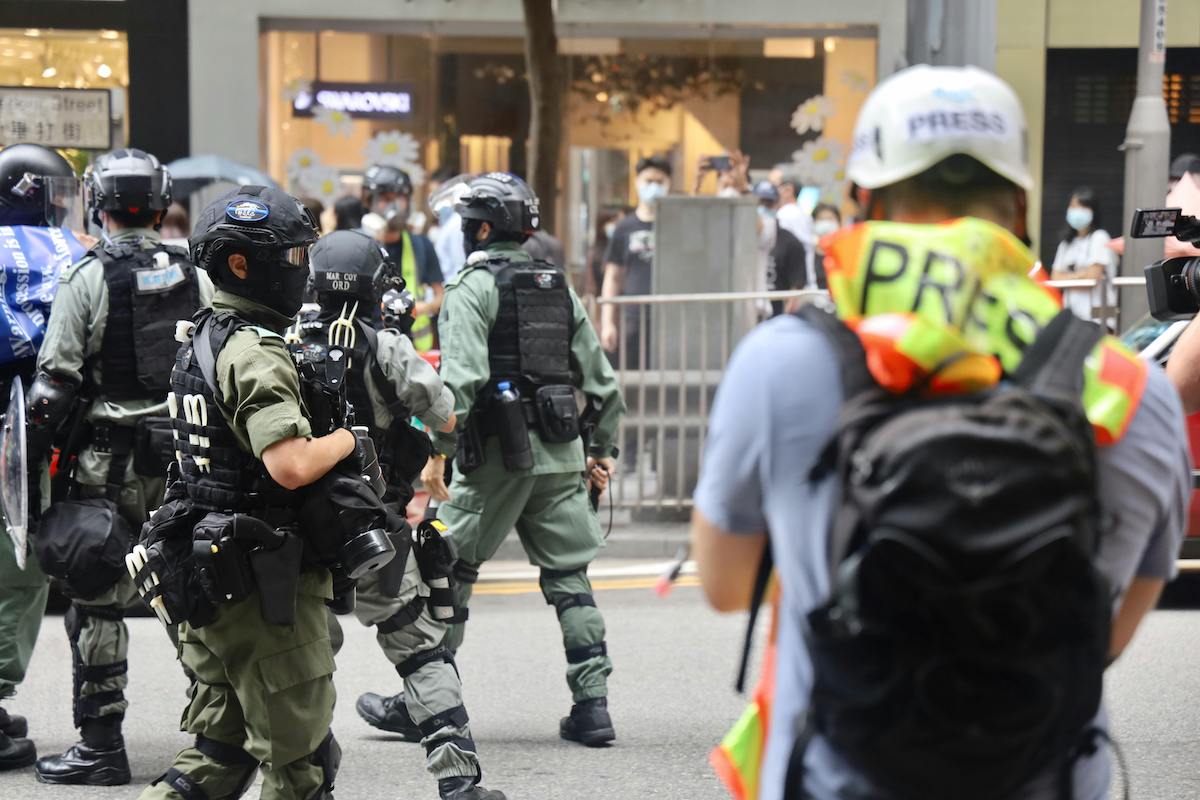
Safety Strategies for Journalists Covering Protests
January 22, 2026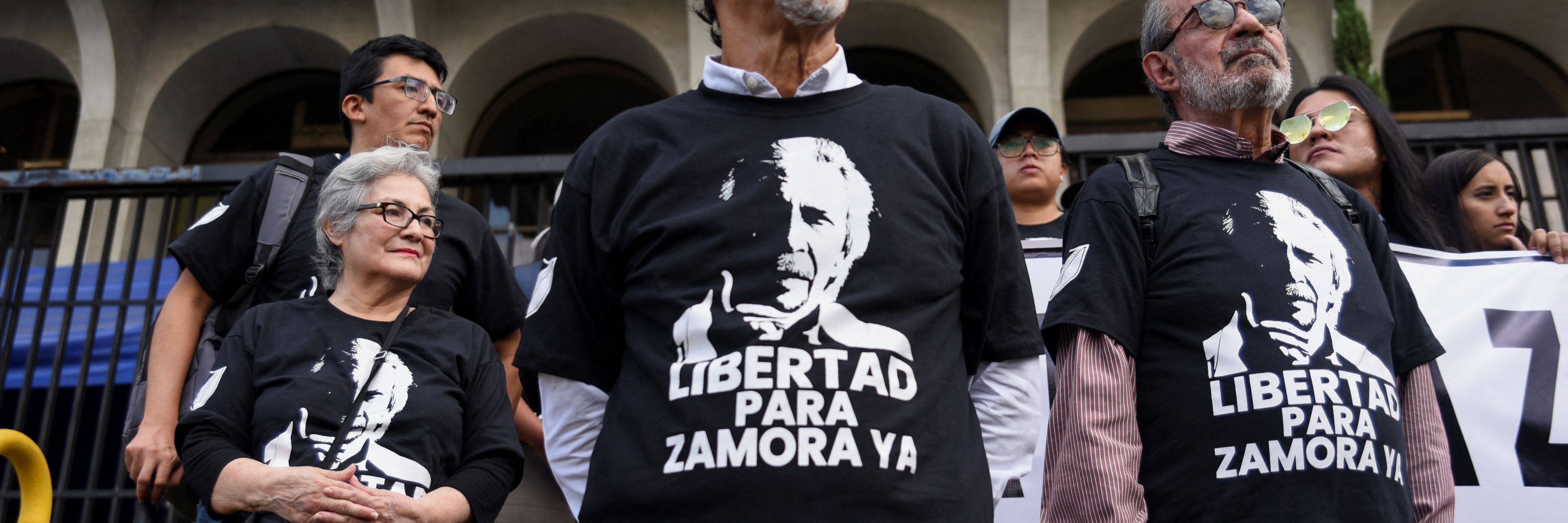
Global Report Shows Journalist Jailings “Stubbornly High” in 2025 With Pervasive Harsh Prison Conditions
January 25, 2026
Climate change and environmental degradation pose existential threats to communities across Africa, yet journalists covering these issues frequently confront significant barriers that undermine press freedom, safety, and the quality of reporting. The International Press Institute (IPI) — together with partner organisations — has documented these challenges in research programmes and monitoring initiatives aimed at strengthening climate and environmental journalism in Africa, highlighting patterns of risk, structural obstacles, and potential support strategies.
The Continental Context: Environmental Vulnerability Meets Limited Coverage
Africa’s climate vulnerability is well established: the continent faces rising temperatures, extreme droughts, floods, deforestation, biodiversity loss and water scarcity that directly affect livelihoods and public health. Yet these impacts — shaped by socioeconomic inequities and governance deficits — are often under-reported or misrepresented in media coverage due to resource constraints and limited newsroom capacity. Robust local journalism remains vital to bridge this information gap and inform both policy and public action.
Despite the urgency, climate and environmental reporting face multiple pressures, including threats to journalists’ safety and freedom of expression. IPI and related research note that environmental reporters worldwide — including in Africa — are subjected to physical attacks, legal harassment, online intimidation, and restricted access to information, especially when investigations challenge state or corporate interests linked to extractive industries or environmental harm.
Research Findings: Threats and Constraints
IPI’s monitoring and research highlight the following trends affecting climate and environmental journalism:
- Targeted harassment and legal risks: Journalists investigating pollution, land grabbing, extractive industry wrongdoing, or climate governance often face intimidation, legal harassment, and censorship pressures from state and non-state actors intent on suppressing critical reporting.
- Safety hazards: Environmental reporting can involve dangerous fieldwork in remote regions experiencing conflict, environmental degradation, or restrictive governance, exposing journalists to physical threats and legal jeopardy.
- Information barriers: Limited access to reliable climate data and government transparency hinders evidence-based reporting and amplifies misinformation, constraining journalists’ ability to hold power to account.
- Institutional gaps: Many newsrooms lack specialised training, financial resources, and editorial support to pursue complex environmental investigations, reducing the visibility of climate stories despite their societal importance.
Strategic Responses: Protecting and Empowering Journalists
IPI and other stakeholders advocate for multifaceted support frameworks, including:
- Safety and legal protections: Press freedom organisations recommend legal reforms to safeguard journalists against retaliatory prosecution, unfounded litigation, and threats — both offline and online — particularly for freelance and local reporters operating without institutional backing.
- Capacity building: Training, mentoring, and collaborative networks are critical to enhance reporting skills on scientific, policy, and investigative dimensions of climate and environmental issues and to enable journalists to translate complex data into stories that resonate with diverse audiences.
- Multistakeholder coalitions: Partnerships among media outlets, civil society, academic institutions, and international donors can increase resources, data access, and cross-border collaboration, reinforcing journalists’ ability to cover transnational environmental crises.
Implications for Press Freedom and Climate Discourse
The research underscores that climate and environmental journalism is not merely a specialist beat but a cornerstone of accountable governance and public awareness. In Africa, where environmental shifts are acute and democratic accountability varies widely, supporting such journalism is imperative for informed public debate, community resilience, and equitable climate action. Strengthening press freedom protections, enhancing safety mechanisms, and investing in newsroom capacity are essential steps toward making environmental reporting both feasible and impactful in contexts where risks to journalists remain significant.
Reference –
Report: Africa Monitoring of Climate and Environmental Journalism
IPI Monitoring Report: Climate and environmental journalism in Africa