Slovakia Faces Fresh Frustration as Retrial of Jan Kuciak Murder Mastermind Nears After Previous Acquittals
January 23, 2026
Kurdish Journalist Serdar Altan Sentenced to Prison in Turkey Over Social Media Posts
January 23, 2026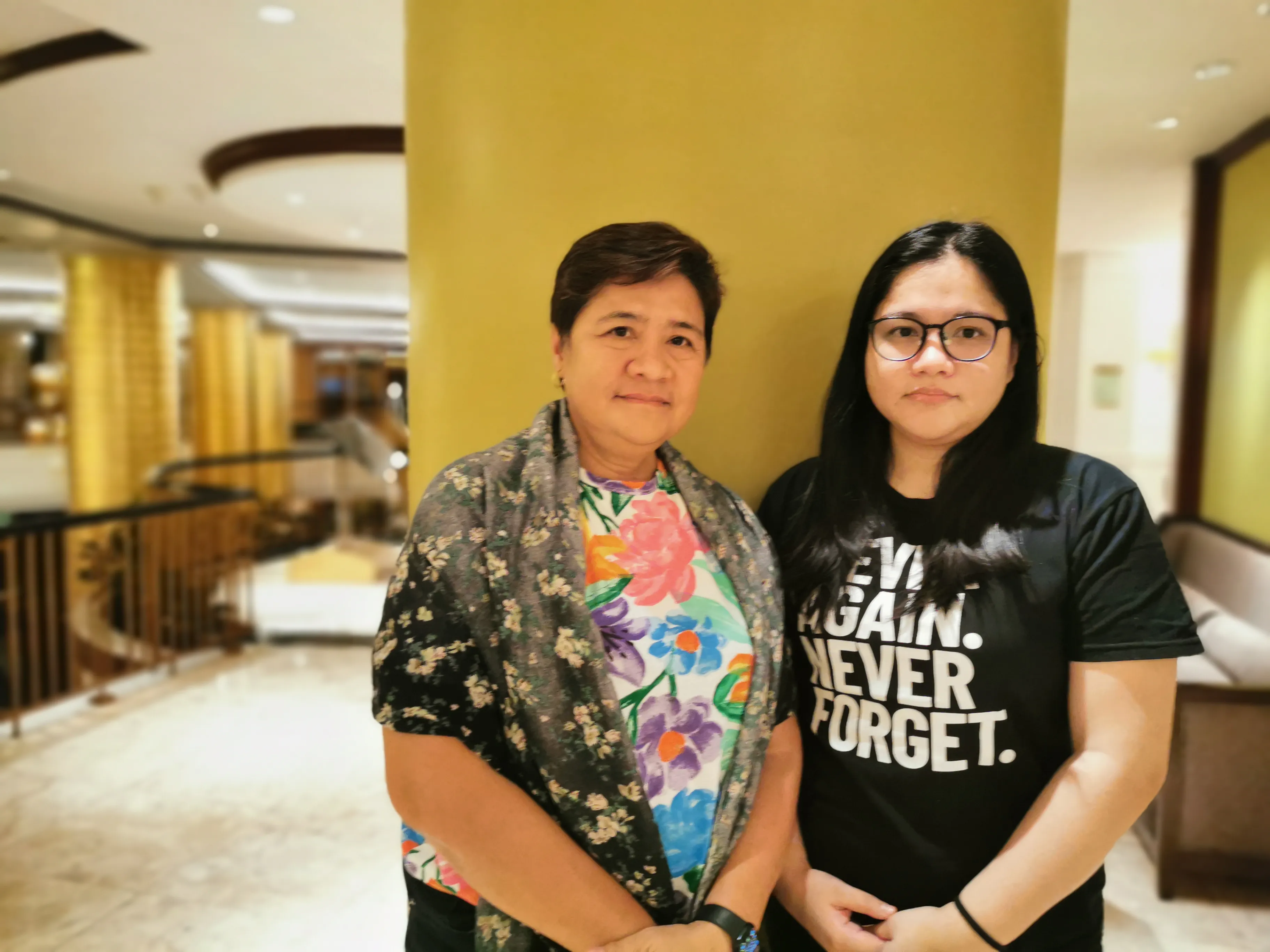
January 23, 2026 – Philippines –
Fifteen years after the assassination of Filipino environmental journalist and broadcaster Gerardo “Gerry” Ortega, his family and press freedom advocates continue to press for full accountability, describing the prolonged legal delays as emblematic of entrenched impunity in journalist killings in the Philippines. Ortega’s murder in January 2011 remains among the country’s most symbolic unsolved attacks on media freedom.
Ortega, who hosted a widely-heard radio programme in Palawan and became known for exposing environmental destruction, corruption, and political patronage, was fatally shot outside a second-hand clothes shop in Puerto Princesa on January 24, 2011, hours after finishing his broadcast. He had drawn significant attention — and reported death threats — for his vigorous criticism of mining policies and allegations of corruption involving local officials.
In the immediate aftermath of the killing, authorities arrested the gunman, who later received a lengthy prison sentence, and several accomplices were also prosecuted. However, the alleged mastermind — former Palawan governor Joel T. Reyes — eluded justice for years, with charges and warrants issued and revoked multiple times as legal battles dragged on. Despite his surrender to authorities in 2024 and graft convictions in related corruption cases, the trial over Ortega’s murder has experienced significant delays and procedural setbacks that have frustrated the journalist’s family and rights organisations.
Reporters Without Borders (RSF) and other international press freedom advocates marked Ortega’s fifteenth anniversary in January 2026 by renewing calls on the Philippine judicial system to ensure a fair, swift, and impartial trial that holds accountable those responsible for orchestrating the killing. RSF noted that Ortega’s work and legacy continue to embody the courage of Filipino journalists who risk their lives to expose wrongdoing and corruption.
Local civil society organisations and media unions have echoed these demands, emphasising that Ortega’s case underscores the persistent culture of impunity for crimes against journalists in the Philippines — a country where attacks on reporters and media workers often go unresolved for years. Ortega’s widow and family members have repeatedly called on authorities to prioritise the murder case and deliver “justice that has been delayed for far too long.”
Observers argue that resolving Ortega’s murder — including clarification of the roles played by alleged masterminds and ensuring full accountability — is critical not only for the Ortega family but also for reinforcing protections for journalists nationwide and deterring future violence against the press.
Reference –
Justice still elusive 15 years after murder of journalist Gerry Ortega