Global Journalist Imprisonments Remain Near Historic Highs in 2025, CPJ Warns
January 23, 2026
Montenegro Marks Journalists’ Day Amid Growing Threats to Media
January 23, 2026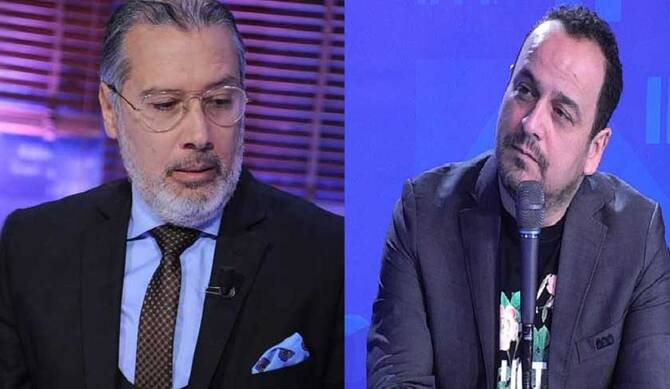
January 23, 2026 – Tunisia –
A Tunisian court has sentenced two well-known journalists, Bohran Bssaies and Mourad Zghidi, to three and a half years in prison on money-laundering and tax-related charges in a ruling that has drawn condemnation from press freedom advocates and critics of President Kais Saied’s government. The sentences, delivered on January 22, 2026, are seen as part of a broader pattern of legal action targeting independent media and government critics in Tunisia.
Bssaies and Zghidi — both veteran columnists with backgrounds in local broadcast and written media — have been held in detention since May 2024, initially convicted under Decree-Law 54, a controversial cybercrime statute widely criticised for suppressing dissent, on charges of “spreading false news.” Authorities subsequently brought additional legal proceedings alleging money laundering and tax evasion. Their families have characterised the latest convictions as retaliation for their journalistic work, saying the charges lack substantive merit and are being used to punish commentary critical of the government.
According to Reuters, the journalists were convicted by the Criminal Chamber of the Tunis Court of First Instance, a decision that sparked immediate outcry from domestic and international observers concerned about the state of press freedom in a country that was once viewed as a model for media pluralism in North Africa after the 2011 Arab Spring. The charges, critics argue, reflect an expanding legal apparatus used to silence independent voices, particularly those who challenge political authorities or critique public policy.
The case underscores the increasingly precarious environment for journalists and civil society actors in Tunisia. Since President Saied seized expansive powers in July 2021, authorities have pursued a series of prosecutions against journalists, opposition politicians, and activists under vaguely worded laws about cybercrime, national security, and public order. Rights organisations note that these measures have contributed to a significant erosion of free expression and media independence, with Tunisia dropping in international press freedom rankings in recent years.
Bssaies and Zghidi’s families have stated they intend to appeal the convictions, while press freedom groups have called on Tunisian authorities to release the journalists and refrain from using criminal law to stifle legitimate reporting and commentary. The broader Tunisian media community views the ruling as emblematic of a systemic crackdown that threatens the viability of independent journalism in the country.
Reference –


