Pakistan’s Persistent Impunity for Journalist Murders Under Renewed Scrutiny
January 22, 2026
Tunisian Journalists Sentenced to Prison in Latest Crackdown on Media Freedom
January 23, 2026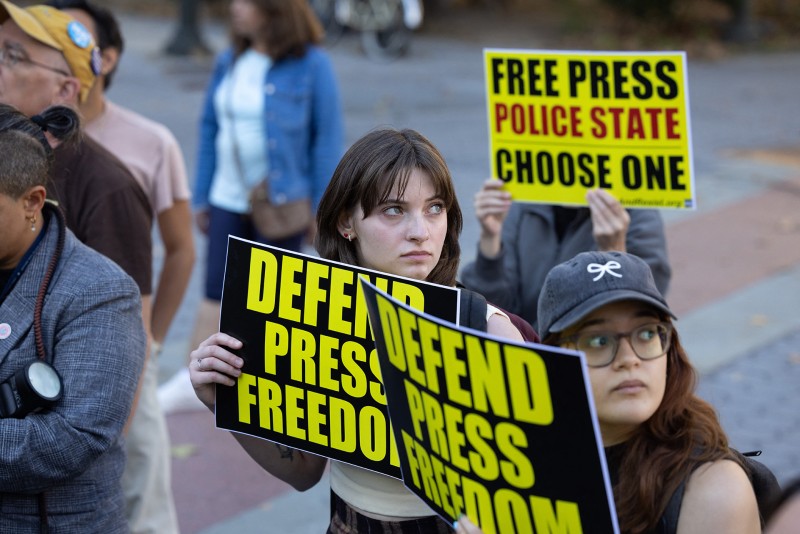
January 23, 2026 – General –
Despite a modest decline in the number of journalists jailed worldwide in 2025, press freedom advocates say the situation remains dire, with 330 journalists imprisoned in connection with their work as of December 1, 2025, according to a report published on January 21, 2026, by the Committee to Protect Journalists (CPJ). Although this figure represents a decrease from a record 384 jailed at the end of 2024, it is still among the highest totals since CPJ began tracking such data in 1992 and reflects persistent repression and legal pressure on independent reporting globally.
The CPJ report emphasises that the continuing high number of jailed media professionals is driven by growing authoritarianism and active conflicts, which have been used by governments and non-state actors alike to silence dissent and curb critical coverage. Among the top countries imprisoning journalists are China, which holds about 50, Myanmar with approximately 30, and Israel, with 29 journalists detained, most of whom are Palestinian media workers arrested in the context of the protracted Gaza conflict and West Bank tensions.
The report further highlights that many of those incarcerated face harsh and arbitrary conditions. Nearly half of the journalists behind bars were still awaiting formal sentencing as of the end of 2025, and a significant proportion have been detained for years without trial, a practice that press freedom defenders argue violates international legal standards for fair and timely justice. Additionally, CPJ documented that roughly 20 percent of imprisoned journalists reported mistreatment, including allegations of torture or physical abuse while in detention.
Experts note that the global context for journalists remains fraught with risk, not only from imprisonment but also from violence, intimidation, and legal harassment. Conflicts such as the Gaza war and internal political crackdowns elsewhere have contributed to an environment where reporting on sensitive subjects — from war crimes and human rights abuses to corruption and political opposition — often triggers punitive responses by state authorities.
CPJ continues to call on governments to uphold press freedom protections, revise or repeal broad “anti-state” and national security laws that are frequently used to target media workers, and ensure that journalists can report without fear of retribution. Advocacy groups stress that safeguarding the safety and independence of journalists is integral to transparent governance, accountability, and the public’s right to information, particularly during periods of political upheaval or armed conflict.
Reference –