
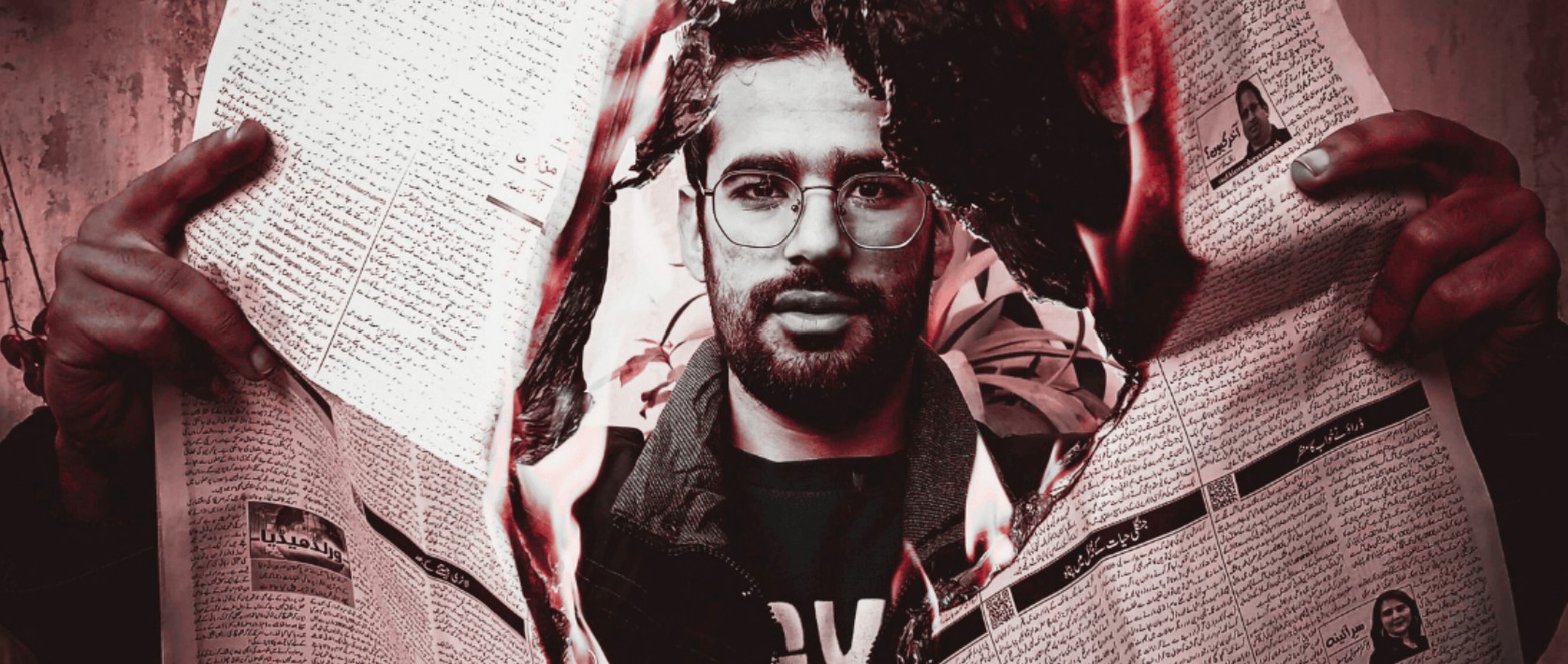
Why Israeli Forces Target Palestinian Journalists in Gaza
January 20, 2026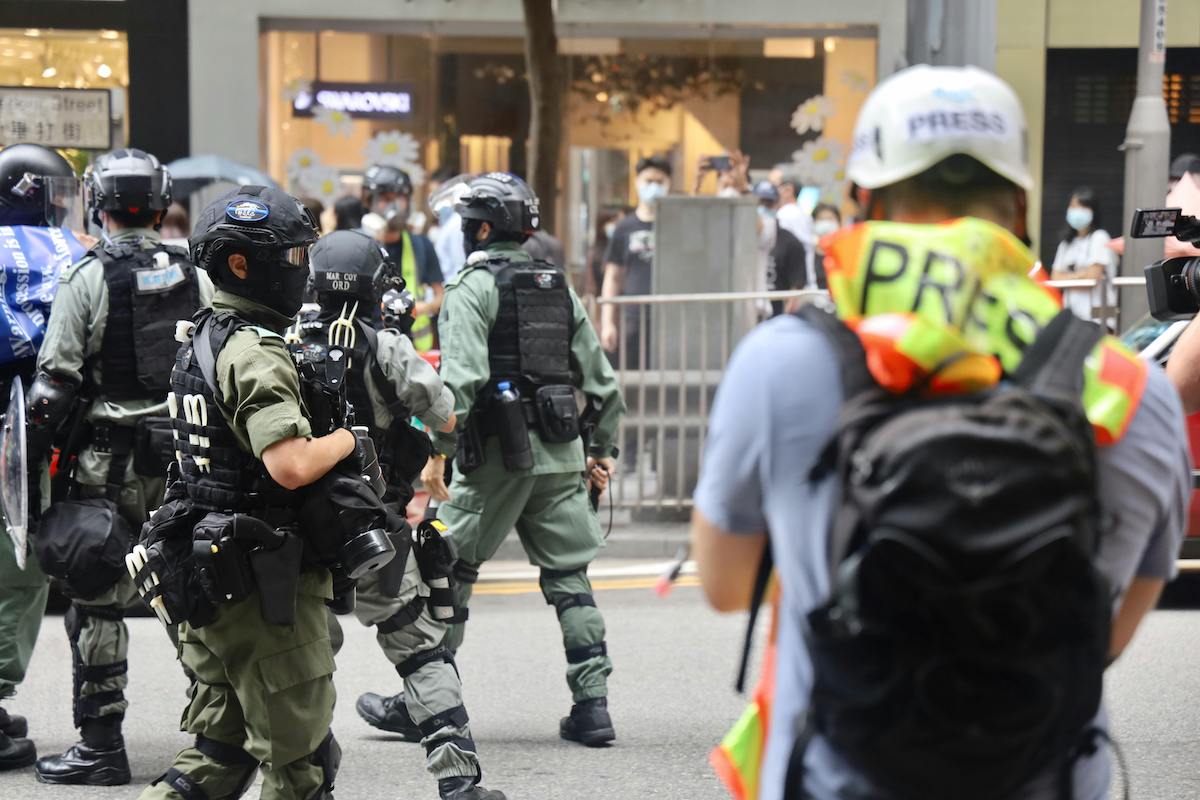
Safety Strategies for Journalists Covering Protests
January 22, 2026
The year 2025 emerged as one of the most perilous periods in recent history for journalists and media professionals worldwide, with a record-high number of fatalities and escalating threats to press freedom across multiple regions. Data compiled by media monitors and press freedom organisations indicate that at least 128 journalists and media workers were killed globally during 2025, reflecting a grim toll on those reporting in conflict zones, under authoritarian regimes, and in areas plagued by criminal violence.
Global Context of Journalist Fatalities
According to the International Federation of Journalists (IFJ), the final 2025 tally documented 128 journalists and media workers killed, with the Middle East and Arab World accounting for the majority of these deaths (74). The IFJ’s list places Palestinian journalists at the highest risk, with 56 fatalities recorded in 2025 alone, largely linked to coverage of ongoing hostilities in the Gaza Strip and surrounding areas.
In addition to Gaza, other war-torn regions such as Sudan, Yemen, and Ukraine contributed to the global death toll, with journalists killed while covering active combat zones and civil upheavals. These deaths underscore the transitions journalists frequently navigate between battlefield reporting and civilian contexts, with little protection afforded in either setting.
Case Examples of Journalists Killed While Reporting
Prominent individual cases illustrate the lethal environment journalists faced in 2025. Anas al-Sharif, a well-known Al Jazeera reporter, was killed in an Israeli airstrike on a media tent near al-Shifa Hospital in Gaza City in August, a strike that also claimed the lives of several colleagues. This incident exemplifies how journalists operating in areas with restricted access and heavy military engagement encounter extreme risk.
Another documented fatality was Yahya Sobeih, a Palestinian editor and reporter killed by an Israeli airstrike while covering daily life in Gaza City in May. Journalists like Sobeih were among the shrinking numbers of local reporters who remained in active conflict zones despite escalating dangers and limited international presence.
The Nasser Hospital strikes in Gaza in August 2025 also resulted in multiple journalist deaths, including Reuters cameraman Hussam al-Masri, AP freelance journalist Mariam Dagga, and others, when airstrikes hit areas that journalists had entered to document humanitarian conditions.
Structural Patterns and Regional Trends
Fatalities were not confined to Middle Eastern conflict zones. In regions such as sub-Saharan Africa, Asia, and the Americas, journalists also lost their lives due to political violence, criminal reprisals, and targeted attacks. Press freedom groups note that Latin America has once again emerged as a deadly region outside of formal wars, with criminal networks murdering journalists investigating corruption and security issues.
The concentration of journalist deaths in conflict settings, combined with increasing threats in non-war zones, reflects a broader pattern of impunity and insufficient protective mechanisms for media workers. Despite existing international humanitarian law that recognises journalists as civilians, enforcement and accountability lag, particularly in areas where state and non-state actors view independent reporting as a threat.
Implications for Press Freedom and Safety Protocols
The widespread loss of journalists in 2025 underscores the urgent need for enhanced safety protocols, international accountability frameworks, and systemic safeguards for media professionals. Advocates have called for stronger protective measures, including international conventions that specifically safeguard journalists in armed conflict and civil unrest. The high fatality rates also highlight a global press freedom crisis in which those who document violence become victims themselves, thereby hampering the public’s access to independent information and weakening democratic accountability.
Conclusion
The deadly reality of journalism in 2025 reveals a profession under siege, not merely by the inherent risks of conflict reporting, but by a global environment where violence against journalists has become increasingly common and inadequately punished. With 128 media workers killed worldwide, the year represents a stark reminder of the human cost of pursuing truth in areas of intense political, military, and criminal conflict, and it emphasises the pressing need for coordinated international action to protect journalists and uphold press freedom