CPJ and Over 30 Groups Urge Iran to Free Jailed Journalists, Activists and Restore Internet Access
January 20, 2026
Journalists at Risk as Guinea-Bissau Junta Bans Unauthorized Press Conferences
January 20, 2026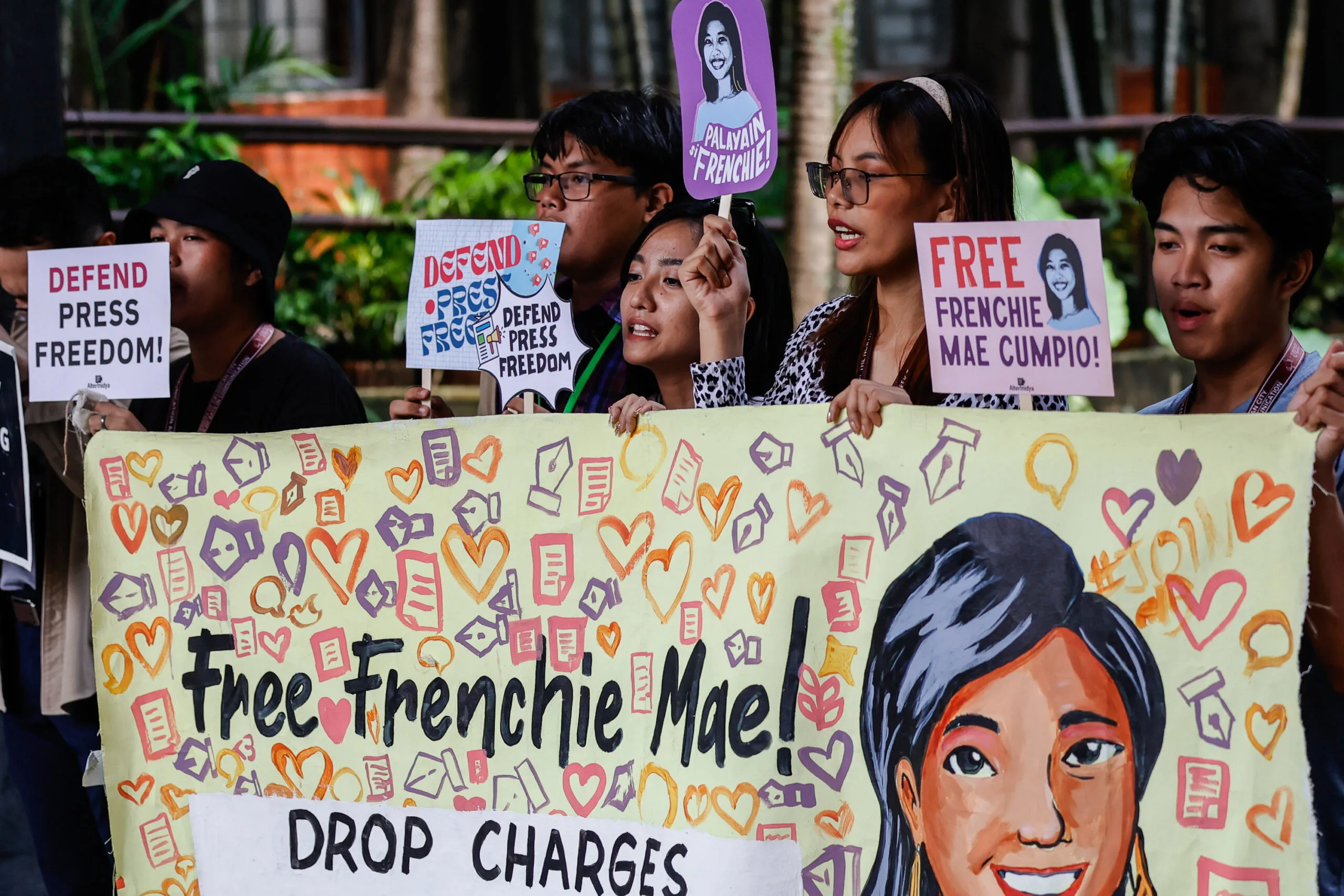
January 20, 2026 – Philippines –
Media freedom organisations in the Philippines have renewed urgent **calls for the release of community journalist Frenchie Mae Cumpio, whose trial is reaching a decisive moment more than six years after her arrest in February 2020 on controversial national security charges. Cumpio’s case has attracted both local and international scrutiny as advocates question the legitimacy of the legal proceedings and the prolonged nature of her detention.
Frenchie Mae Cumpio, based in Tacloban City, was initially detained alongside four civil society activists earlier in 2020 and charged with illegal possession of firearms and financing terrorism — allegations that press freedom watchdogs and supporters describe as unfounded and politically motivated. Her detention continued while additional charges were brought in separate proceedings, including some later dismissed by courts as lacking credible evidence. Cumpio has consistently denied all charges, and her defence has highlighted irregularities in the arrest process and contradictions in witness testimony.
With the Tacloban Regional Trial Court scheduled to issue a verdict on January 22, 2026, a broad coalition of media organisations — including the National Union of Journalists of the Philippines (NUJP), AlterMidya, Reporters Without Borders (RSF), the Committee to Protect Journalists (CPJ), and Free Press Unlimited (FPU) — has called on President Ferdinand Marcos Jr. and the justice system to release Cumpio before any adverse ruling is handed down. Advocates argue that her continued detention, especially without conviction, is “inhumane” and contradicts the Philippines’ constitutional commitment to freedom of expression.
Press freedom defenders point out that Cumpio’s case has become emblematic of broader pressures on independent and community journalism in the country, where anti-terrorism laws are increasingly applied to journalists and activists, often resulting in prolonged pretrial detention and significant legal jeopardy. International organisations have repeatedly condemned what they view as trumped-up charges and have warned that the outcome of Cumpio’s trial could set an influential precedent for press freedom in the region.
Campaigners underscore that Cumpio, who has reported on social issues affecting marginalised communities and has faced “red-tagging” — a practice of labelling critics as insurgent sympathisers — embodies the risks faced by journalists working outside mainstream outlets. Beyond her own fate, advocates warn that her case will influence the operational space for all journalists in the Philippines and test the government’s adherence to democratic norms and international human rights standards.
Reference –