
French Journalist Raphael Boukandoura Detained During Istanbul Protest Over Syrian Offensive
January 19, 2026
Pakistan Intensifies In Absentia Convictions Against Overseas Journalists
January 19, 2026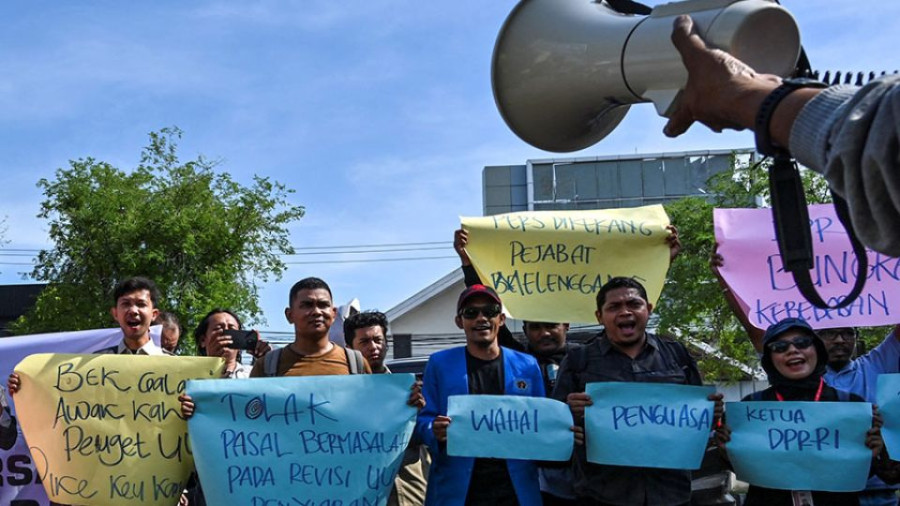
January 19, 2026 – Indonesia –
Journalists in Indonesia are confronting a worsening environment for press freedom, with a sharp increase in violence, intimidation, digital harassment, and legal pressures recorded throughout 2025, according to reports by press freedom advocates and media organisations. The pattern of threats spans physical assaults in the field, online harassment campaigns, and institutional interference that collectively undermine journalists’ safety and independence.
The Alliance of Independent Journalists (AJI) documented at least 89 incidents against journalists over the past year, including 30 physical attacks and 29 digital assaults, along with cases of coverage bans, forced deletion of reporting, lawsuits, and censorship. These figures reflect a significant escalation of risks for reporters and editors across the nation. Most perpetrators remain unidentified, but AJI highlighted that police personnel were implicated in 21 cases, followed by military involvement in six incidents, illustrating how state actors are frequently linked with press freedom violations.
Press freedom advocates describe this trend as symptomatic of intensifying authoritarian statism under current governance, marked by consolidation of state power, closer ties between media elites and political authorities, and an expanded use of legal mechanisms to constrain critical reporting. AJI chair Nany Afrida noted that “intervention and intimidation in newsrooms have increased and become normalised,” including demands to alter or remove news content and pressure not to investigate specific issues.
Physical attacks on journalists have occurred frequently during public demonstrations and coverage of contentious topics, with several reporters reporting aggression or obstruction while documenting protests, disasters, or politically sensitive issues. Meanwhile, digital threats such as doxxing, social media account hacking, and distributed denial-of-service (DDoS) attacks have grown more prevalent, further hindering independent reporting and fostering a climate of self-censorship among media professionals.
Legal and institutional frameworks have also contributed to the precarious situation. Laws on defamation, electronic information, and public order are increasingly used to target journalists and curtail investigative reporting, while practices such as forced data deletion and litigation against media outlets create additional barriers to press freedom. Critics argue that these legal tools are often deployed not to protect public safety but to suppress dissenting voices.
The deteriorating environment for the press in Indonesia has drawn concern both domestically and internationally, with media analysts warning that continued threats to journalists could weaken public access to independent information and accountability reporting in Southeast Asia’s largest democracy.
Reference –