Journalists in Bangladesh Urge Authorities to Protect Press Freedom Amid Rising Attacks
January 18, 2026
IPI Demands Probe into Online Smear Campaign Targeting Romanian Journalist Emilia Sercan
January 18, 2026
January 18, 2026 – India –
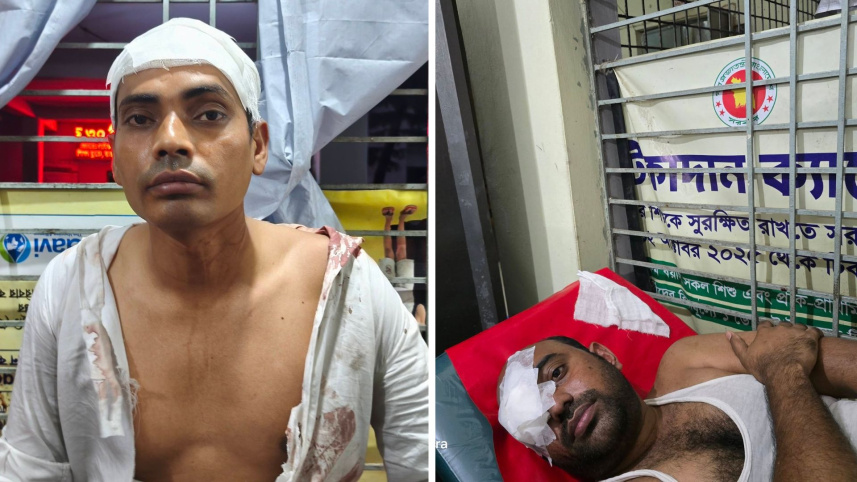
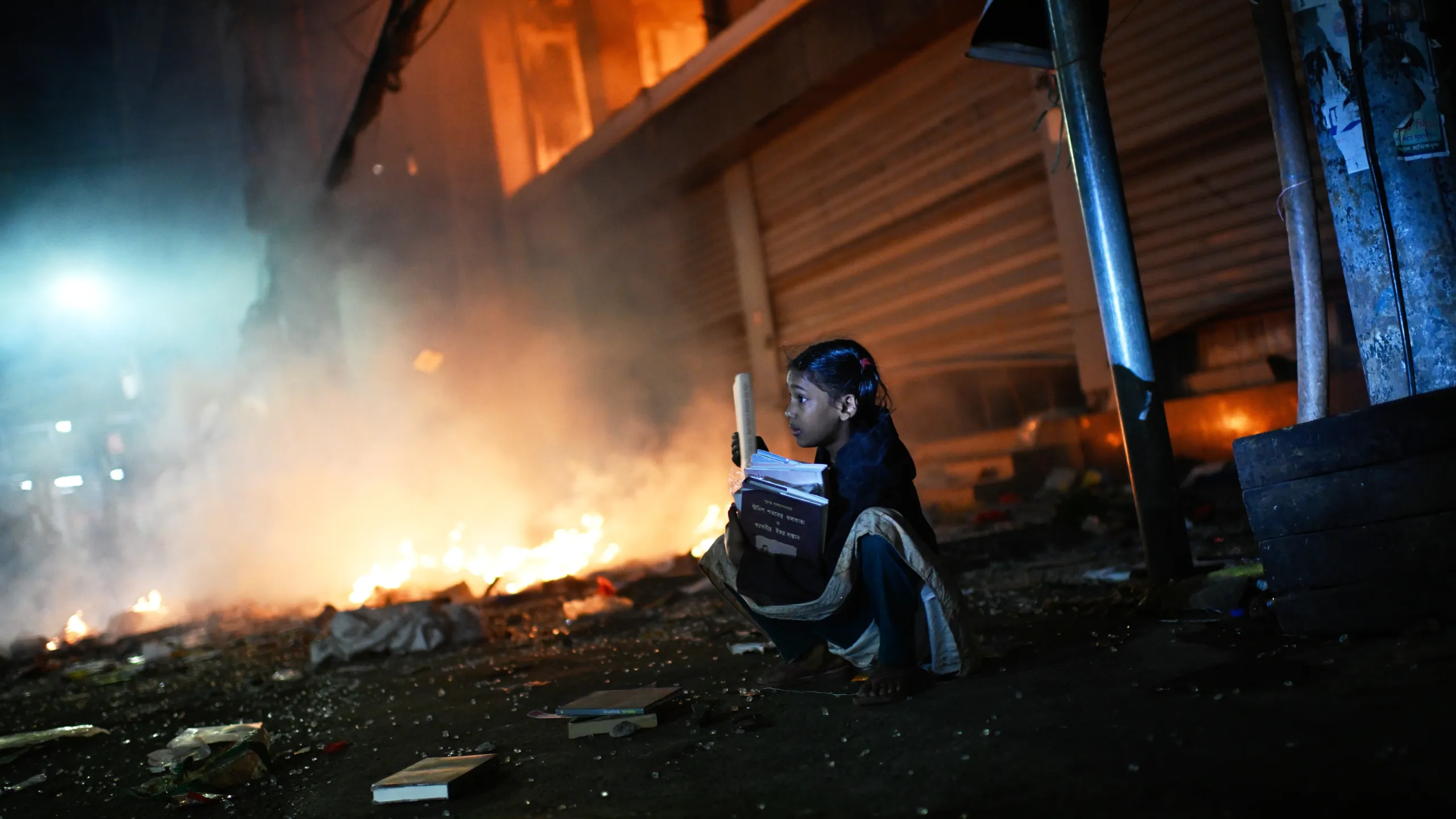
A journalist from ABP Anand, Parthapratim Ghosh, and his colleague, photojournalist Ujjwal Ghosh, were attacked by an aggressive mob on January 17, 2026, while reporting on violent protests in Beldanga town in Murshidabad district, West Bengal, India. The violence erupted amid demonstrations over the death of a local migrant worker from Jharkhand, whose body was returned to his hometown amid suspicion and grief, prompting locals to block National Highway-12 and railway tracks in protest. Reporters and media personnel covering the unrest were repeatedly targeted by protesters seeking to prevent their activities.
According to local news coverage, Ghosh and his colleague were beaten as they attempted to document the ongoing roadblock and clashes near the Barua intersection, where protesters had gathered for a second consecutive day. Members of the crowd allegedly rushed at the journalists, beat them, and tried to force them to stop recording, even as police officers were stationed nearby but failed to intervene effectively. The limited law enforcement presence and apparent lack of decisive action raised widespread questions about police preparedness and the protection of journalists in volatile conditions.
The assault on the ABP team occurred following earlier attacks on media workers in the same area. On January 16, a Zee 24 Ghanta reporter and her cameraman were also assaulted by the crowd, suffering injuries while trying to cover the protests. Those incidents played out publicly, with demonstrators demanding that journalists cease capturing footage and threatening physical harm to media personnel.
The protests themselves were rooted in deep resentment over the migrant worker’s death under unclear circumstances in Jharkhand, which ignited anger and led to the highway blockade and disruptions to rail services. What began as a grievance over one fatality escalated into widespread unrest that drew both significant public participation and heightened tensions between law enforcement, protesters, and the press.
Observers and rights advocates have expressed concern that attacks on journalists during the Beldanga unrest underscore persistent risks faced by reporters covering civic unrest in India, particularly when police responses are perceived as inadequate in preventing violence against media workers.
Reference –