
FBI Raid on Washington Post Reporter Sparks Press Freedom Alarm
January 16, 2026
Azerbaijan Sentences Exiled Journalists to Lengthy Prison Terms in Absentia
January 16, 2026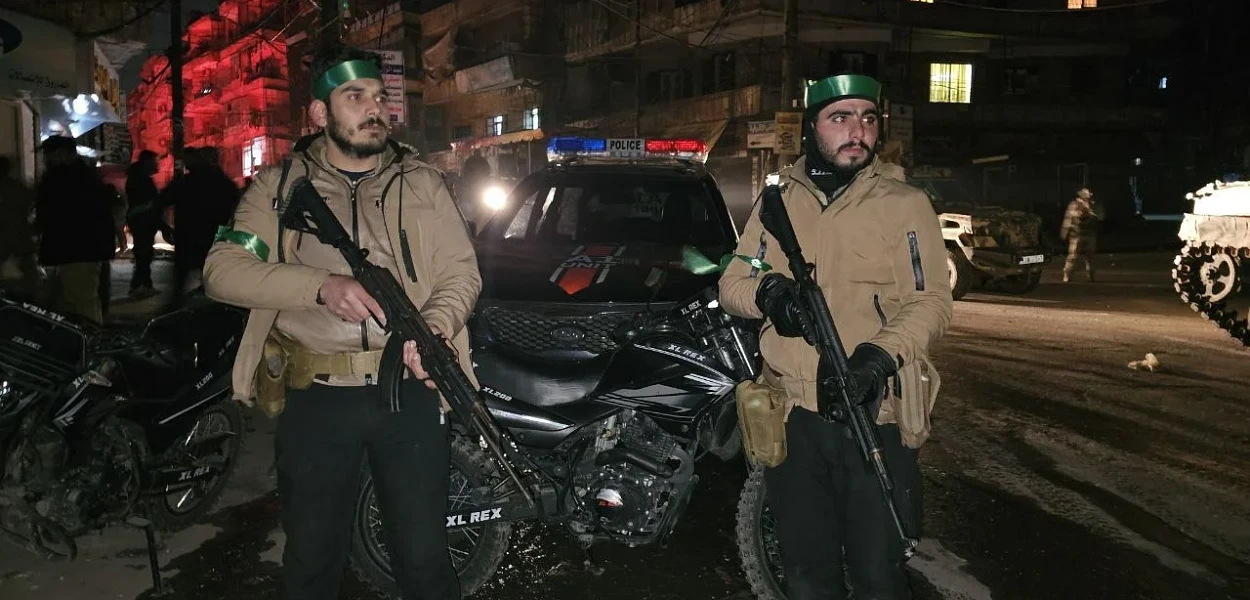
January 16, 2026 – Syria –
Journalist Nedim Oruç, a correspondent for the Kurdish news outlet Ajansa Welat, was detained by Turkish security forces on January 15, 2026, while he was covering a protest in the Cizre district of Şırnak province in southeastern Turkey. The demonstration was organised by local residents to denounce recent attacks on Kurdish-held neighbourhoods in Aleppo, Syria, and quickly escalated into clashes between protesters and police.
According to reports, Oruç was physically assaulted by security forces before his detention, with authorities confiscating his camera and taking him away in an armoured vehicle as confrontations between demonstrators and police continued in nearby streets. The protest had drawn youths chanting slogans such as Bijî Berxwedana Rojava (Long Live Rojava), and significant tension was evident between participants and law enforcement throughout the event.
The demonstrations in Şırnak were part of broader protests across Kurdish-majority areas in Turkey responding to a military offensive launched in early January 2026 by the Syrian government aimed at regaining control of the Kurdish-held neighbourhoods of Sheikh Maqsoud and Ashrafieh in Aleppo. Syrian government forces had captured large parts of Ashrafieh on January 9, prompting sustained criticism and resistance from Kurdish groups across the region.
Turkey’s role in the conflict has been controversial. Ankara has publicly expressed support for Syrian government actions while insisting that the Syrian Democratic Forces (SDF)—the dominant Kurdish military grouping in northern and eastern Syria—should disband. This diplomatic posture has angered Kurdish communities within Turkey and the wider region, leading to heightened protests and frequent clashes with security forces.
Oruç’s detention illustrates the risks faced by journalists reporting on politically sensitive events in Turkey, especially in predominantly Kurdish areas where state responses to dissent have often been heavy-handed. The incident reflects longer-standing concerns about press freedom and the safety of journalists operating in environments where political tensions intersect with security operations and civil unrest.
Reference –


