Slovak Journalist Peter Schutz Attacked, Government Ministers’ Response Sparks Backlash
January 10, 2026
Mexican Crime Reporter Carlos Castro Shot Dead in Veracruz, Highlighting Persistent Threats to Journalists
January 10, 2026
January 10, 2026 – Pakistan –
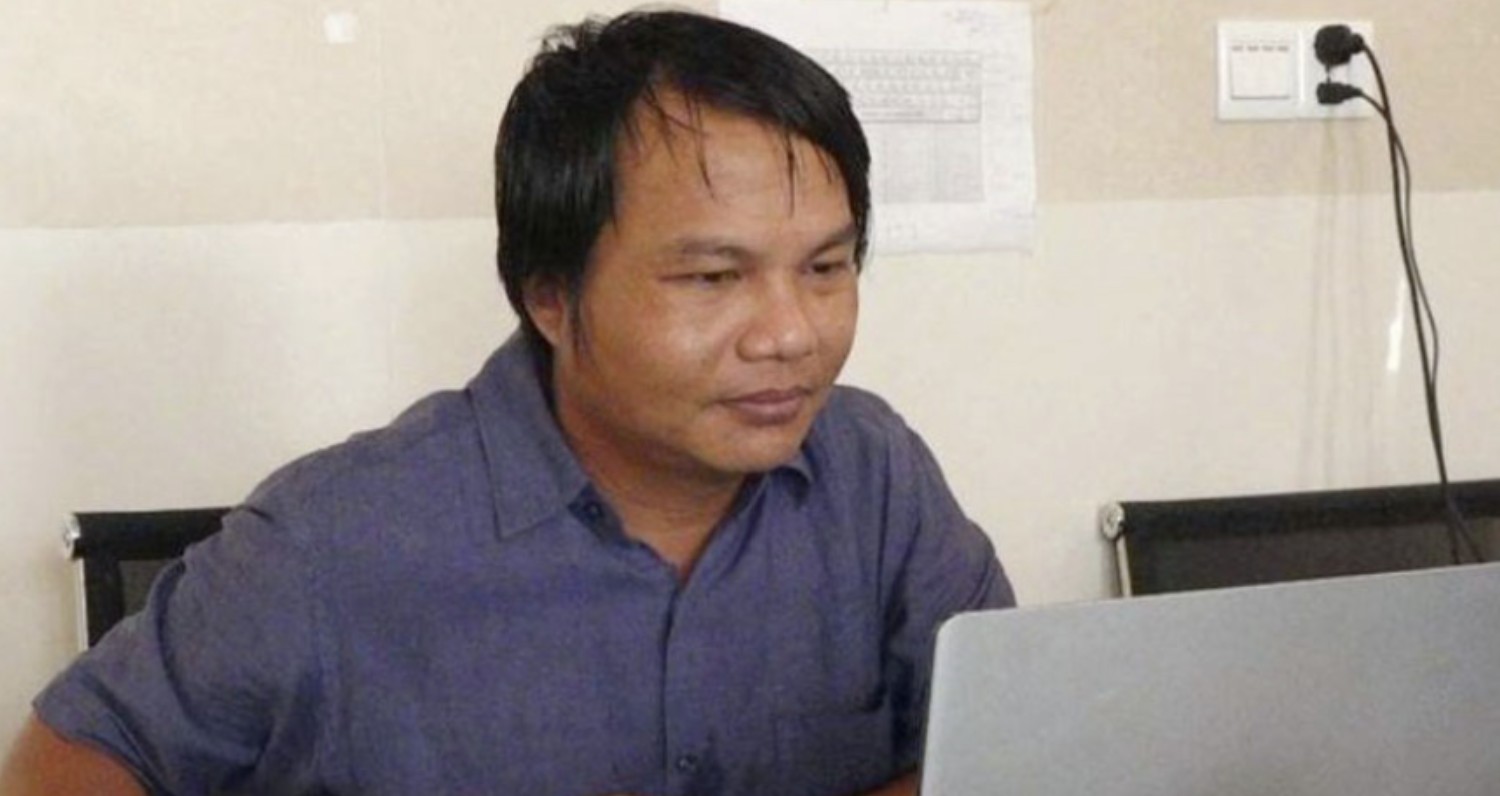
Journalist Muhammad Aslam Shah has been sent to prison on judicial remand in Karachi after his arrest under Pakistan’s controversial Prevention of Electronic Crimes Act (Peca) 2025, local media outlets report, sparking renewed concerns about press freedom and the use of cybercrime legislation against journalists. Shah’s detention and remand follow a case registered on 29 December 2025 after a First Information Report (FIR) was filed by Tabish Raza Husnain, described as an official of the Karachi Water and Sewerage Corporation (KWSC), alleging defamation and cyberstalking offences against him and another official. The FIR invoked Section 20 (offences against the dignity of a natural person) and Section 24 (cyberstalking) of Peca.
The National Cyber Crime Investigation Agency (NCCIA) arrested Shah and brought him before a judicial magistrate (South) on January 8, 2026, seeking a 14-day physical remand to continue the inquiry. However, the court declined that request after the investigating officer failed to convince the magistrate of the need for custody for interrogation. Despite the refusal of the requested remand, Shah was sent to prison on judicial remand, where he will remain until further judicial proceedings.
In the FIR, the complainant accused Shah of running a campaign of “defamatory propaganda” against him and his superior, alleging that the journalist used abusive language in social media groups that caused “significant distress and damage” to their reputation. Investigators cited screenshots of the alleged online posts as evidence in the case. The NCCIA also indicated that multiple notices were issued to Shah to appear for questioning, but alleged that he did not cooperate with the inquiry.
Shah’s arrest and remand have reignited debate over the use of Peca against media professionals. Critics argue that the law’s broad provisions are increasingly being used to target journalists and suppress critical reporting, particularly online, rather than to address genuine cybercrime. In late 2025, the International Federation of Journalists (IFJ) raised concerns about the expanding application of Peca, highlighting cases of journalists facing FIRs, arrests, and other forms of harassment under the law, alongside issues such as undeclared censorship, forced layoffs in media organisations, and non-payment of salaries. IFJ leaders have called on Pakistan’s executive and judicial authorities to protect press freedom and reconsider the implementation of such provisions.
The case of Muhammad Aslam Shah adds to a pattern in which digital speech and critical reporting are increasingly adjudicated within criminal frameworks, raising questions about legal safeguards for free expression and the potential chilling effect on investigative and accountability journalism in Pakistan.
References –