
Ghana Reaffirms Commitment to Justice in Ahmed Hussein-Suale Murder Case After Nearly Eight Years
January 6, 2026
Venezuela Detains Journalists Amid Political Upheaval Following Maduro’s Capture
January 7, 2026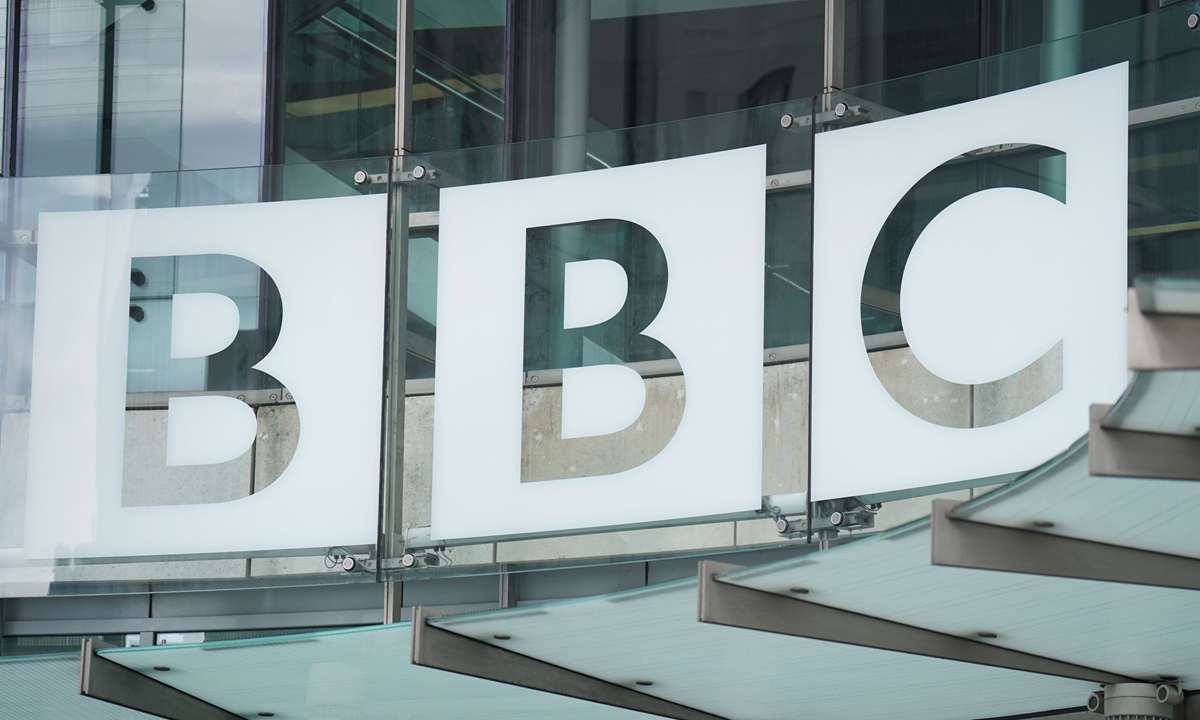
File photo dated 11/03/23 of a general view of BBC Broadcasting House in London. BBC Radio 4's The Archers is to broadcast special programmes to mark its 75th anniversary on New Year's Day. Broadcast for the first time on January 1 1951, the milestone will be marked with the modern-day cast recreating the first-ever scene from the original episode. Issue date: Thursday January 1, 2026.
January 06, 2026 – USA/UK –
The British Broadcasting Corporation (BBC) has come under scrutiny after internal editorial guidance reportedly instructed its journalists not to describe the United States’ forcible removal of Venezuelan President Nicolás Maduro as a “kidnapping.” Leaked internal directives circulated on social media and referenced by commentators indicate that BBC staff were told to use terms such as “captured” or “seized” in reports, and avoid the word “kidnapped” when describing the U.S. military operation that led to Maduro’s arrest in early January 2026. The memo, said to have originated in a BBC editorial meeting known as “the Nine,” was shared publicly by columnist Owen Jones and has drawn criticism from media observers.
According to the leaked guidance, the BBC’s aim in recommending alternative wording was to ensure “clarity and consistency” in its coverage of the Venezuela story. Under the instructions, journalists could attribute phrases such as “the U.S. said Maduro was captured” when referencing the official U.S. narrative, and use “seized” in their own reporting where appropriate, while explicitly avoiding “kidnapped.” Critics have interpreted this choice as a form of editorial sanitisation that softens the language surrounding a highly controversial military action that drew international condemnation and complex legal debate.
The directive emerged against the backdrop of a U.S. military operation in which Maduro was removed from Venezuela and subsequently appeared in Manhattan federal court, where he pleaded not guilty to narcotics and weapons charges and described his detention as a “kidnapping.” The question of whether the operation constituted an illegal abduction under international law has generated global dispute, with some leaders condemning the action and others framing it as a justified counter-narcotics or security measure. These debates have underscored the sensitivity of language in international reporting and the broader geopolitical ramifications of newsroom terminology.
Media critics and commentators have voiced concern that the BBC’s editorial guidance may reflect institutional caution or bias in reporting on powerful states’ actions, particularly in situations where allegations of international law violations are involved. Some argue that restricting certain terms risks shaping the narrative in a way that aligns with official sources rather than engaging transparently with contested interpretations. The BBC itself has not publicly commented on the leaked guidelines as of this writing.
The controversy illustrates broader tensions within international journalism about balancing impartial wording with an accurate description of events, especially where state actors are accused of extraordinary actions with significant legal and ethical implications. Public debate over the BBC’s editorial decision continues amid ongoing political and media responses to the situation in Venezuela.
Reference –