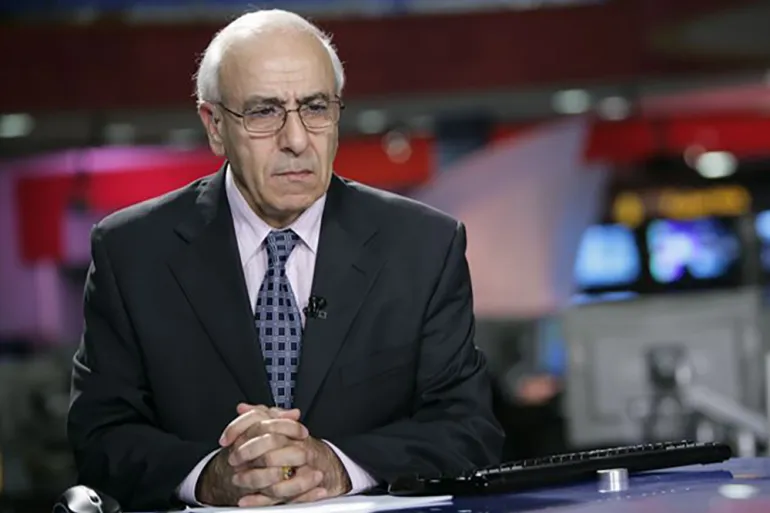
Veteran Al Jazeera Journalist Jamil Azar Dies at Age 89, Leaving Lasting Media Legacy
January 4, 2026
Palestinian Journalist Held in Israeli Detention at Risk of Imminent Death, Press Groups Warn
January 5, 2026
January 05, 2026 – Azerbaijan –
A prominent imprisoned Azerbaijani opposition figure, Samir Ashurov, has ended an eight-day hunger strike after prison officials agreed to meet several of his core demands, his family and independent media reported. Ashurov, a member of Azerbaijan’s Popular Front Party, had launched the protest in late December 2025 to denounce physical mistreatment by prison staff and restrictions on basic rights, including the ability to communicate with his family.
Ashurov’s wife, Nurana Ashurova, said her husband received assurances from the director of the penal colony that the alleged physical violence against him would cease and that his right to make phone calls would be restored. These concessions prompted Ashurov to end his hunger strike on January 4, 2026, after eight days of refusing food. His condition reportedly deteriorated during the strike, with respiratory pain and overall weakness cited by his wife as serious health concerns.
The hunger strike was triggered by what Ashurov and supporters described as violence by prison administration officials, including an incident in which an official allegedly struck him in the face. Before the strike, he faced interference with telephone contact and increased pressure after helping establish a prisoner rights group — the “Committee for the Protection of Political Prisoners” — alongside fellow inmates, including journalists and activists serving sentences at the same facility.
Ashurov’s legal entanglements date to April 2022, when he was returned from Germany and subsequently arrested on charges including assault and hooliganism. A Baku court in December 2023 sentenced him to six and a half years in prison; in early 2026, the cassation court reduced his sentence by six months and removed the hooliganism charge. Throughout his detention, he has dealt with pre-existing medical conditions, including diabetes and heart disease, which his wife says exacerbated the strain of the hunger strike and heightened fears for his health.
Human rights advocates monitor Azerbaijan’s treatment of political prisoners closely, citing hunger strikes and other protests as signals of long-standing grievances over prison conditions, physical abuse, and restrictions on communication with the outside world. Ashurov’s case highlights the continued use of detention and administrative pressure against opposition figures and activists within the country’s increasingly constrained political environment.
Reference –
https://www.eng.kavkaz-uzel.eu/articles/71731