Israeli Minister Boycotts Channel 12 Over Broadcast of Alleged Gaza Detainee Abuse Video
January 1, 2026
Israel Detains 42 Palestinian Journalists in 2025 as Syndicate Reports Escalating Targeting
January 2, 2026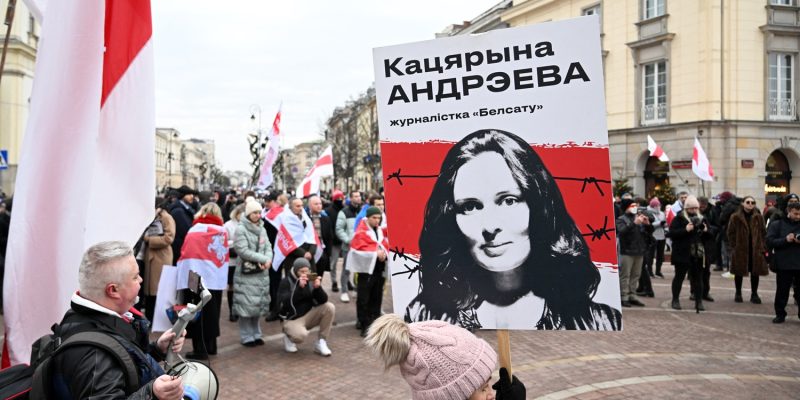
January 01, 2026 – Europe –
A year-end report by the European Federation of Journalists (EFJ) reveals that 149 journalists and media workers will be behind bars in Europe as 2025 closes, marking the highest number recorded on the continent in recent years and prompting urgent calls from press freedom organisations for political action. The tally was compiled from submissions by EFJ national affiliates and reflects continued repression in multiple countries where legal systems are being used to silence critical reporting.
The distribution of detained journalists highlights stark geographic disparities: 56 are held in Russia and occupied Ukrainian territories, 37 in Azerbaijan, 28 in Belarus, 25 in Turkey, two in Armenia, and one in Georgia. These figures illustrate that imprisonment of media professionals is not confined to outside Europe but is an acute issue within and around the EU’s periphery.
2025 has been described by the EFJ as “disastrous” for journalists in Europe, not only for the number behind bars but also for the killing of at least ten journalists during the year, primarily in Ukraine and including deaths from targeted attacks using drones. These violence-related deaths make Europe statistically more lethal than some other regions for media workers in 2025.
Azerbaijan stands out as a major driver of increased imprisonments, with more than 40 percent of Europe’s detained journalists reported there. Media freedom monitors note that Azerbaijan has systematically dismantled independent media outlets through arrests, smear campaigns, and judicial harassment, effectively thinning the space for dissenting voices. Russia and Belarus also continue longstanding practices of jailing journalists on broadly defined or politically motivated charges.
The case of Georgian journalist Mzia Amaglobeli exemplifies the broader trend: she remains incarcerated after being convicted on contentious charges relating to her reporting and protest activities, even while being recognised internationally with the Sakharov Prize for Freedom of Thought. Her detention underscores how legal mechanisms are employed to penalise investigative and critical journalism.
EFJ leadership has urged the European Union and its member states to intensify diplomatic and political pressure on governments responsible for imprisoning journalists simply for doing their jobs. The federation warns that compromises by political leaders with authorities who repress press freedom undermine the fundamental rights of European citizens to access independent information.
The rising number of detained journalists in Europe parallels broader global patterns of media suppression, calling attention to the continuing urgent need for legal safeguards, accountability, and systemic protections to uphold free expression and democratic transparency.
Reference –
149 journalists will spend New Year’s Eve in prison in Europe