
Bearing Witness Under Fire: The TJC Project’s Global Documentation of Attacks on Journalists in 2025
December 28, 2025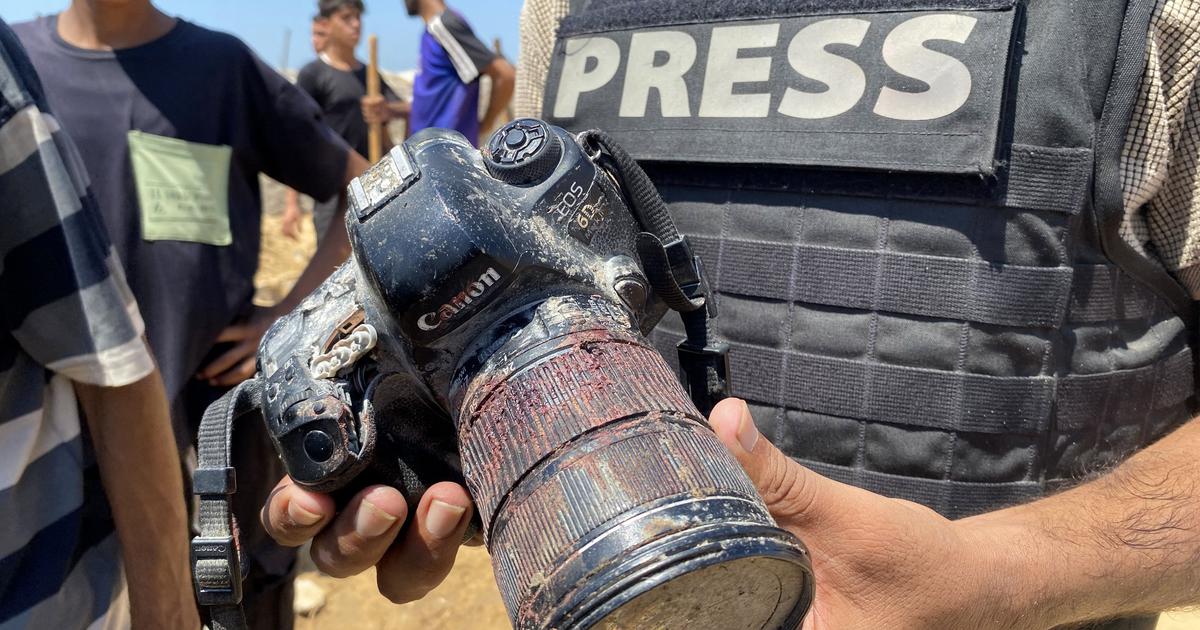
Global Journalism Faces Deadliest Year on Record Amid Shrinking Freedom
December 31, 2025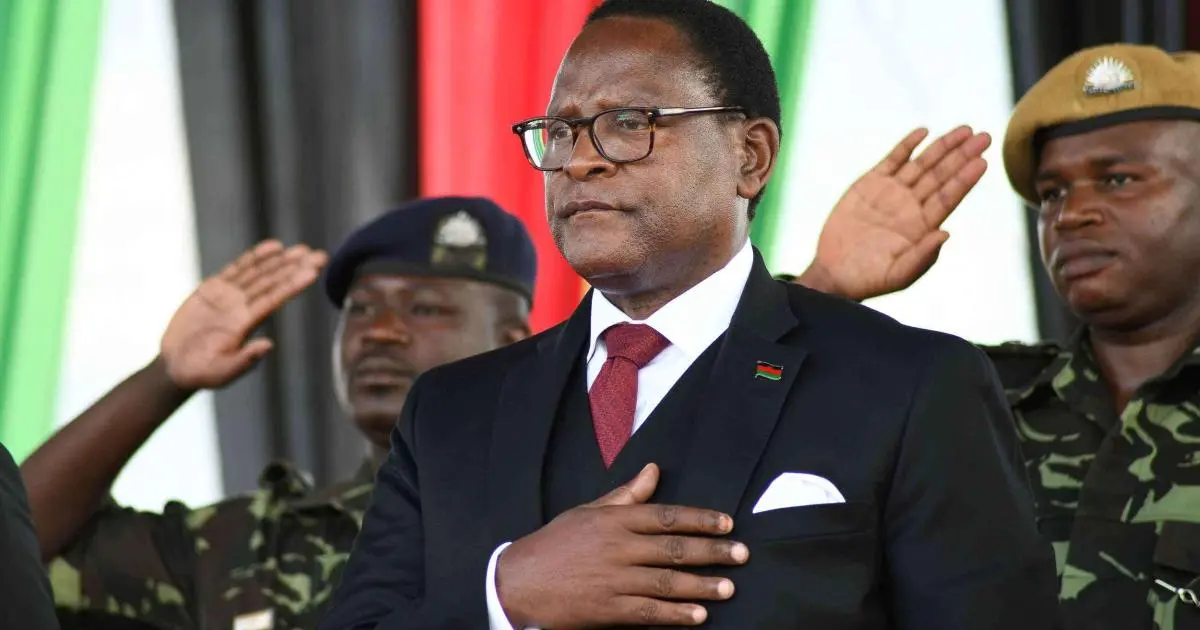
A year-end assessment of press conditions in Malawi during the 2025 election cycle reveals a significant escalation in physical and digital attacks on journalists, coupled with widespread impunity that threatens the country’s democratic accountability and media independence. According to the Malawi chapter of the Media Institute of Southern Africa (MISA), more than 10 reported assaults, acts of intimidation, and coordinated online harassment targeting local reporters occurred throughout 2025, yet no perpetrator has been prosecuted for these violations. The pattern reflects a broader deterioration in the safety environment for media professionals covering politically charged events in Malawi’s multiparty system.
The documented incidents include politically motivated aggressions by supporters of major political parties during campaign and polling events. On June 26, machete-wielding individuals attacked journalists, demonstrators, and bystanders near the Lilongwe Community Centre Ground while security forces reportedly failed to intervene, highlighting concerns of state inaction. Similar episodes involved opposition and ruling party loyalists disrupting press briefings, physically intimidating broadcasters, and forcing on-air apologies from public media executives after hostile takeovers of broadcast facilities. Journalists covering court proceedings faced assaults, compelling them to abandon or delete captured footage. Throughout October, coordinated digital harassment campaigns targeted reporters and media outlets online, exacerbating pressures on independent media.
MISA’s statement characterises these events as symptomatic of a “culture of impunity” in which political actors feel emboldened to silence critical voices without fear of legal consequence, thereby contravening constitutional protections for freedom of assembly, expression, and media independence. This climate of hostility undermines the constitutional guarantee of a free press and raises questions about whether security institutions are prioritising political calculation over impartial protection of civil liberties.
Compounding these risks, independent reporting in Malawi has also been stifled through legal and administrative mechanisms. Journalists have been detained, charged under cybercrime and defamation provisions, and subjected to unwarranted searches and confiscations of equipment for exposing corruption or politically sensitive information. These practices, enabled by outdated legal frameworks and aggressive enforcement, contribute to a hostile media environment where investigative reporting carries significant personal and professional jeopardy.
Press freedom advocates note that recurring threats, harassment, and the absence of accountability measures diminish journalists’ ability to inform the public effectively, particularly during high-stakes electoral periods. Despite some legal reforms aimed at decriminalising defamation, the persistence of both targeted physical attacks and structural intimidation presents ongoing challenges to safeguarding independent journalism in Malawi’s evolving political landscape.
Reference –
https://africabrief.substack.com/p/malawi-journalists-face-surge-in