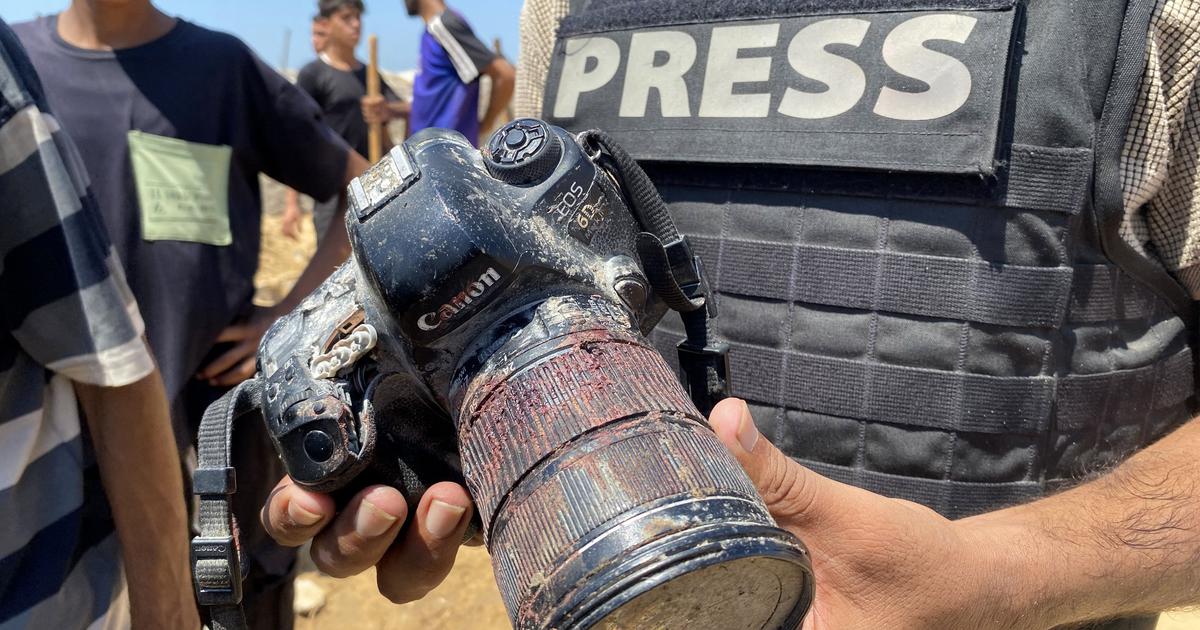
Global Journalism Faces Deadliest Year on Record Amid Shrinking Freedom
December 31, 2025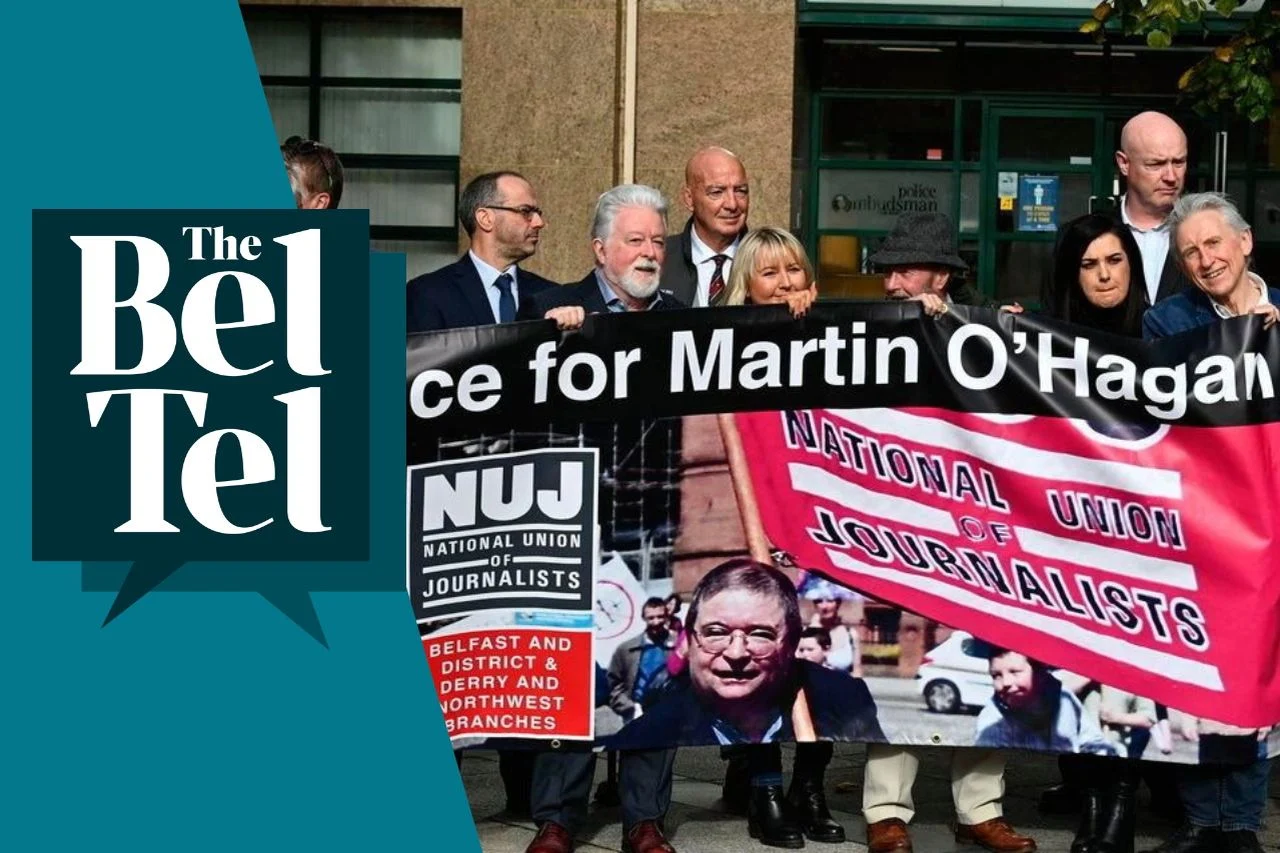
Unresolved LVF Assassination of Martin O’Hagan Highlights Enduring Threats to Press Freedom in Northern Ireland
December 31, 2025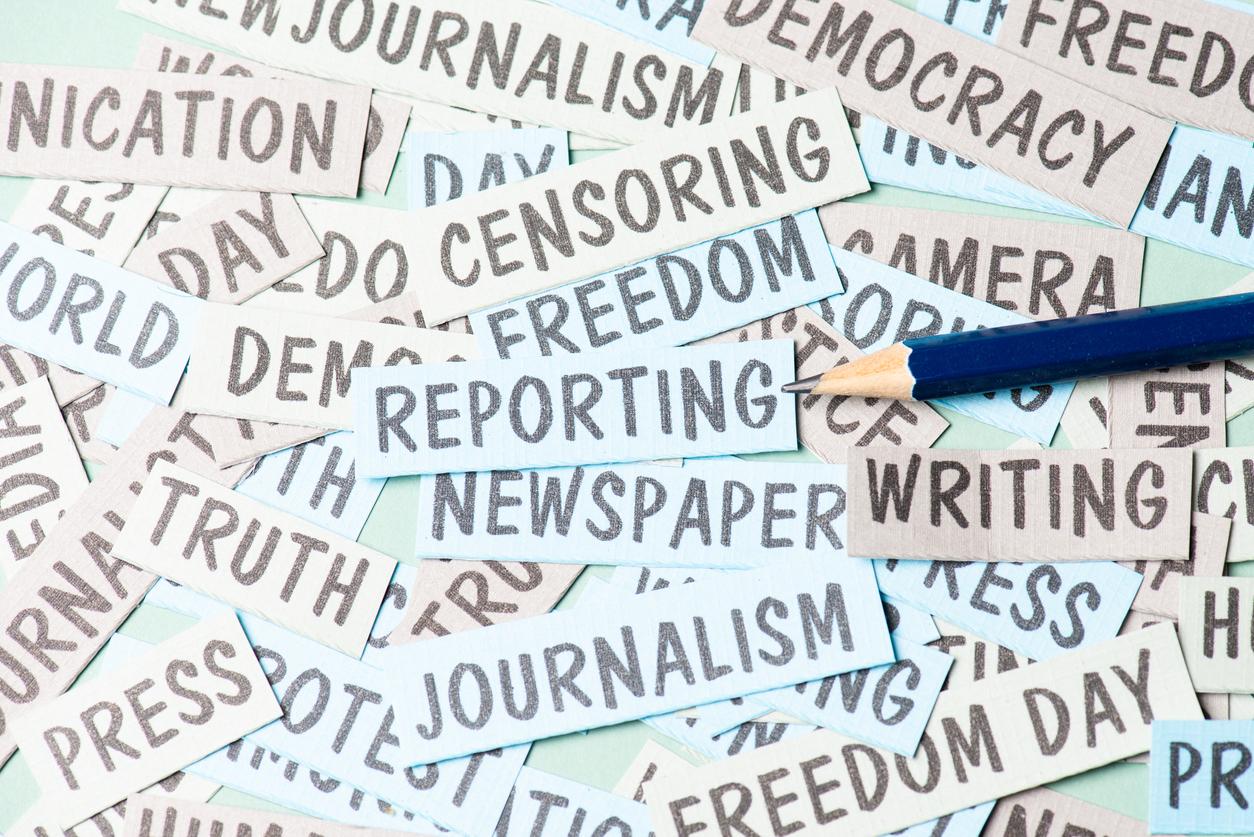
In the contemporary media landscape, the sheer volume of information channels has never been greater, yet global press freedom is eroding markedly, creating a paradox in the role and impact of journalism. Despite an unprecedented proliferation of media outlets driven by digital platforms, social networks, and mobile technologies, the quality, independence, and freedom of journalistic reporting are under increasing threat from political constraints, economic pressures, and structural barriers. This trend reflects a broader global reality in which more media does not equate to greater freedom or reliability of information.
A core argument in this analysis emphasizes that the contemporary media ecosystem—though vast in scale—often fails to fulfil the democratic functions traditionally associated with journalism. In many countries, governments and powerful actors exert heightened control over information, utilising legislation, censorship, legal intimidation, and economic leverage to constrain independent reporting. These pressures manifest through restrictions on news gathering, harassment of journalists, and the instrumentalisation of media for political ends, collectively undermining the press’s watchdog role.
The enduring relevance of journalism, however, lies in its capacity to expose power abuses, document human rights violations, and provide accountability even when operating under adverse conditions. Historical and contemporary examples illustrate that independent reporting remains critical for informing the public, shaping civic discourse, and facilitating democratic deliberation, particularly in contexts where authoritarian practices are intensifying. Independent journalism continues to serve as a fundamental anchor for democratic norms, providing citizens with verifiable information essential for participation in public life.
Empirical research outside this specific article supports the contention that media freedom is closely tied to democratic resilience and societal security: robust, independent media environments correlate with lower levels of state repression and greater public accountability. When media freedom deteriorates, other civil liberties often decline in tandem, as governments exploit restricted information flows to consolidate political power and suppress dissent.
Despite the pressures facing journalism, its enduring power is reflected in the continued efforts of journalists to pursue truth and provide context in environments hostile to free expression. In an era where misinformation and platform-driven distortions proliferate, the commitment of journalists to factual reporting, ethical standards, and public service sustains journalism’s role as an essential institution in democratic societies.
Reference –